
Why Your Roof Is Blistering
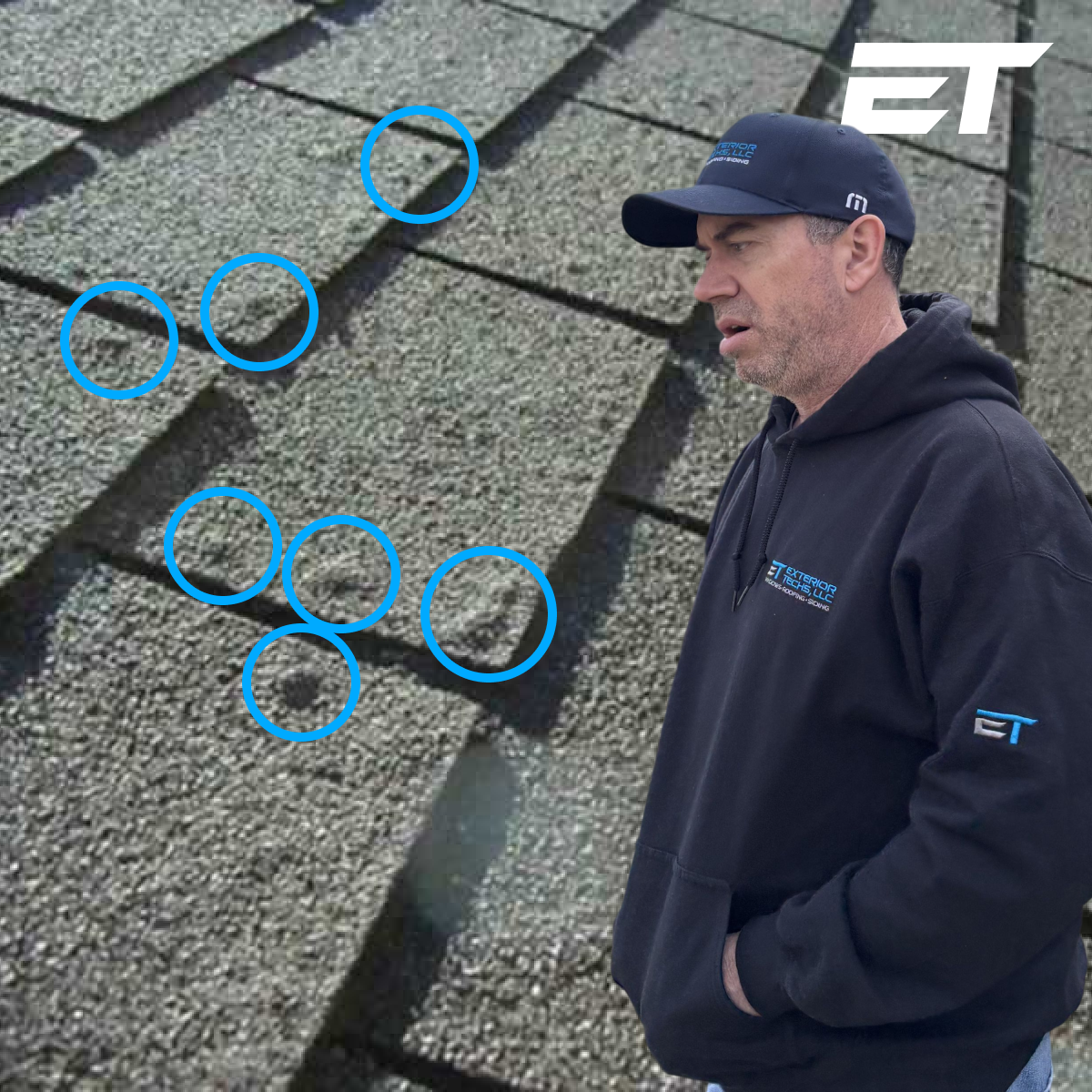
If you've ever noticed small bubbles or raised bumps on your shingles, you may have dismissed them as a minor cosmetic issue. But roof blistering is more than just an eyesore — it's an early warning sign that something is going wrong beneath the surface of your roof. Left unaddressed, blistering can accelerate shingle deterioration, lead to granule loss, and eventually result in leaks that are far more expensive to fix than the original problem.
What Is Roof Blistering?
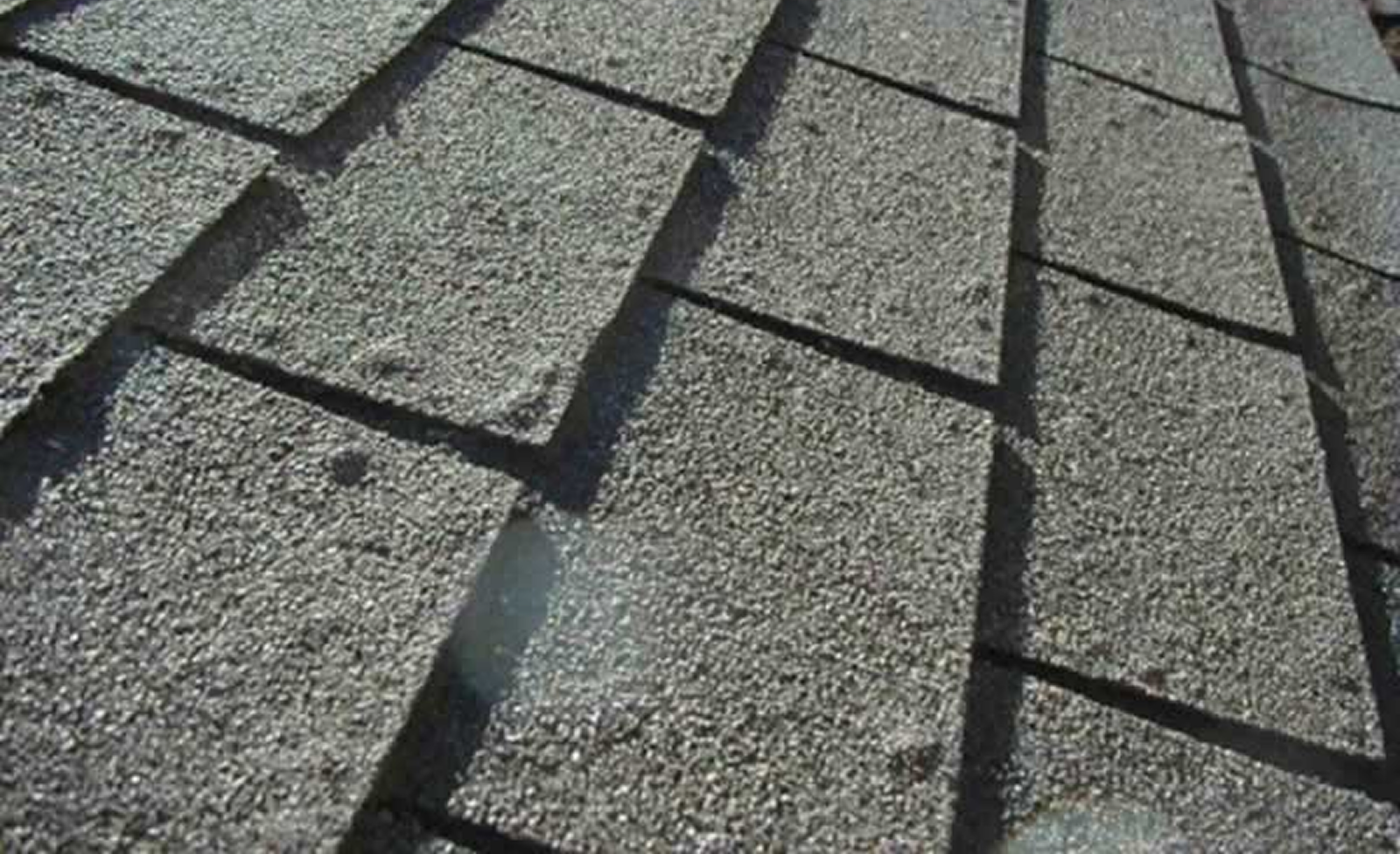
Roof blistering occurs when pockets of air or moisture become trapped within or between the layers of a shingle and then expand due to heat. As temperatures rise — especially during summer — those trapped pockets push outward, creating raised bubbles or bumps on the shingle surface.
The blisters themselves range in size from a small pea to a golf ball and can appear anywhere on the roof. When a blister pops or wears down, it exposes the raw asphalt beneath the protective granule layer. That exposed asphalt is now vulnerable to UV rays, moisture, and further deterioration — a problem that compounds quickly in hot climates.
What Causes Roof Blistering?
Understanding the root cause, helps you take the right preventive steps. The most common culprits include:
1. Poor Attic Ventilation
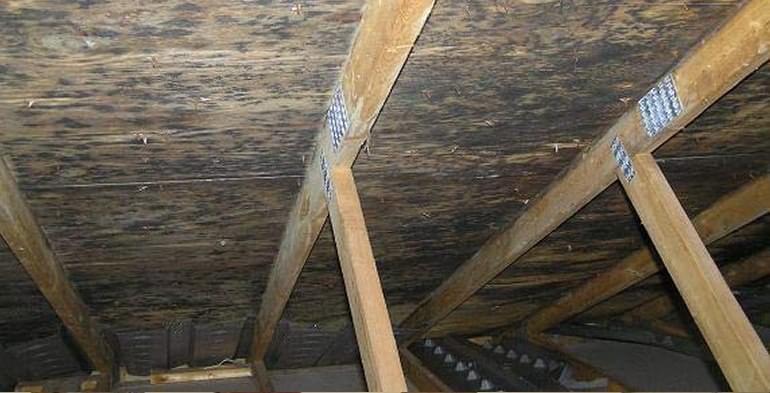
This is the leading cause of roof blistering, and it's entirely preventable. When your attic lacks adequate ventilation, heat has nowhere to escape. Attic temperatures in poorly ventilated homes can soar past 150°F during summer — and that extreme, trapped heat radiates directly into the underside of your roof deck and shingles. Over time, that sustained heat causes the volatile compounds within the asphalt to vaporize, forming the gas pockets that push up into blisters.
2. Moisture Trapped During Manufacturing or Storage
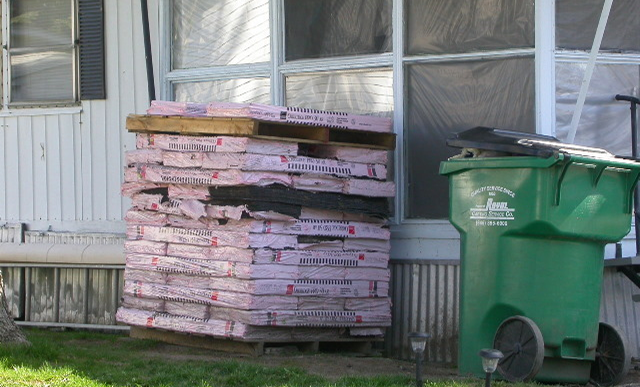
Sometimes blistering is the result of moisture that was present in the shingle itself before or during installation. If shingles were stored improperly — exposed to humidity or rain before being laid — that moisture gets sealed in when they're installed. Once the sun heats the roof, that trapped moisture expands and has nowhere to go but up.
3. Improper Installation
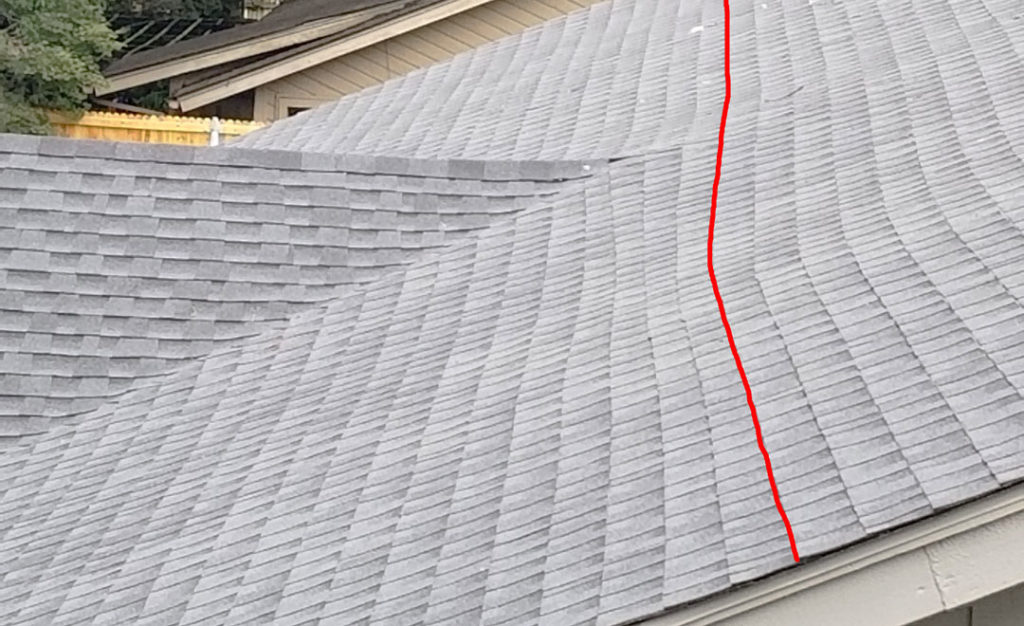
Blistering can also result from installation errors. If shingles are nailed too high, if layers aren't aligned properly, or if adequate adhesive strips don't seal correctly, small air gaps can form between layers. Those gaps become the breeding ground for blisters once heat enters the equation.
4. Low-Quality or Incompatible Roofing Materials
Not all shingles are created equal. Lower-quality materials with higher volatile compound content are more prone to off-gassing under heat, which leads to blistering. Using mismatched or incompatible underlayments can also create conditions where air and moisture become trapped between layers.
5. Roof-Over Installations
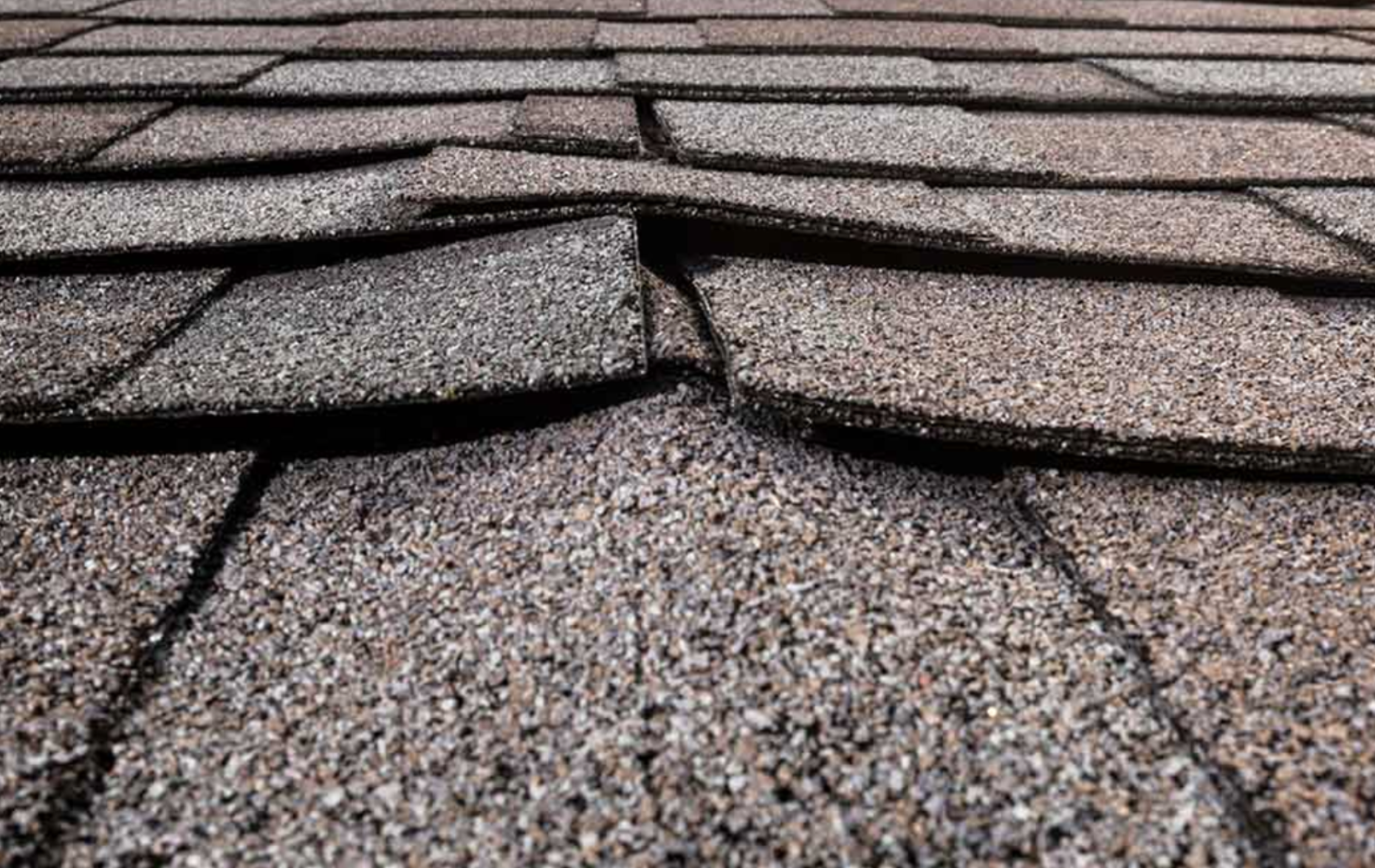
In some cases, new shingles are installed directly over an existing layer of old shingles — a practice known as a "roof-over." While this can save on upfront labor costs, it significantly increases the risk of blistering because air and moisture from the old shingles have no way to escape once the new layer is added on top.
How to Spot Roof Blistering
Blistering isn't always easy to see from the ground, especially in its early stages. Here are some signs to look for:
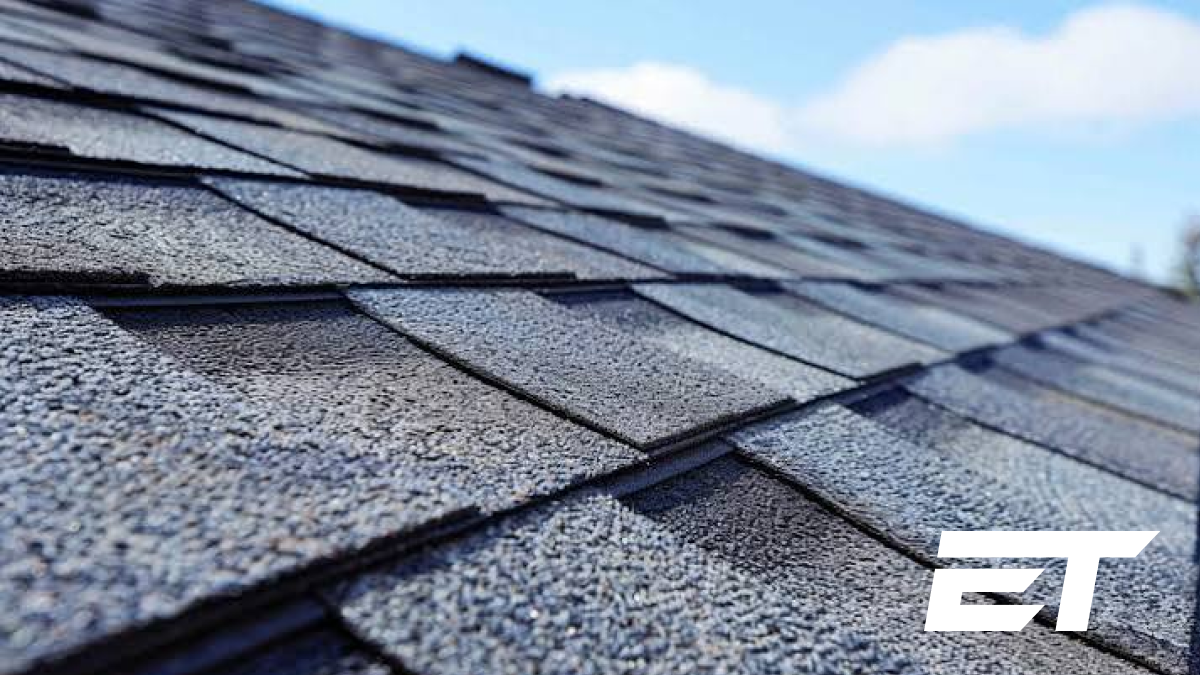
- Raised bumps or bubbles on the surface of your shingles
- Missing or thin patches of granules where a blister has worn through
- Dark or exposed asphalt spots on otherwise granule-covered shingles
- Shingles that look uneven or wavy across sections of the roof
If you notice any of these signs — particularly after a hot summer or a recent storm — it's time to get a professional set of eyes on your roof. What looks like a surface-level issue can mask deeper damage to the shingle's protective layers.
Not sure if your roof has blistering damage? Exterior Techs offers free inspections with no obligations.
How to Prevent Roof Blistering
The encouraging news is that most blistering is preventable. Here's how to protect your roof before the damage starts.
Invest in Proper Attic Ventilation
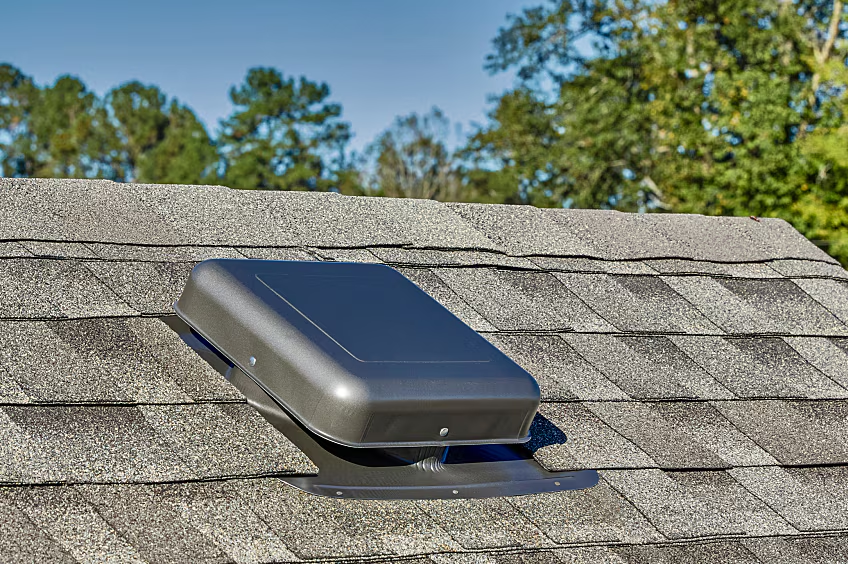
Since poor ventilation is the number one cause of blistering, this is your most powerful prevention tool. A well-designed ventilation system — typically a combination of ridge vents and soffit vents — keeps air circulating through the attic and prevents heat from building up to destructive levels. If your attic runs hot in the summer, ventilation should be your first conversation with a roofing professional.
Choose High-Quality Shingles
When it's time to replace your roof, don't make the decision on price alone. Higher-quality shingles are formulated with fewer volatile compounds, making them far less susceptible to blistering under heat. Ask your contractor about shingles with strong heat-resistance ratings — it's an investment that pays off over the life of your roof.
Work With an Experienced, Reputable Contractor
Proper installation is everything. A skilled roofing crew will store and handle materials correctly, nail shingles at the right placement, ensure adhesive strips are properly seated, and make sure the entire roofing system — underlayment, decking, ventilation — works together as it should. Cutting corners during installation creates problems that show up years later, often just as your warranty is expiring.
Schedule Regular Roof Inspections
If your roof is 10 years old or older, schedule annual inspections—ideally in spring, before the summer heat arrives—to allow a professional to catch early-stage blistering before it progresses. Identifying and addressing a few problem shingles early is dramatically cheaper than dealing with widespread damage or a premature full replacement.
We Want to Help Protect Your Roof
With over two decades of experience in Virginia, we understand the effects that different seasons can have on your home. We take pride in our work, and we bring honest assessments, quality materials, and experienced craftsmanship to every project we take on.
Whether you've spotted something suspicious on your shingles or just want peace of mind heading into summer, our team is ready to help.
Get A Free Quote!
~2 minute response times.

More Exterior Home Improvement Tips
Written with 20 years of hands on experience in Virginia.

Why Local Homeowners Trust Exterior Techs
From Richmond to NoVa we've got your neighbors protected.