How To Pick The Perfect Siding For Your Home
Your home’s siding is more than just a "pretty face." It is the first line of defense against the elements, a critical layer of insulation, and the primary driver of your property's resale value. Choosing the right material isn't just about picking a color you like; it’s a strategic decision that involves balancing aesthetics, local climate, and long-term maintenance.
At Exterior Techs, we’ve seen how the right choice can transform a house into a neighborhood icon, while the wrong choice can lead to premature rot and skyrocketing energy bills. Here is your definitive guide to navigating the world of exterior siding.
1. Consider Your Environment: Location and Seasons
Before looking at swatches, look at your backyard. Your geographical location is the most significant factor in how your siding will age.
The Impact of Seasons
- Freeze-Thaw Cycles: In regions with harsh winters and fluctuating spring temperatures, siding must be able to expand and contract without cracking. Rigid materials like certain low-grade plastics or poorly installed masonry can struggle here.
- Humidity and Rain: If you live in a damp or humid climate, moisture resistance should be your top priority. While traditional wood offers natural beauty, it is highly susceptible to rot and mold when exposed to excess moisture.
- Seasonal Sun Exposure: East Coast homes experience a wide range of weather conditions, including hot, sunny summers and fluctuating seasonal temperatures. Lower-quality vinyl and paint finishes can fade, crack, or become brittle over time when exposed to prolonged UV rays and changing weather conditions.
Regional Specifics
- Coastal Areas: Salt air is incredibly corrosive. You’ll want materials like fiber cement or high-quality vinyl that won’t "pit" or corrode like some metals might.
- Fire-Prone Zones: In the Western U.S. or wooded areas, fire resistance is often a legal requirement or a major insurance benefit. Fiber cement and metal siding offer superior protection compared to wood or vinyl.
2. Comparing the Top Siding Materials
Every material has its "superpower." Understanding these will help you narrow down your search based on your specific needs.
Fiber Cement (The All-Rounder)
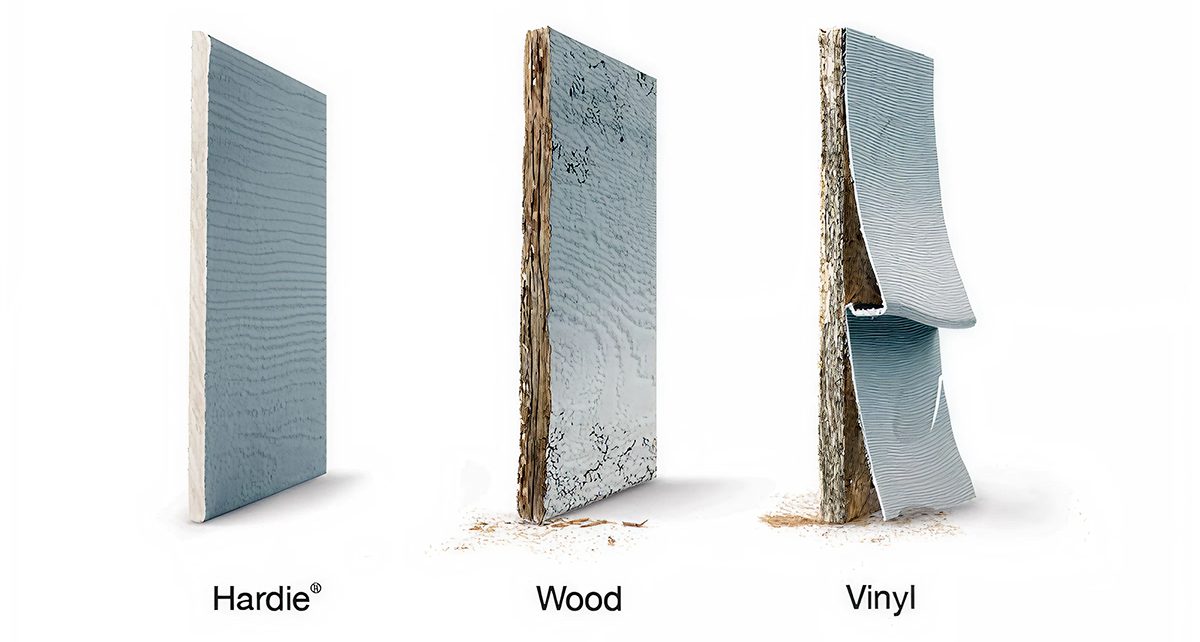
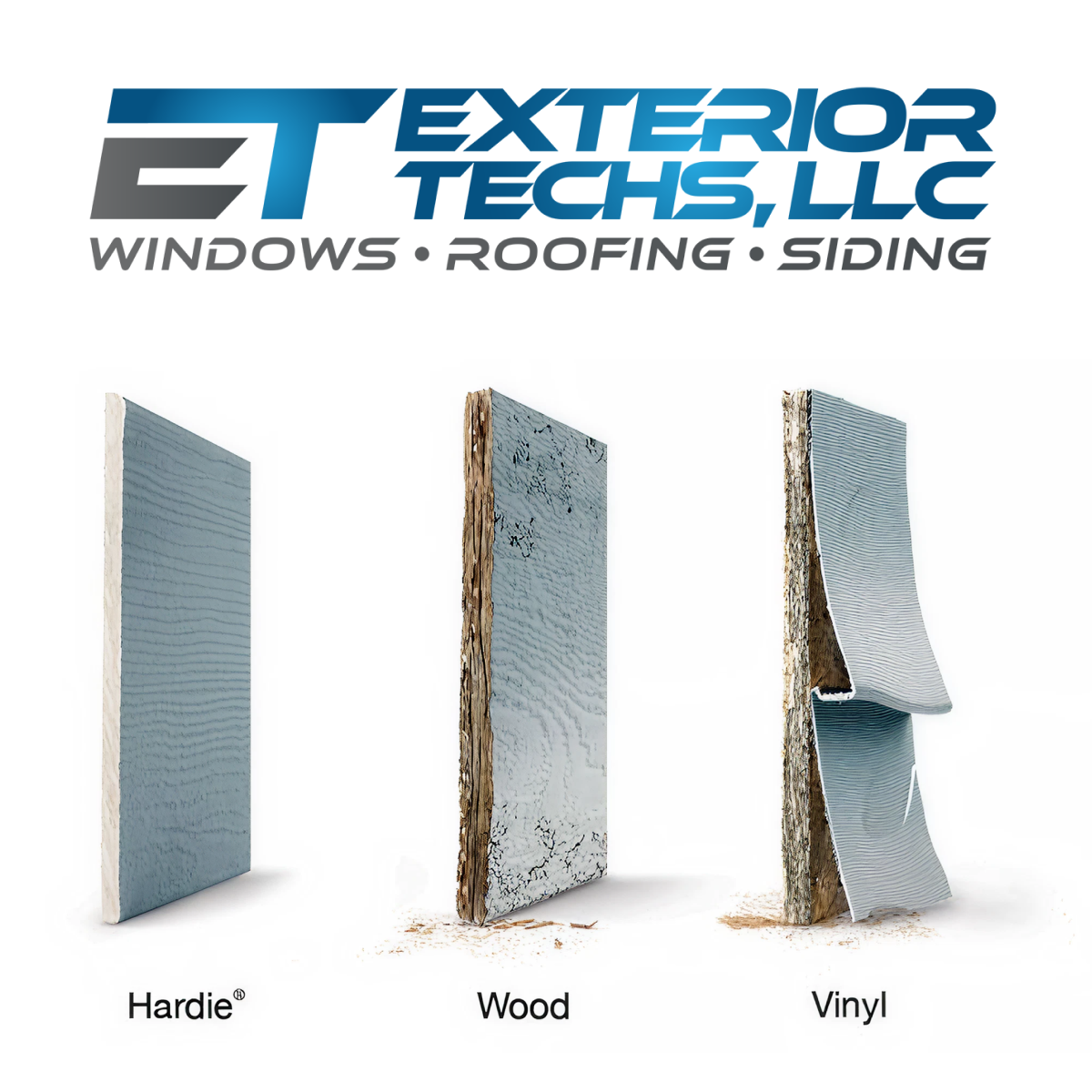
Fiber cement (often known by the brand James Hardie) is a composite material composed of Portland cement, sand, water, and cellulose fibers (wood pulp)
- Pros: It mimics the look of wood perfectly but is rot-resistant, fire-rated, and termite-proof. It holds paint exceptionally well.
- Cons: It is heavy and requires professional installation. It’s more expensive than vinyl but cheaper than natural materials.
Vinyl Siding (The Budget-Friendly Classic)
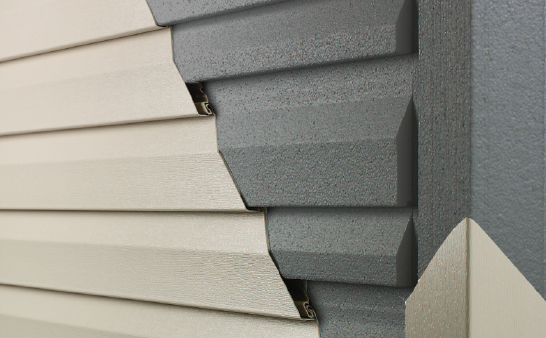
Vinyl has come a long way since the 1970s. Modern "insulated vinyl" provides much better energy efficiency.
- Pros: Extremely low maintenance. You never need to paint it—just a power wash once a year will do. It’s the most cost-effective option for large homes.
- Cons: It can crack under extreme impact (like hail) and, if not installed correctly, can trap moisture behind the panels.
Natural Wood (The Aesthetic Gold Standard)
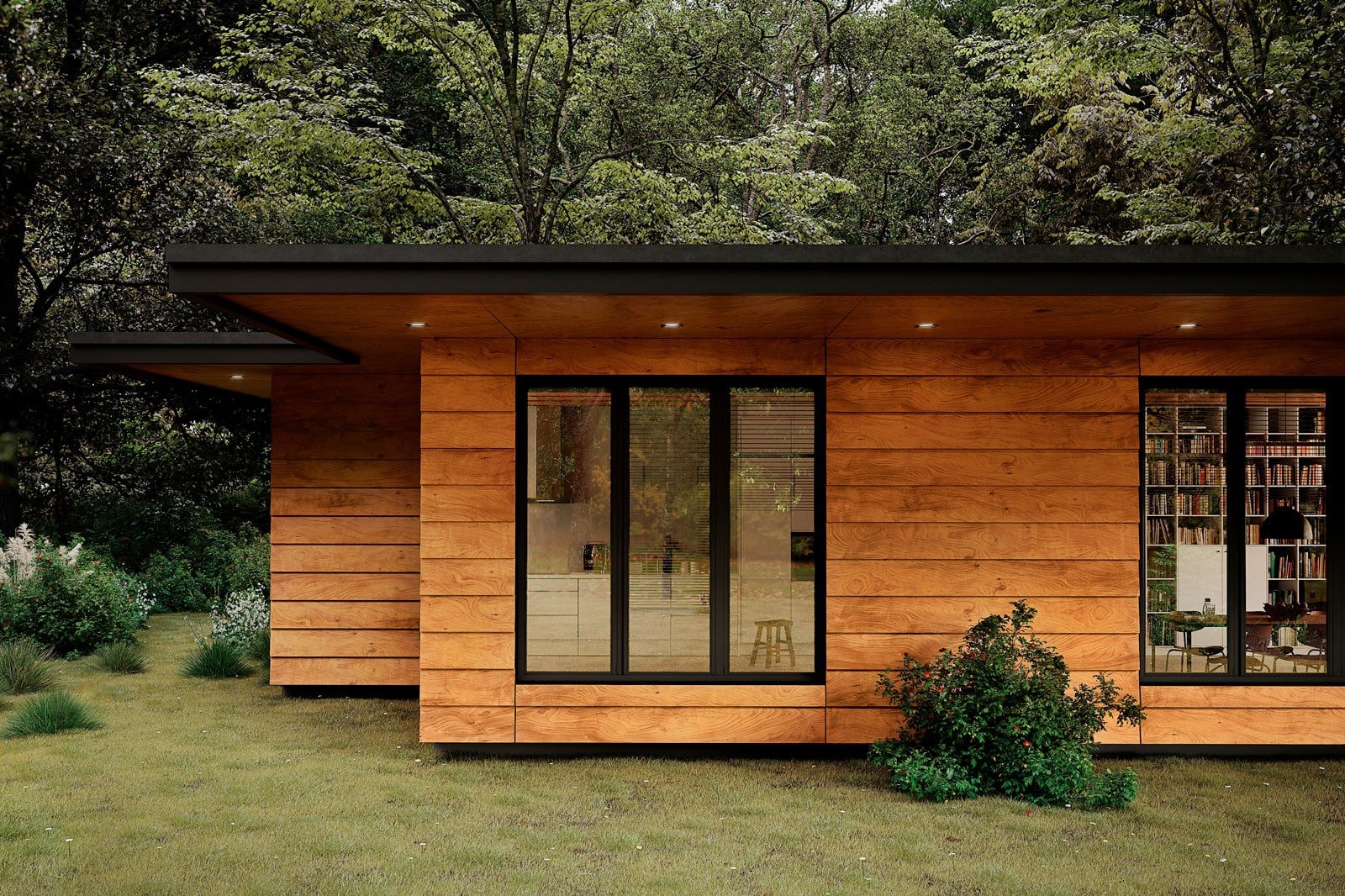
Cedar, redwood, and pine offer a timeless, high-end look that artificial materials try to emulate.
- Pros: Unmatched beauty and "breathability." It’s a renewable resource and can be stained in any shade.
- Cons: High maintenance. You must restain or repaint every 3–7 years to prevent rot and insect damage.
Metal Siding (The Modern Minimalist)
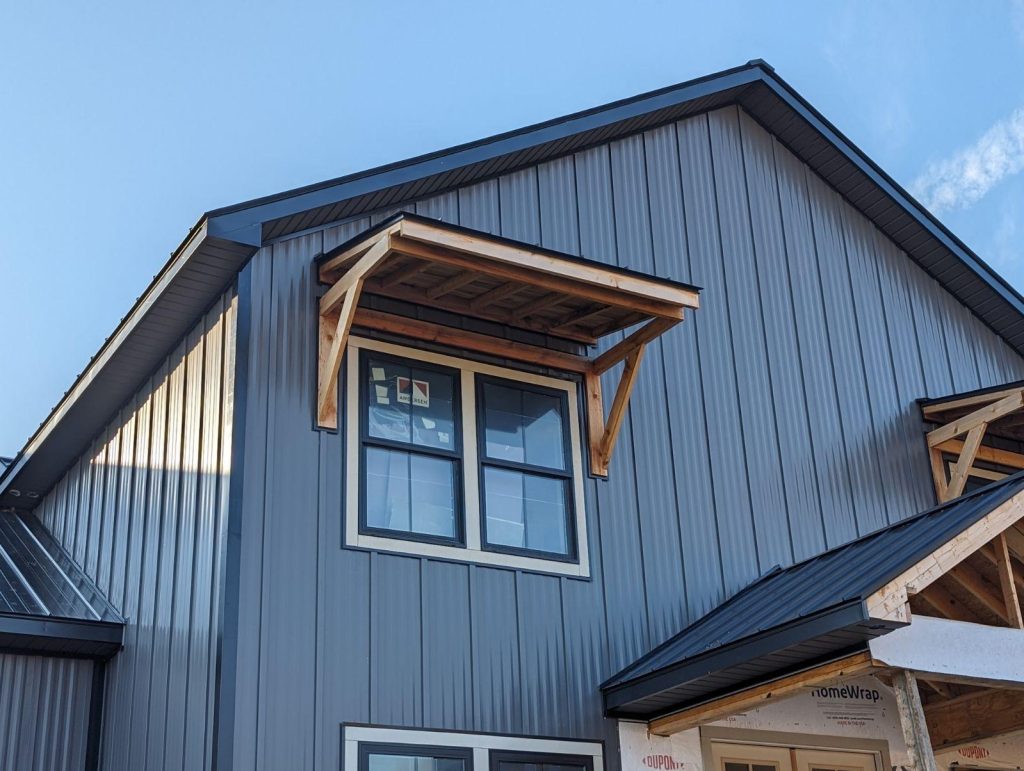
Steel and aluminum are surging in popularity for modern and industrial-style homes.
- Pros: Incredibly durable and 100% recyclable. It’s fire-resistant and won’t rot or crack.
- Cons: Aluminum can dent easily, and steel can be prone to rust if the coating is scratched (though modern galvanized coatings have mitigated this).
3. Key Factors to Evaluate
4. The Hidden Costs: Installation and Maintenance
The "sticker price" of the material is only half the story. To calculate the Total Cost of Ownership, you must factor in
- Installation Labor: Siding like stone veneer or fiber cement requires specialized tools and more man-hours than vinyl. Don't cut corners here; 90% of siding failures are due to poor installation, not bad materials.
- Painting/Staining: If you choose wood or unpainted fiber cement, budget for a professional paint job every decade.
- Insurance Premiums: Some fire-resistant materials (like metal or cement) may actually lower your homeowners' insurance premiums in certain states.
5. Why We Partner with James Hardie™, CertainTeed, and LP® siding.
Over 90% of homeowners choose either vinyl or fiber cement siding for their homes because of their durability, curb appeal, and long-term value. At Exterior Techs, we believe quality workmanship starts with quality materials. That’s why we partner with nationally trusted brands like James Hardie™, CertainTeed, and LP — manufacturers known for industry-leading performance, weather resistance, and lasting protection.
- James Hardie™: If you want premium, James Hardie is your best option. They are known for their fiber cement siding. So if you’re leaning that direction, James Hardie would be an excellent choice.
- CertainTeed: They are a leader in sustainable building. Their products are designed to work as a "system"—from the house wrap to the finishing trim—ensuring a cohesive, weather-tight seal.
- LP® SmartSide®: LP SmartSide siding is engineered for durability, beauty, and long-term performance. Built with advanced engineered wood technology, it offers the natural appearance of real wood while providing enhanced resistance to moisture, impact, termites, and harsh weather conditions. Its versatility and durability make it a popular choice for homeowners seeking both curb appeal and reliable protection.
Summary: Making the Right Choice
Choosing siding is a balance of Head (budget and durability) and Heart (style and color).
- For the budget-conscious: Go with a high-grade, insulated vinyl.
- For the "forever home": Invest in fiber cement for its longevity and fire resistance.
- For the design purist: Stick with natural cedar, but be ready for the upkeep.
At Exterior Techs, we recommend looking at your home as a long-term investment. While the upfront cost of premium siding might feel steep, the savings in maintenance and the boost in home equity usually pay for themselves within the first decade.
Pro Tip: Before you sign a contract, always ask for a physical sample of the siding. Colors look different in the natural light of your specific lot than they do in a showroom or on a computer screen.
Ready to give your home the protection and style it deserves? Your home’s exterior is its shield against the world—make sure it’s a strong one.
Get A Free Quote!
~2 minute response times.

More Exterior Home Improvement Tips
Written with 20 years of hands on experience in Virginia.

Why Local Homeowners Trust Exterior Techs
From Richmond to NoVa we've got your neighbors protected.