
7 Warning Signs Your Roof Is Holding Too Much Heat
Most homeowners don't think about their roof until something goes visibly wrong — a leak, a missing shingle, a water stain on the ceiling. But one of the most damaging things that can happen to a roof doesn't announce itself with a sudden failure. It happens slowly, quietly, over months and seasons, as heat builds up and breaks down your roofing system from the inside out.
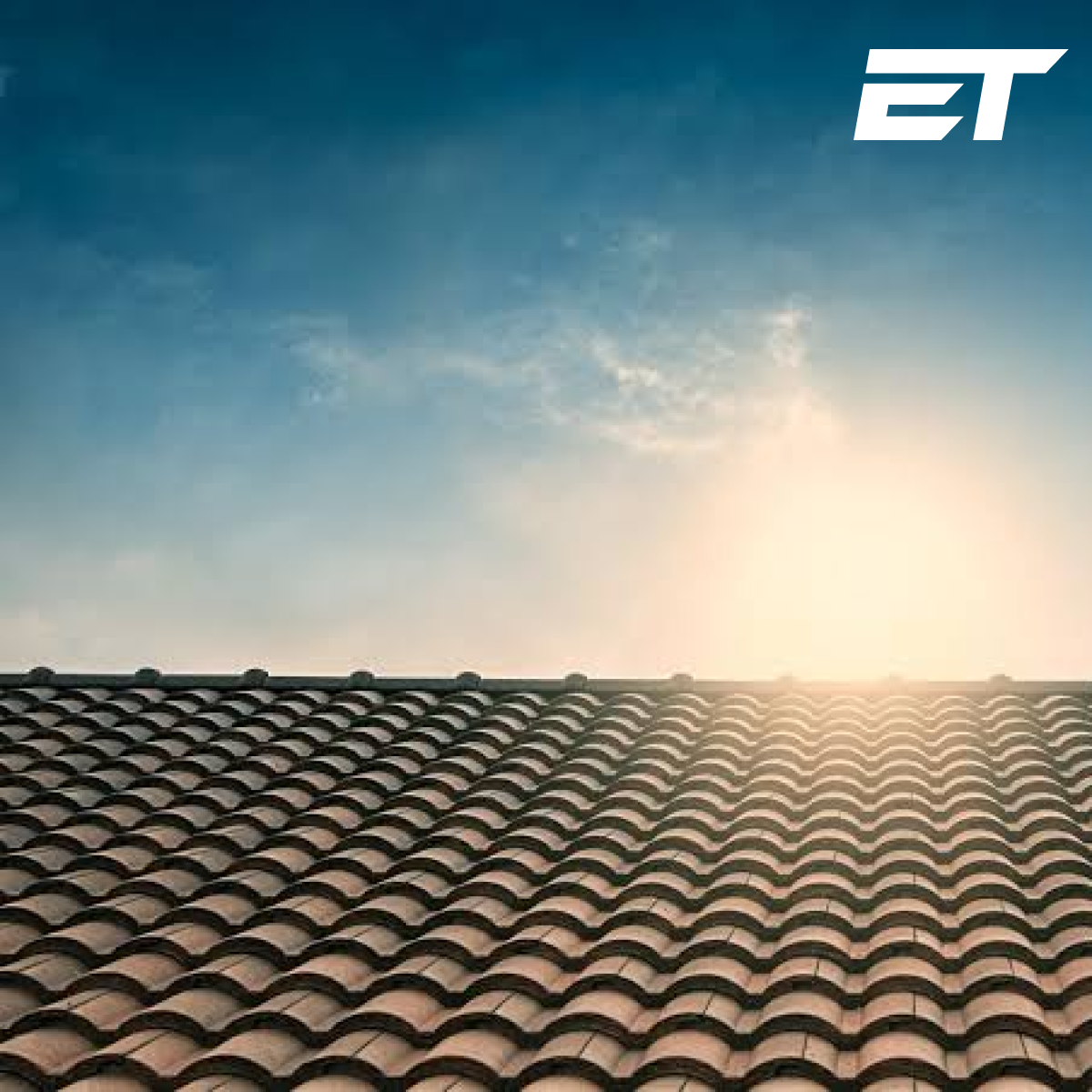
In Virginia, the conditions for this kind of damage are nearly perfect. Summer temperatures regularly push into the upper 90s, humidity amplifies heat retention, and direct sun exposure on a dark roof can push surface temperatures past 150°F. That's not just uncomfortable — it's actively destructive to roofing materials, attic structure, and your home's overall energy performance.
The good news is that your roof gives off warning signs before serious damage sets in. Here are seven to watch for.
1. Your Energy Bills Spike Every Summer — Without a Clear Explanation
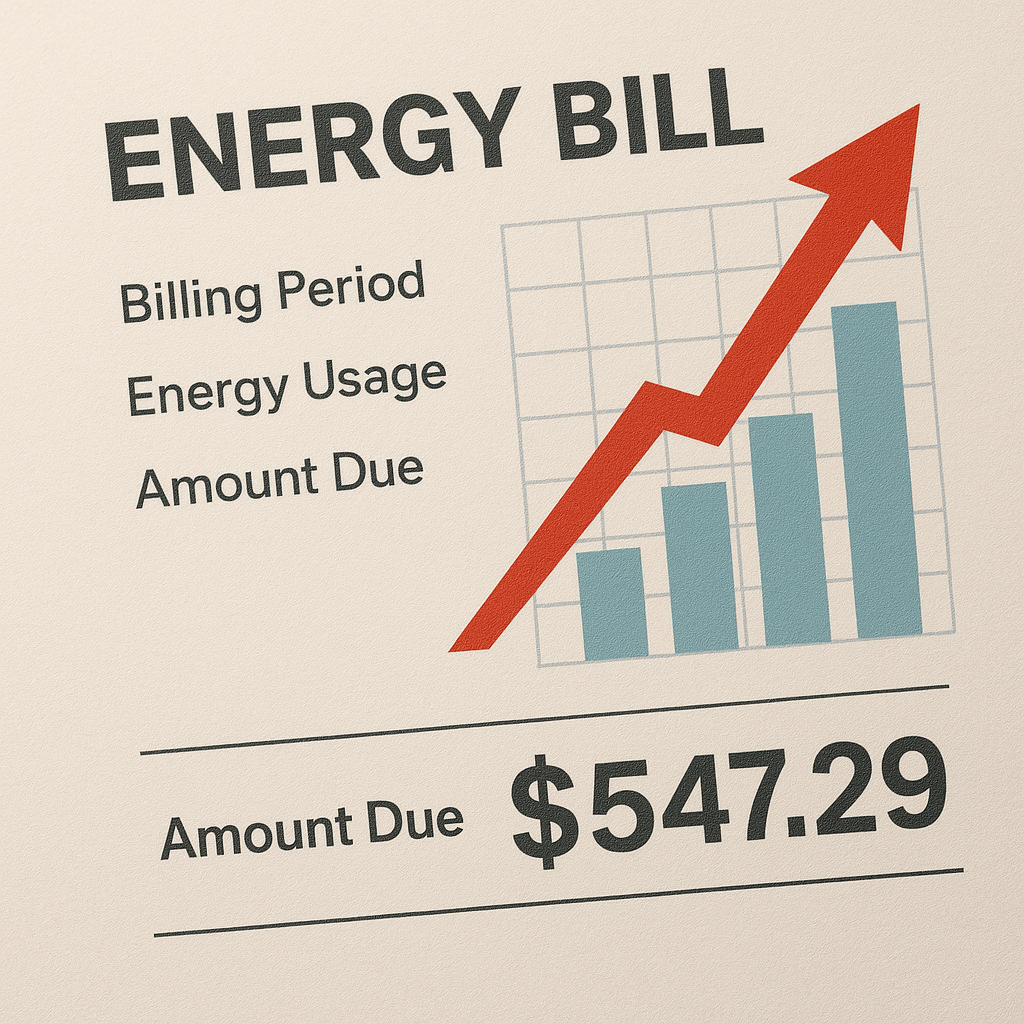
If your cooling costs jump significantly from May through September and your HVAC system, habits, and occupancy haven't changed, your roof is a prime suspect. A roof that's absorbing and retaining too much heat radiates that energy downward into your attic and eventually into your living spaces, forcing your air conditioner to work harder and run longer to maintain your set temperature.
Homeowners often attribute this to an aging HVAC system or poor insulation — and those factors can contribute — but the root cause is frequently a roofing system that's overwhelmed by heat it can't shed. If you've already serviced your HVAC and your energy bills are still climbing, get your roof and attic assessed.
2. Your Top Floor Is Noticeably Hotter Than the Rest of the House
Heat rises — but what many homeowners don't realize is that heat also radiates downward from an overheated attic into the rooms directly below. If your upper floor or the rooms nearest the roofline consistently run 5 to 10 degrees warmer than the rest of your home — even with the AC running — that's a strong indicator that your roof and attic aren't managing heat effectively.
This is particularly common in Virginia's older homes, where attic insulation may be compressed or insufficient, and where ventilation systems were designed for a climate that has measurably warmed over the past several decades.
3. You Can See Shingle Blistering or Bubbling
Blistering is one of the most direct visual indicators of a roof that's retaining too much heat. When volatile compounds within asphalt shingles vaporize under sustained high temperatures, they form gas pockets that push outward — creating raised bubbles or bumps on the shingle surface.
Once a blister pops or wears through, the raw asphalt beneath is exposed to UV rays and moisture, accelerating deterioration significantly. Widespread blistering across multiple roof sections tells you that heat is building up consistently at levels the shingles weren't designed to sustain — often a sign of poor attic ventilation.
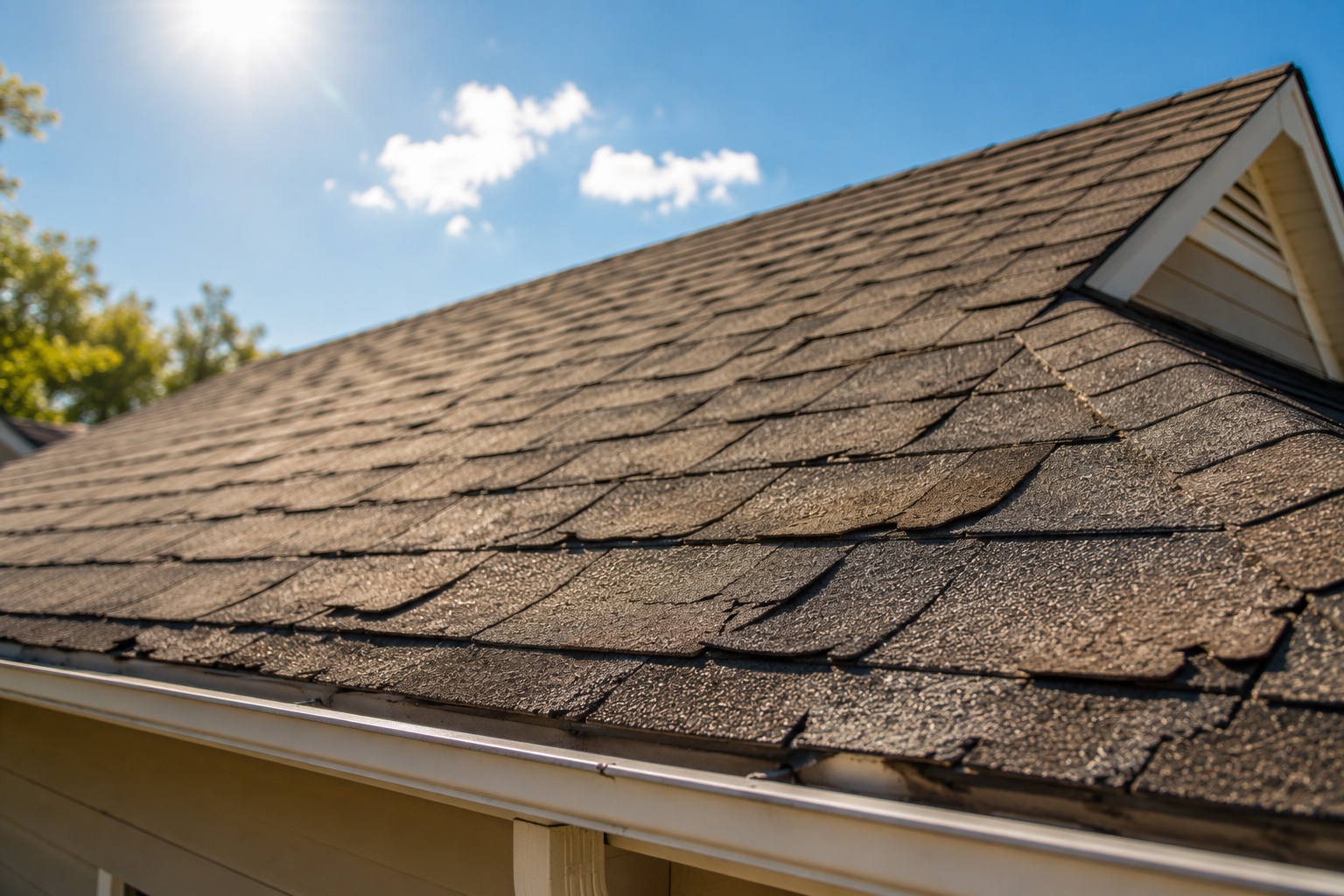
4. Your Shingles Are Curling at the Edges or Cupping
Curling and cupping are two distinct forms of shingle distortion, and both can result from excessive heat exposure.
Curling happens when the top layer of a shingle dries out and shrinks faster than the base layer below it, causing the edges to turn upward. Cupping is the inverse — the edges turn downward while the center buckles upward — often caused by moisture imbalance between the shingle layers, which is exacerbated by extreme heat cycling.
Both forms of distortion compromise the shingle's ability to shed water effectively and make the roof significantly more vulnerable to wind damage. In Virginia's summer storm season, curled or cupped shingles are a serious liability.
5. You're Losing Granules at an Accelerated Rate
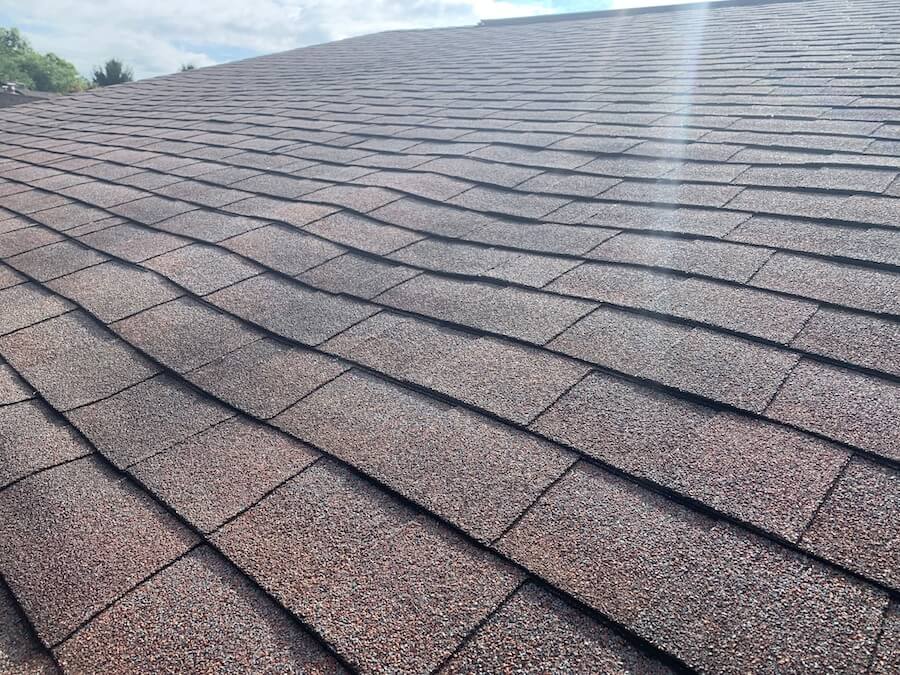
The granules embedded in the surface of asphalt shingles serve a critical function: they protect the asphalt layer from UV radiation and help regulate surface temperature. When a roof retains too much heat over extended periods, those granules loosen and shed at a faster-than-normal rate.
You'll often notice this as dark streaks or bare patches on your shingles, or as an accumulation of sandy, gritty material in your gutters and at the base of your downspouts. Some granule loss is normal over a roof's lifespan — but if you're seeing it heavily within the first 10 to 15 years of a roof's life, excessive heat retention is a likely contributor.
Granule loss that's been accelerated by heat means your shingles are aging faster than their rated lifespan suggests — and your timeline to replacement is shorter than you may expect.
6. You Notice Sagging or Soft Spots on the Roof Deck
This one goes beyond the shingles themselves. When excessive heat combines with poor ventilation and elevated attic moisture — a common combination in Virginia's humid summers — the roof decking (the plywood or OSB beneath your shingles) can begin to absorb moisture, soften, and eventually sag.
Soft spots on the roof deck are serious. They indicate structural degradation that can compromise the integrity of the entire roofing system and, in advanced cases, pose a safety risk. If you notice areas of the roof that appear to dip or feel spongy when walked on, call a roofing professional immediately — this isn't a wait-and-see situation.
7. Your Attic Smells Musty or Feels Oppressively Hot When You Enter
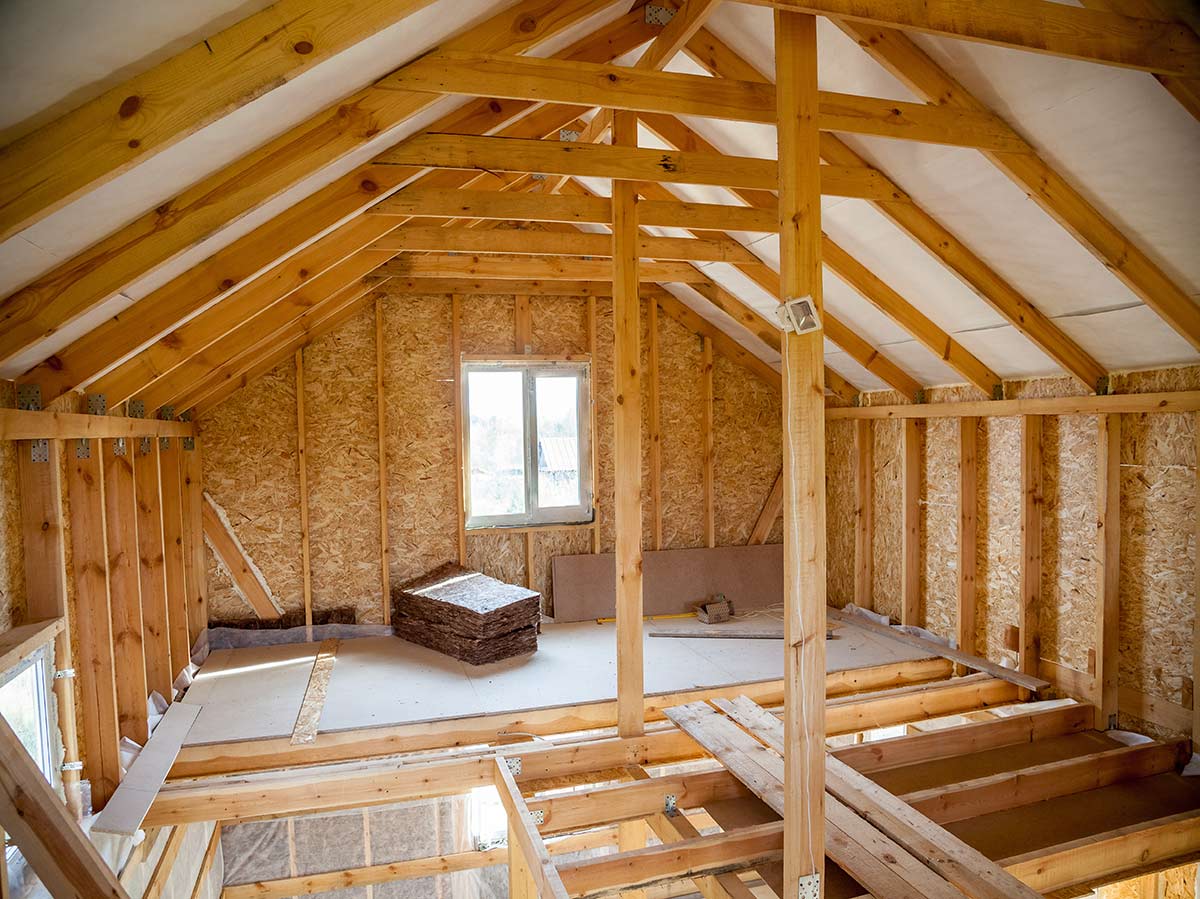
This one requires actually going up into your attic — but the information you'll get is invaluable. A healthy attic in summer will be warm, but not suffocating. If your attic feels like a furnace even in the morning hours, or if you notice a musty, damp odor despite dry weather, your ventilation system is failing to move air effectively.
Attic temperatures consistently exceeding 130–150°F in summer are a sign that heat is being trapped rather than exhausted. That trapped heat is not only degrading your shingles from below — it's creating the moisture conditions that lead to mold growth, insulation degradation, and eventually structural wood rot.
A simple attic thermometer, checked on a hot afternoon, can tell you a great deal about how well your roofing system is managing summer heat.
Don't Wait for the Damage to Become Obvious
The seven signs above share something in common: they all show up before a major failure, which means you still have time to address the underlying problem and protect your roof, your attic, and your home's comfort and energy efficiency.
At Exterior Techs, we assess roofs across Northern Virginia, Fredericksburg, and Richmond every day — and we know exactly what heat damage looks like at every stage. Whether you've spotted one of these warning signs or just want peace of mind heading into summer, we're here to help.
Concerned your roof might be retaining too much heat? Our team will assess your roofing system, attic ventilation, and insulation — for free, with no pressure and no commitment. Request your free estimate → or call (804) 848-TECH.
Your roof works hard every summer. Make sure it's not working against you.
Get A Free Quote!
~2 minute response times.

More Exterior Home Improvement Tips
Written with 20 years of hands on experience in Virginia.
Why Local Homeowners Trust Exterior Techs
From Richmond to NoVa we've got your neighbors protected.