
How to Choose the Perfect Siding Color for Your Home
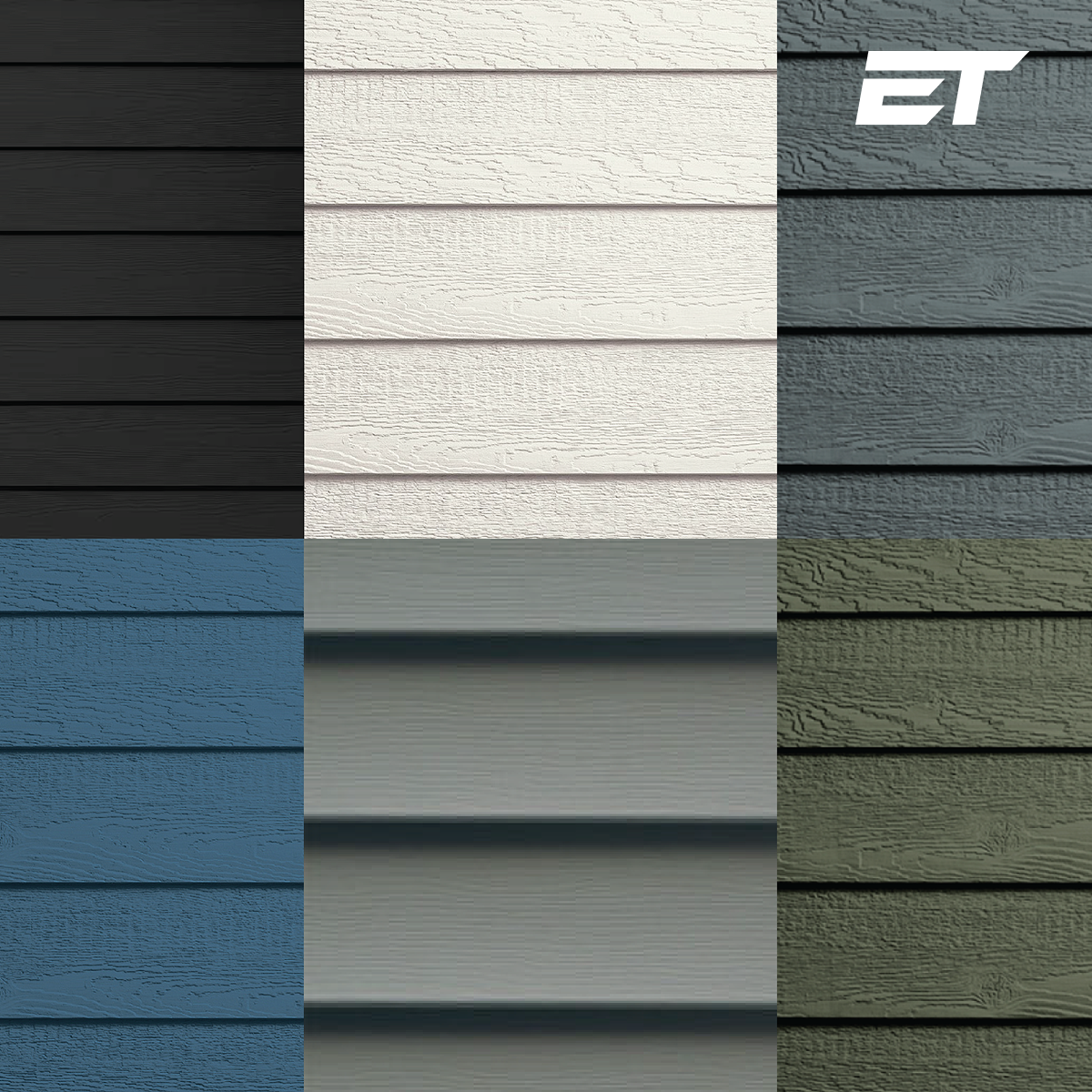
Choosing a siding color is about more than just picking your favorite shade from a swatch book. It’s an investment that defines your home’s personality, impacts its resale value, and dictates your neighborhood curb appeal for the next 15 to 20 years. No pressure, right?
Don’t worry. At Exterior Techs, we help homeowners navigate this choice every day. Here is our foolproof guide to choosing a siding color you’ll love seeing every time you pull into the driveway.
1. Start with Your Home’s Architectural Style
Every architectural style has a historical palette that naturally complements its lines and features. While you don’t have to stick strictly to tradition, understanding these roots is a great launching pad.
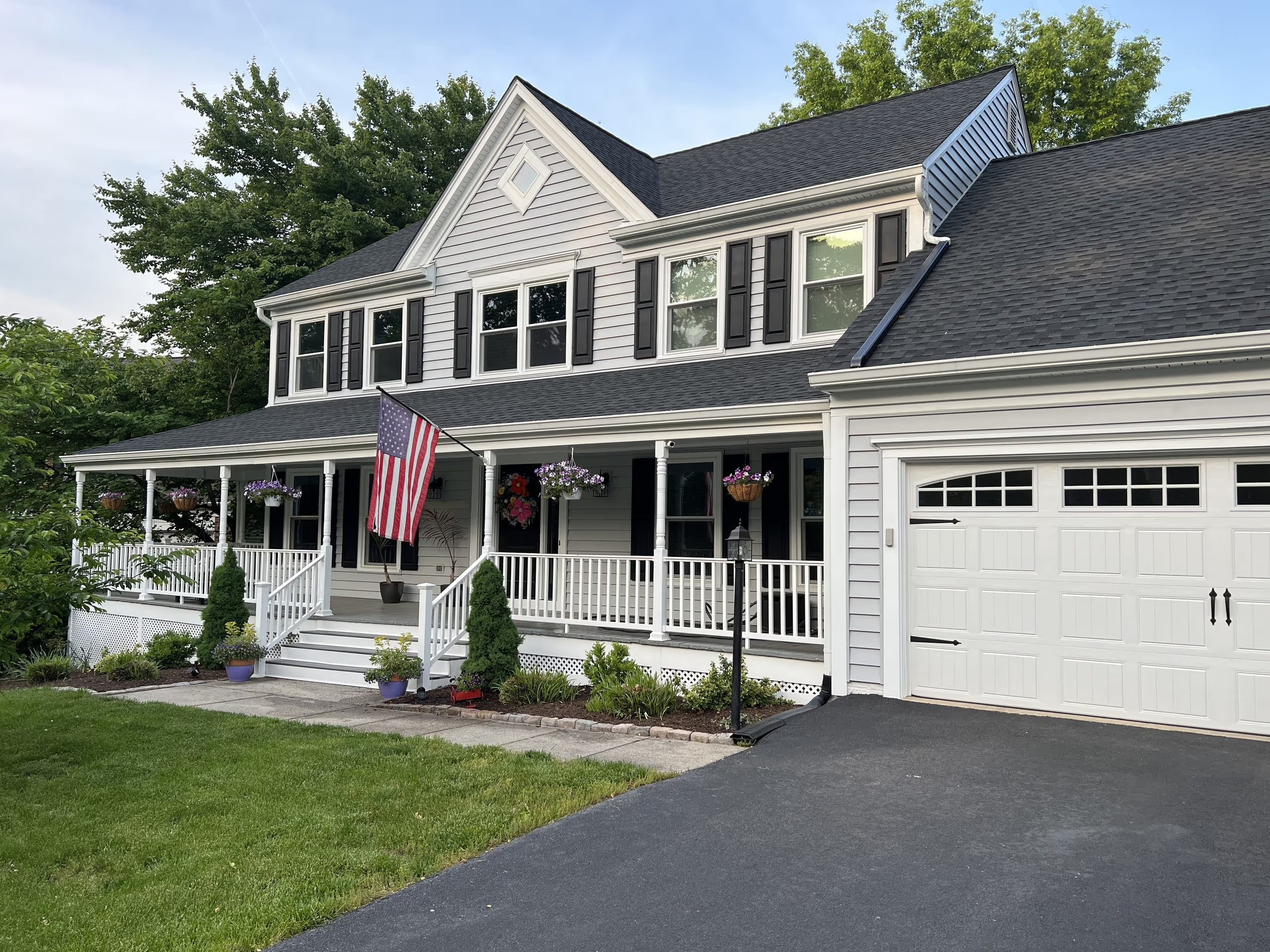
- Colonial and Cape Cod: These classic American styles look stunning in traditional, crisp whites, soft grays, and historic blues.
- Craftsman and Bungalow: These homes are all about organic beauty. Earthy tones like olive green, warm taupe, and deep woodland browns look right at home on these structures.
- Modern and Contemporary: Modern homes thrive on high contrast. Think deep charcoal grays, stark blacks, or stark whites paired with natural wood accents.
- Victorian: If you own a Victorian, you have a license to be bold. Rich plum, deep teal, and sunny yellow can highlight the intricate trim work these homes are famous for.
2. Take Cues from the Elements You Can’t Change
Unless you are planning a total down-to-the-studs exterior remodel, your home already has fixed colors. Your new siding needs to play nice with them. Take a close look at:
The Roof
Your roof represents about one-third of your home’s visual mass. If you have a dark gray or black roof, you’re in luck—almost any siding color will match. However, if you have a brown, red, or green-toned roof, you will need to select a warm-toned siding (like cream, beige, or warm gray) to avoid a jarring visual clash.
Stonework and Brick
If your home features a brick foundation, a stone accent wall, or a chimney, let those natural materials guide your palette. Look closely at the undertones of the stone or brick. Is the stone inherently cool and blue-gray, or is it warm with flecks of tan and rust? Choose a siding color that pulls from those subtle, organic hues.
3. Think About Size and Visual Illusion
Color isn’t just aesthetic; it’s an optical illusion. The shade you choose can change the perceived size and presence of your home.
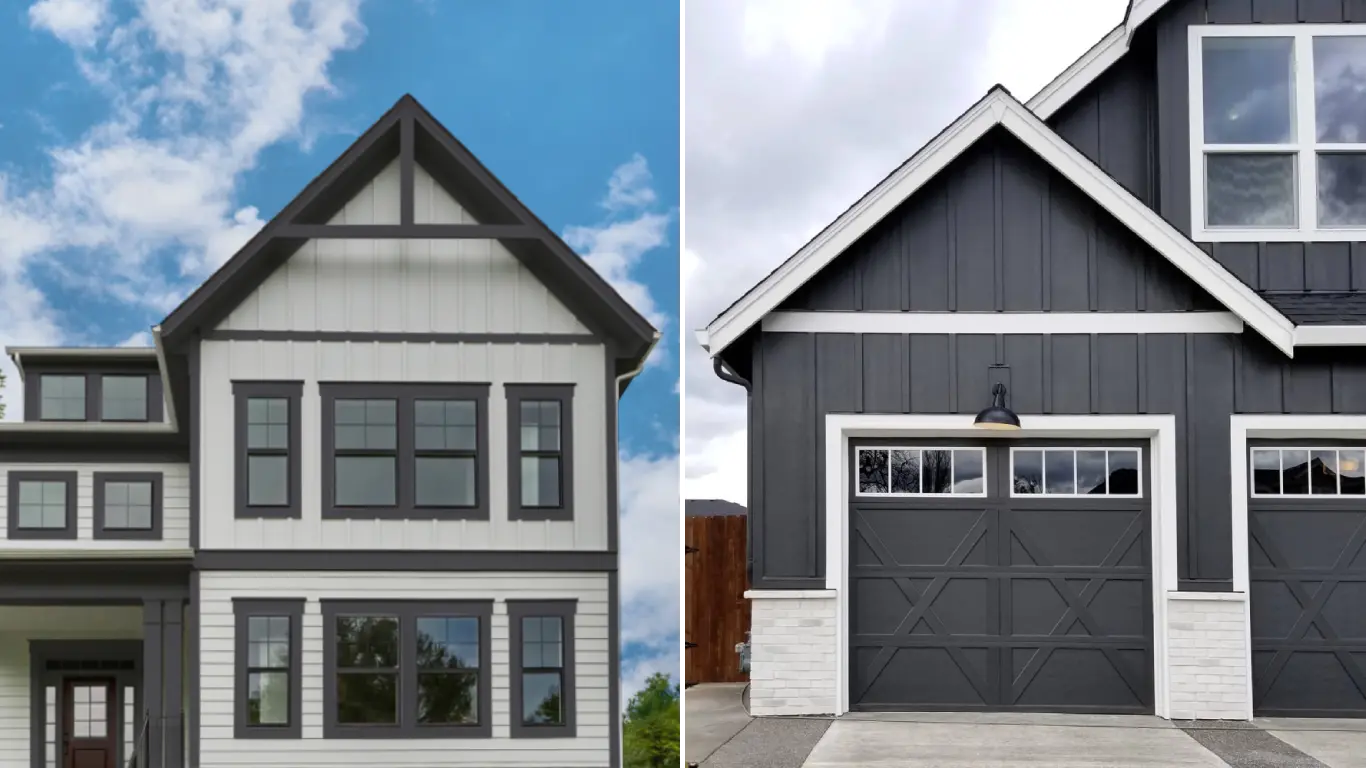
Pro Tip: If you have a massive, three-story home, painting it entirely in stark white can sometimes make it look overwhelmingly massive. Conversely, a tiny cottage painted entirely in dark charcoal might end up looking a bit like a shadow. Balance is key!
4. Don’t Forget the Neighborhood Context
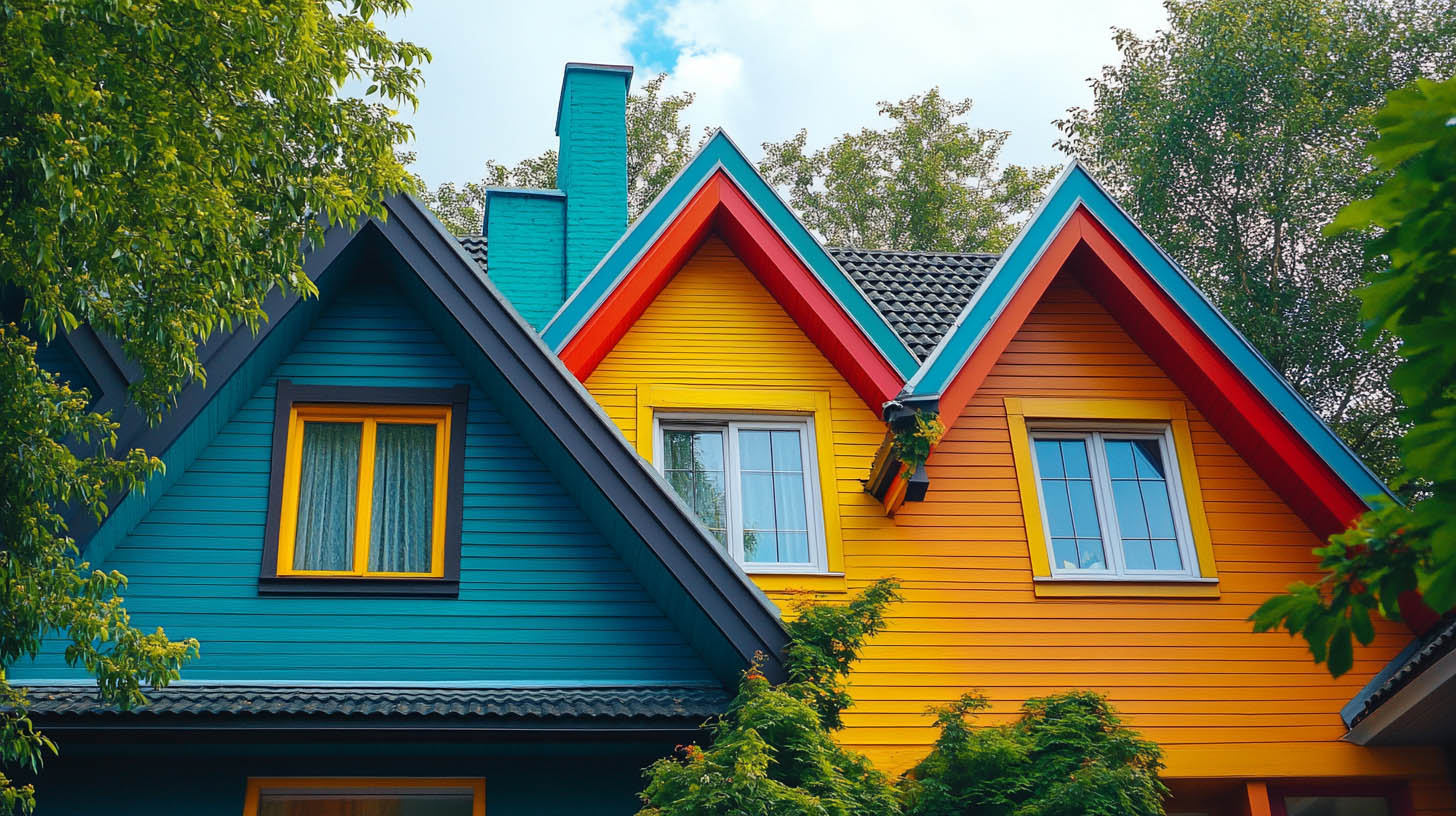
You want your home to stand out for its beauty, not because it sticks out like a sore thumb. Take a walk around your neighborhood and observe the surrounding houses.
You don’t want to copy your next-door neighbor exactly, but you also don’t want to paint your house bright turquoise if the rest of the street is a sea of neutral earth tones. Aim for a color that complements the overall vibe of your block while still maintaining its own unique flair.
5. The Golden Rule: The Three-Color Palette
A cohesive exterior design relies on a balanced palette. We recommend sticking to the time-tested 60-30-10 Rule:
- 60% Main Siding Color: This is the dominant color of your home.
- 30% Trim and Accent Color: Used for window casings, roof edges, soffits, and fascia. This should provide a clear contrast to your siding (e.g., crisp white trim against navy siding, or dark bronze trim against cream siding).
- 10% Pop of Color: Reserved strictly for your front door and shutters. This is where you can let your personality shine with a bold red, a vibrant yellow, or a deep hunter green.
6. Test Before You Commit
You don't have to choose a siding color based entirely on a tiny sample booklet inside a showroom. Lighting changes everything.
You should be able to ask your contractor to bring you some samples of the siding materials or swashes. Prop them up against different sides of your house. Look at them in the bright morning sun, the overcast afternoon, and under the porch lights at night if you need some space to decide. A color that looks like a beautiful slate gray at noon might look bright blue at 7:00 AM.
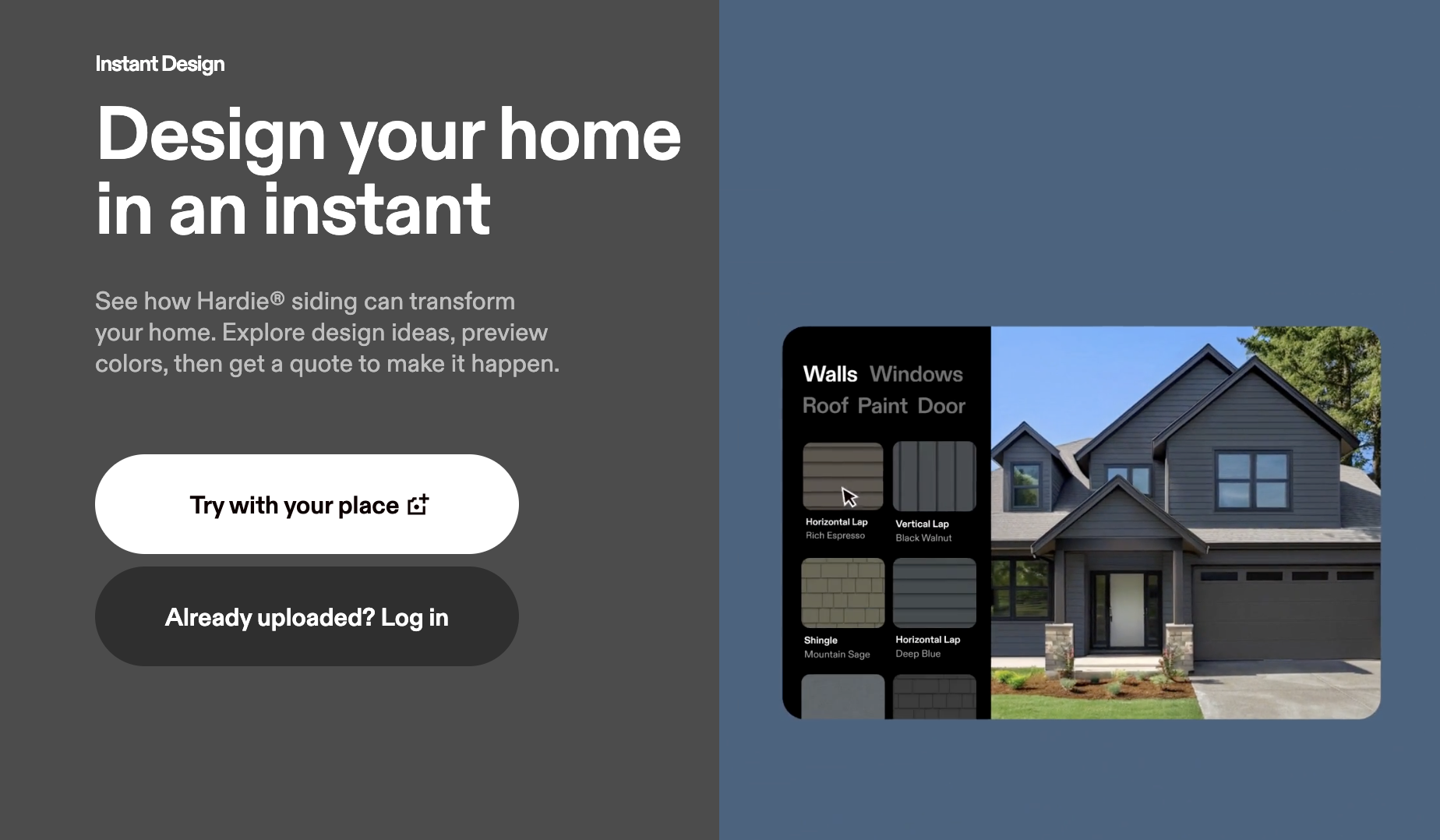
Pro Tip: James Hardie's Designer Tool offers and excellent tool for choosing the siding color on your home. Upload a photo of your home and let James Hardie do the rest!
Ready to Transform Your Home?
Choosing a siding color is a big decision, but you don’t have to make it alone. At Exterior Techs, we don't just install premium, weather-resistant siding—we help you design an exterior you’ll be proud of for decades.
Whether you're leaning toward a timeless classic or a bold modern statement, our team is here to guide you from consultation to the final nail. Contact Exterior Techs today to schedule your consultation and bring your dream home to life!
Get A Free Quote!
~2 minute response times.

More Exterior Home Improvement Tips
Written with 20 years of hands on experience in Virginia.


Why Local Homeowners Trust Exterior Techs
From Richmond to NoVa we've got your neighbors protected.