
Can You Replace Just One Side of Your House's Siding?
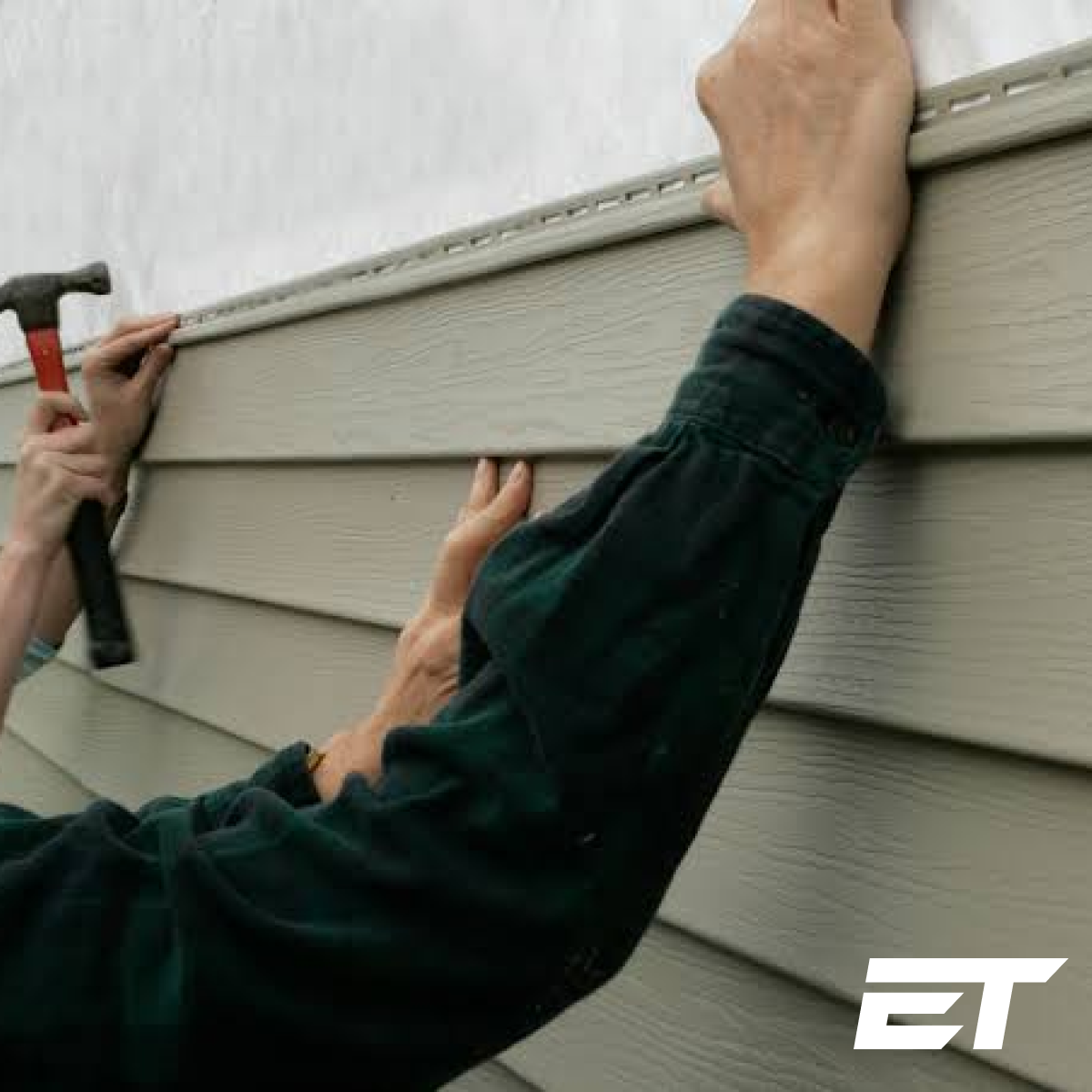
It's a question that comes up more often than you might think — and it makes complete sense from a budget perspective. Maybe one side of your home took the brunt of a storm. Maybe the north-facing wall has developed moisture damage or mold while the rest of the siding looks fine. Maybe you're planning a phased approach to a larger exterior project and want to tackle the worst section first.
Whatever the reason, the core question is the same: is it possible to replace siding on just one wall or one side of the house without replacing the rest? And if so, what are the tradeoffs?
The short answer is yes — it's possible. But there are several factors that determine whether it's the right call for your specific situation. Here's what to consider before making the decision.
When Replacing One Side of Siding Makes Sense
Storm or Impact Damage Isolated to One Area This is the most straightforward scenario for a partial siding replacement. If a hailstorm, falling branch, or other event caused damage concentrated on one wall or section of the home, replacing just that section is often both practical and financially sound — particularly if the rest of the siding is in good shape and relatively new.
In storm damage situations, your homeowner's insurance policy may cover partial replacement for the affected area. Your contractor can document the damage and work with your insurer to define the scope accurately.
.webp)
Age and Condition Are Uneven Not all sides of a home age at the same rate. South- and west-facing walls receive more direct sun exposure in Virginia and tend to fade, chalk, and deteriorate faster than north-facing walls. If one side of your home has clearly aged beyond its useful life while the others remain functional, a targeted partial replacement can extend the overall life of your exterior without the full cost of a whole-home project.
A Previous Addition or Repair Used Different Material Sometimes a section of siding was replaced in the past — after a repair, a room addition, or a previous storm — and the material or color doesn't match the rest of the house. Replacing that section to restore visual consistency is a legitimate and focused scope of work.
Budget Constraints Require a Phased Approach If a full replacement isn't in the budget right now but one section is genuinely failing, addressing that section immediately while planning the rest for a future phase is a reasonable strategy — with some important caveats we'll cover below.
The Challenge: Matching Existing Siding
This is the central complication with any partial siding replacement, and it's the one that most often catches homeowners off guard. Matching existing siding — in material, profile, color, and texture — is harder than it sounds, for a few reasons:
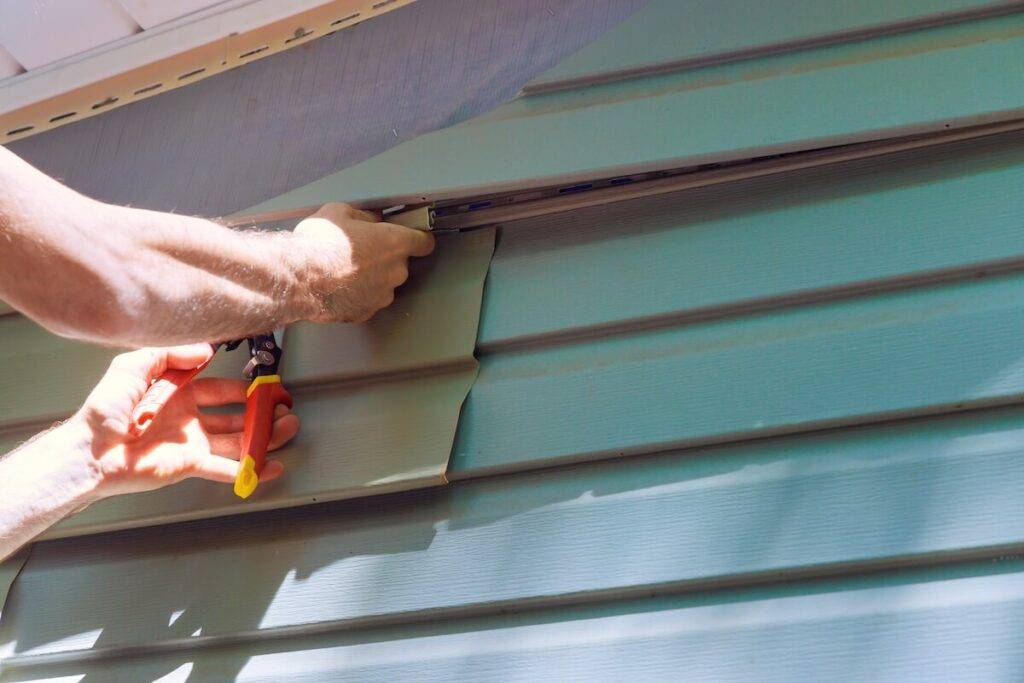
Discontinued products. Siding manufacturers regularly update their product lines. A profile or color that was widely available 10 or 15 years ago may no longer be in production. Even when the same product line exists, manufacturing variations over time can produce subtle differences in texture or sheen that are visible up close.
Weathering and fading. Even if you find an exact material and color match, new siding installed next to siding that has been exposed to Virginia's sun, humidity, and seasonal cycles for a decade will look noticeably different. New siding is brighter, more uniform, and more saturated in color than weathered siding — and that contrast can be stark, particularly on adjacent walls that share a visible corner.
Profile and exposure differences. If your existing siding is a specific profile — a particular lap width, Dutch lap detail, or panel thickness — finding an exact match in a new product requires careful research and sometimes isn't possible at all.
None of these challenges make partial replacement impossible, but they do mean the result may not be a seamless visual match — and that's a conversation worth having with your contractor before work begins, not after.
Material-Specific Considerations
Vinyl Siding Vinyl is the most commonly replaced material in partial projects, and it presents the greatest matching challenges. Vinyl colors fade unevenly and the manufacturing variations between production runs — even within the same product line — can create visible differences. If the existing vinyl is more than five to seven years old, a perfect match is unlikely.
That said, partial vinyl replacement is feasible when the damaged section is in a location that isn't visually prominent, or when you're willing to accept a near-match rather than an exact one.
James Hardie Fiber Cement Fiber cement is more forgiving in partial replacement scenarios for one key reason: it's painted, not extruded in color. If you can match the existing paint color accurately, new Hardie panels painted to match can blend more convincingly with existing panels than vinyl replacement typically allows. The profile and texture of Hardie products are also more consistent across production runs than vinyl, making material matching more reliable.
If your home has James Hardie siding, partial replacement is often a more viable and visually successful option than it would be with vinyl.
Wood and Engineered Wood Natural wood siding can be matched in profile relatively easily, but weathering differences between new and existing sections will be visible until the new wood weathers to match — a process that can take several seasons. Engineered wood products like LP SmartSide have similar considerations to fiber cement: profile matching is feasible, and paint matching is the key variable.
Premium Composites Composite siding products — particularly newer premium lines — can be harder to match in partial replacements because the product landscape changes more rapidly. If your existing composite siding is from a product line that's been updated or discontinued, you may find that no current product matches it adequately.
When a Full Replacement Makes More Financial Sense
There are situations where a partial replacement, while technically possible, isn't the most financially sensible approach:
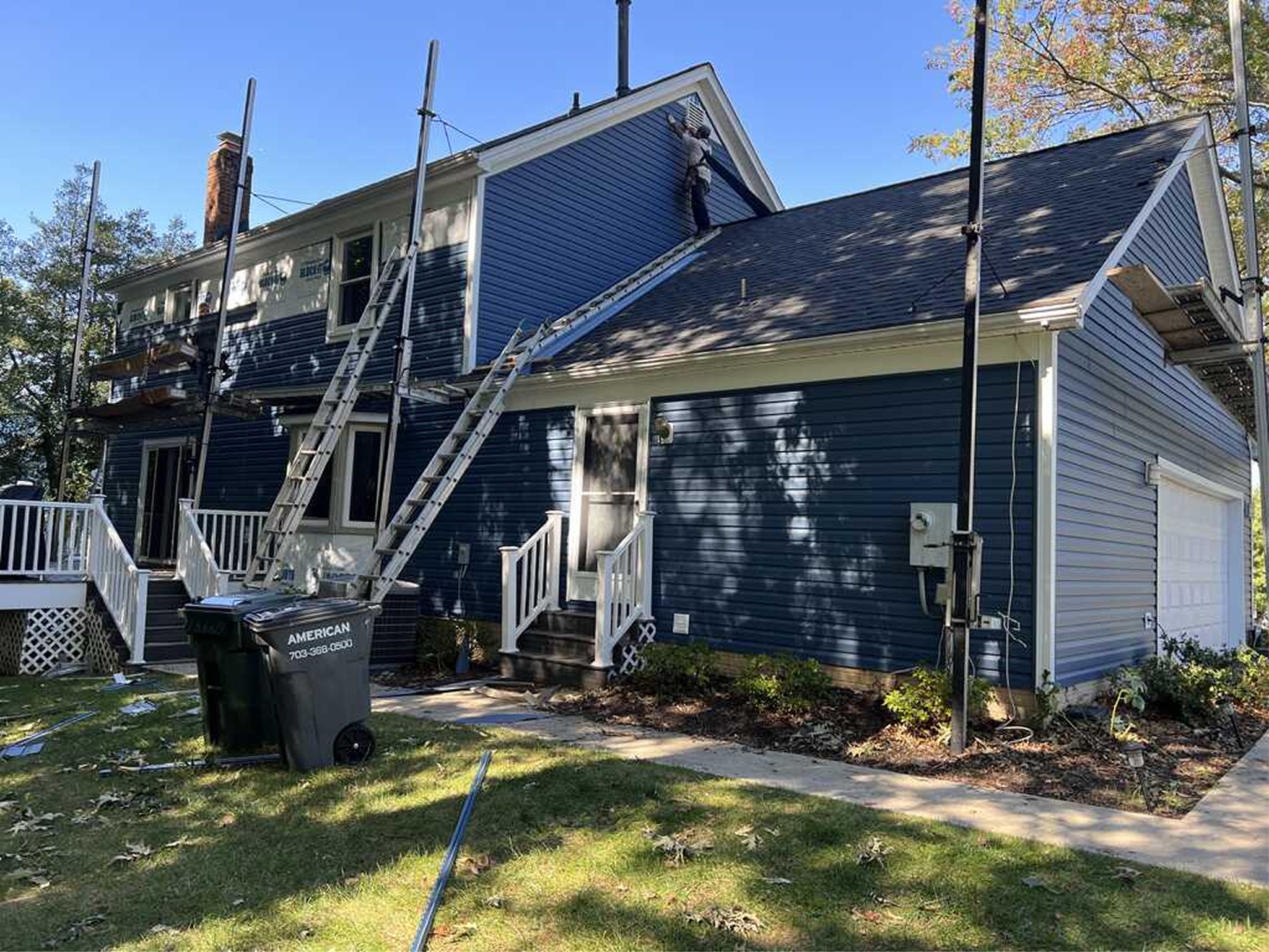
When the rest of the siding is within five years of needing replacement anyway. Paying for a partial replacement now and a full replacement in a few years means paying mobilization costs — labor, setup, waste disposal — twice. If the rest of the siding is visibly aging and approaching the end of its useful life, doing everything at once is almost always the better investment.
When the partial section would be prominently mismatched. A visible color or texture difference on a front-facing wall can undermine the curb appeal of the entire home. If the section that needs replacement is the most visible part of your exterior, the visual result of a partial replacement may not justify the cost.
When insurance is covering the damage. In some cases, insurers will cover a full replacement rather than a partial one when the damage affects a significant portion of the home or when matching existing siding isn't feasible. Your contractor and public adjuster can help evaluate whether a full replacement claim is warranted.
The Right Starting Point: An Honest Assessment
The decision between partial and full siding replacement comes down to three things: the condition and age of your existing siding, the feasibility of a material match, and the total cost differential between the two scopes of work. A qualified contractor can assess all three and give you the information you need to make the right call for your budget and your home.
At Exterior Techs, we'll give you a straight answer on both options — what a partial replacement would look like, what the matching challenges are for your specific siding, and whether a phased or full approach makes more sense for your situation.
Not sure whether partial or full siding replacement is right for your home? We'll assess your existing siding and give you an honest recommendation at no cost. Request your free estimate → or call (804) 848-TECH.
Siding Expertise Across Northern and Central Virginia
At Exterior Techs, we install James Hardie fiber cement, vinyl, and premium composite siding systems across Northern Virginia, Fredericksburg, and Richmond — and we back every installation with our Lifetime Workmanship Guarantee. Whether you're replacing one wall or the whole home, our team will make sure the project is done right.
Get A Free Quote!
~2 minute response times.

More Exterior Home Improvement Tips
Written with 20 years of hands on experience in Virginia.

Why Local Homeowners Trust Exterior Techs
From Richmond to NoVa we've got your neighbors protected.