
Can You Keep Your Existing Gutter Guards When Replacing Gutters?
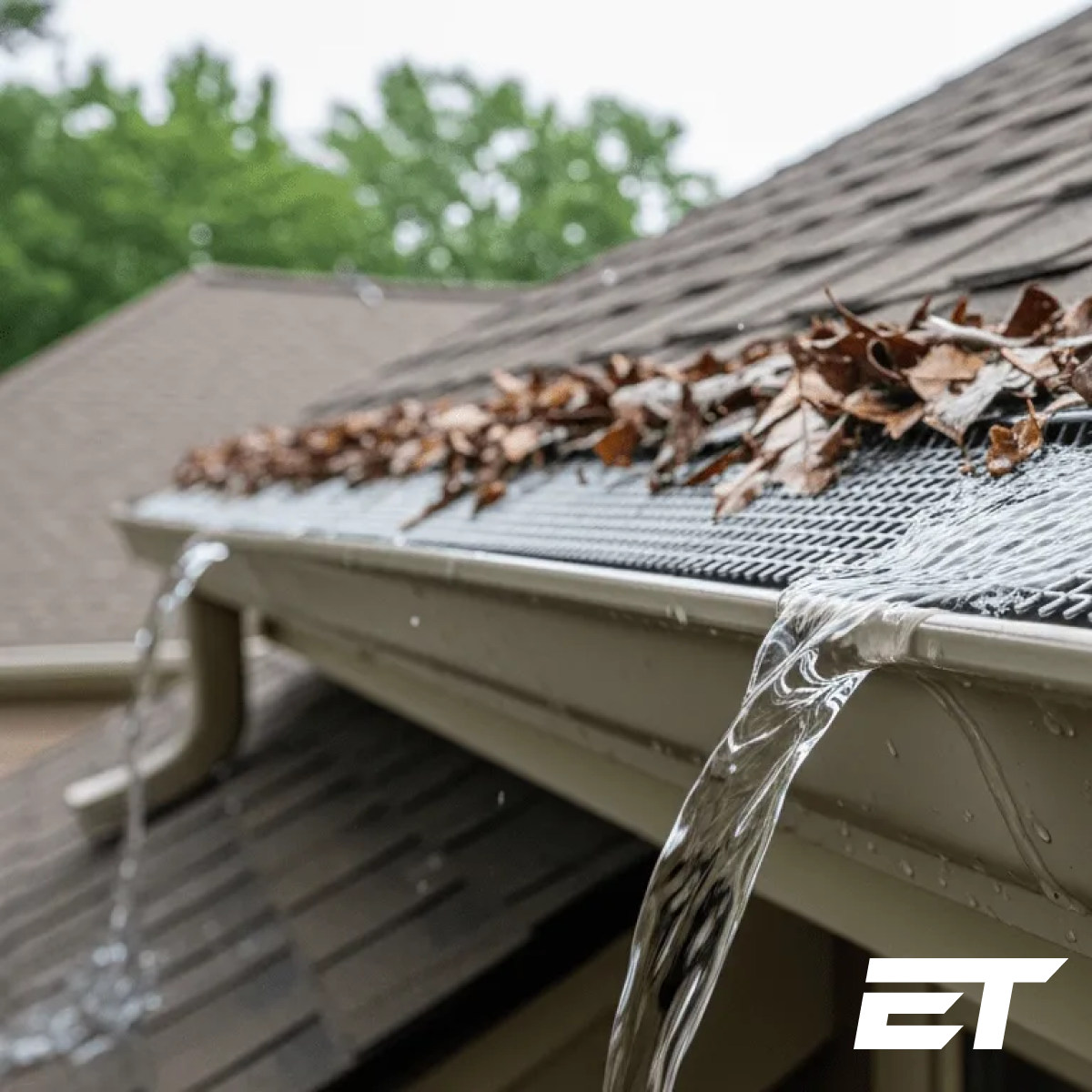
Can You Keep Your Existing Gutter Guards When Replacing Gutters?
If you've invested in a quality gutter guard system — especially one of the premium micro-mesh options that can run several thousand dollars on a full home — the idea of tearing it all out when your gutters need to be replaced is a hard pill to swallow. It's a question we hear regularly from Virginia homeowners: can the guards come off, go on new gutters, and keep doing their job?
Sometimes yes. Often no. And the answer hinges on a few specific factors that are worth understanding before you assume you're starting from scratch — or before you assume everything can be saved.
Here's what you actually need to know.
Why the Question Comes Up So Often
Gutter guards and gutters are purchased and installed at different points in a home's life more often than people realize. A homeowner might install standard gutters when the house is built, add gutter guards five or ten years later when the maintenance burden gets old, and then face gutter replacement another decade after that — with guards that are still in perfectly good shape.
In that scenario, it's completely understandable to ask whether the guards need to go with the gutters. They were a separate purchase. They may still look and function fine. And premium micro-mesh systems can cost $15–$25 per linear foot installed — a significant investment that most homeowners would prefer not to duplicate unnecessarily.
The Short Answer: It Depends on the Guard Type
The feasibility of reusing existing gutter guards when replacing gutters comes down primarily to how the guards are attached and whether they're designed for removal and reinstallation.
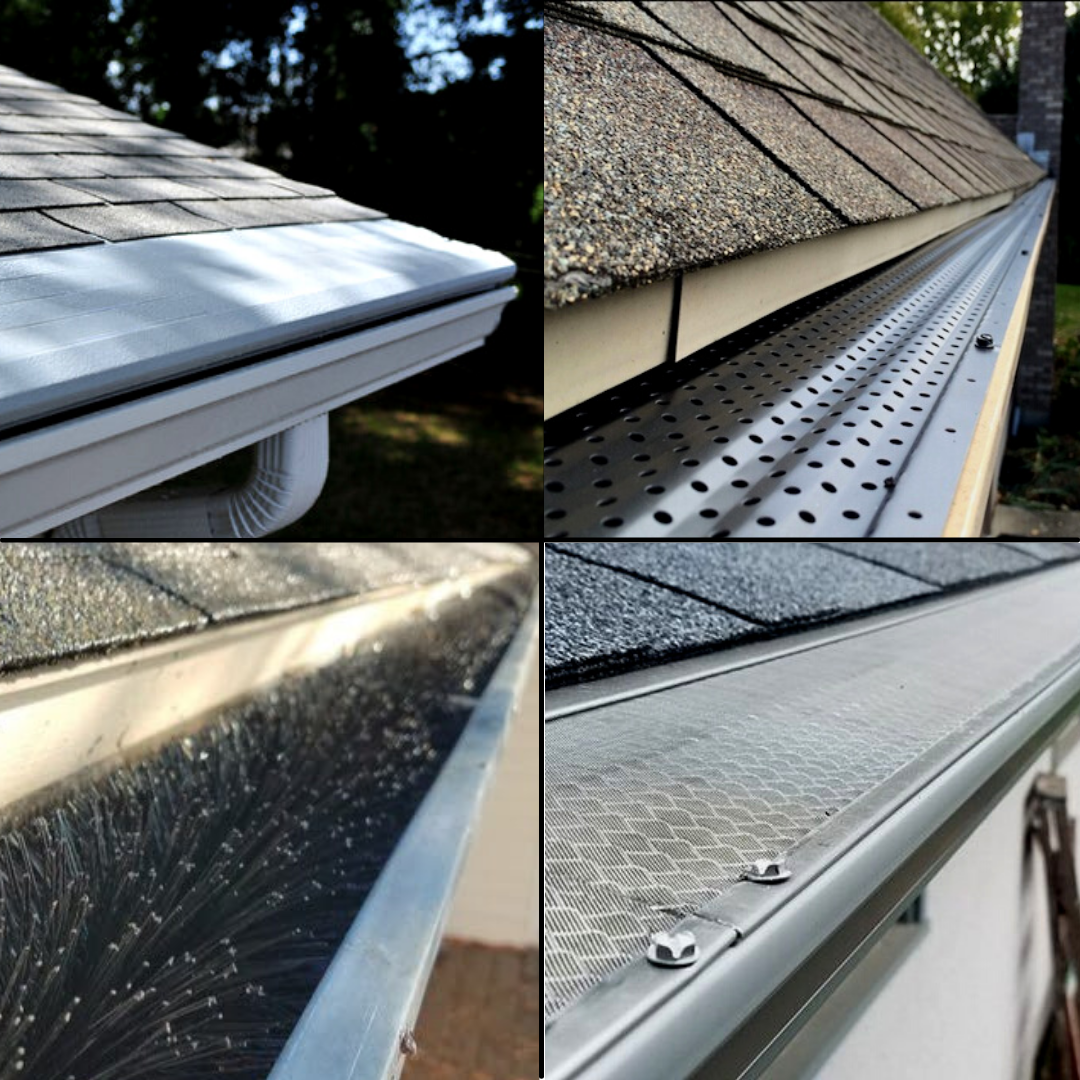
Snap-on or clip-on guards — including many micro-mesh and perforated aluminum styles — attach to the front lip of the gutter or slide under the first row of shingles and clip onto the gutter's back edge. These are the most reusable designs. A careful installer can often remove them without damage, set them aside during the gutter replacement, and reinstall them on the new gutters afterward — provided the new gutters are the same profile and width as the old ones.
Screwed-in or riveted guards — some guard systems are fastened directly into the gutter with screws or rivets, making them more secure but also more difficult to remove cleanly. These can often still be removed and reused, but the process takes more time and there's greater risk of bending or creasing the guard material, particularly in older systems that have been in place for years.
Integrated or custom-fabricated systems — high-end gutter systems where the guard is part of the gutter profile itself, or systems that were custom-fabricated to the existing gutter dimensions, generally cannot be transferred. If the guard and gutter are one unit, they come out together.
Foam or brush inserts — these sit inside the gutter channel and are technically removable, but as we've discussed elsewhere, they're not a system worth preserving. If you have foam or brush inserts and need to replace your gutters, this is a good opportunity to upgrade to a micro-mesh system instead.
The Compatibility Question: Same Size Matters
Even when a guard is designed to be removable and reinstallable, compatibility with the new gutters is not automatic. It requires the new gutters to match the old ones in two key dimensions:
Width — the most critical factor. Standard residential gutters come in 4-inch, 5-inch, and 6-inch widths. A guard designed for a 5-inch gutter will not fit correctly on a 6-inch gutter, and forcing it creates gaps that defeat the purpose of having a guard at all. If you're upgrading from 5-inch to 6-inch gutters during the replacement — which many Virginia homeowners do to handle the region's high rainfall volumes more effectively — your existing guards almost certainly won't transfer.
Profile shape — K-style and half-round gutters have different profiles, and guards designed for one don't adapt to the other. Most residential installations use K-style, so this is less often an issue, but it's worth confirming.
Front edge configuration — some snap-on guards clip to a specific front lip height or angle. If the new gutter profile has a different front edge than the old one, the guard may not seat correctly even if the width matches.
What Happens When Guards Are Reused Improperly
It's tempting to assume that a guard that's "close enough" will work fine. In practice, an improperly seated guard creates problems that can be worse than no guard at all:
- Gaps along the front edge allow leaves and debris to enter the gutter directly, concentrating them in the section that should be most protected
- Improper seating at the roofline can lift the first row of shingles slightly, creating an entry point for wind-driven rain under the shingles and potential water intrusion at the fascia
- Reduced water flow capacity occurs when a guard meant for a narrower gutter is forced onto a wider one, reducing the effective opening and increasing overflow risk during Virginia's summer downpours
The cost of getting this wrong — water damage to fascia, soffit, or foundation — consistently exceeds the cost of simply replacing the guards with a properly fitted system.
When Replacing the Guards Makes More Sense Than Reusing Them
Even when reuse is technically possible, there are situations where replacing the guards alongside the gutters is the smarter call:
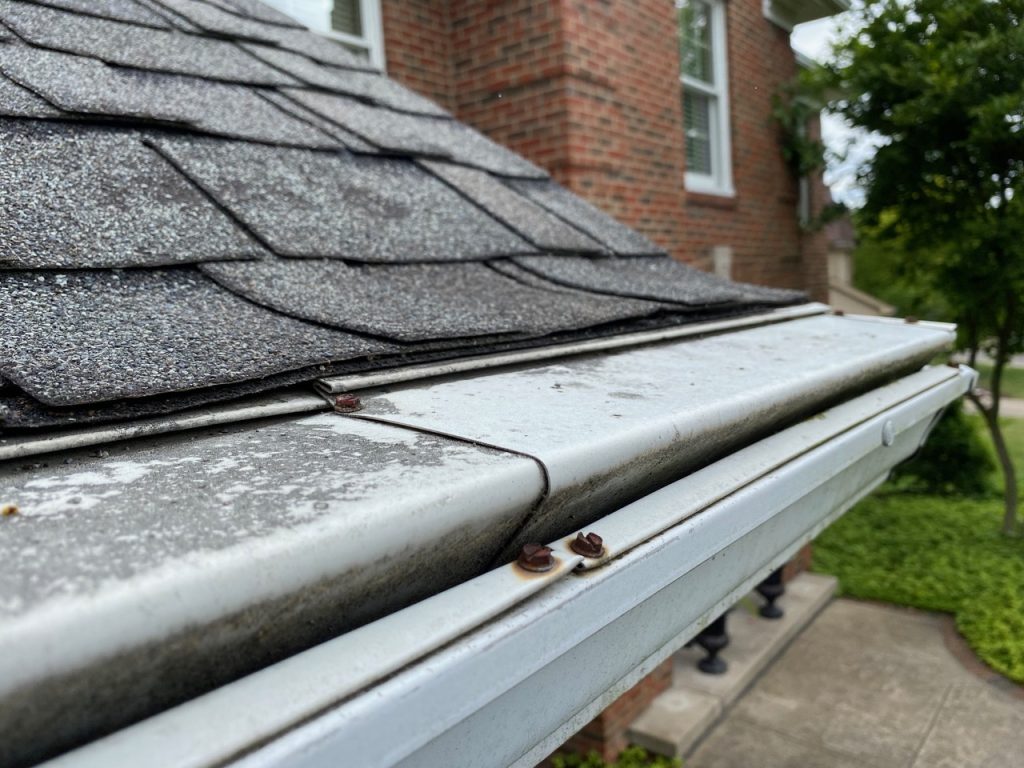
When the guards are more than 10–15 years old. Guard materials — even quality stainless steel micro-mesh — experience wear over time. The mesh can become partially clogged with fine debris and oxidized shingle granules that don't wash out with rain. If the guards are old enough to be showing performance decline, a gutter replacement is a natural time to start fresh.
When you're upgrading gutter size. As mentioned above, moving from 5-inch to 6-inch gutters — often the right move for Virginia homes with significant tree coverage or steep roof pitches — requires guards sized for the new gutters.
When the existing guards never performed well. If you've been cleaning your gutters nearly as often with the guards as without them, this is the opportunity to upgrade to a system that actually works in Virginia's debris environment — particularly a quality stainless steel micro-mesh that handles pine needles, maple seeds, and oak leaves effectively.
When the guard manufacturer offers a warranty that requires professional installation. Some premium guard systems are only warranted when installed by a certified contractor on new gutters. Transferring them to new gutters yourself or through an uncertified installer voids the warranty.
The Right Process: Have Your Contractor Assess Before Deciding
The best approach is straightforward: before any gutter replacement work begins, have your contractor examine the existing guard system, confirm the guard type and attachment method, measure the existing gutter width, and assess the guard condition. From there, you'll have a clear picture of whether reuse is feasible, whether it requires the new gutters to match the existing width, and whether the age and condition of the guards makes reuse worthwhile.
At Exterior Techs, we do exactly this assessment before every gutter replacement project. We'd rather save you the cost of unnecessary guard replacement when reuse is genuinely viable — and we'd rather tell you honestly when it isn't, before the problem shows up on the first heavy rain after installation.
Replacing your gutters and not sure what to do with your existing guards? Exterior Techs will assess your current system and give you an honest recommendation — at no cost, with no pressure. Request your free estimate → or call (804) 848-TECH.
Gutter Expertise Across Northern and Central Virginia
At Exterior Techs, we install and service gutter systems — including seamless gutters and premium guard systems — across Northern Virginia, Fredericksburg, and Richmond. Every installation is backed by our Lifetime Workmanship Guarantee, and our team will always give you a straight answer about what your home actually needs.
Get A Free Quote!
~2 minute response times.

More Exterior Home Improvement Tips
Written with 20 years of hands on experience in Virginia.


Why Local Homeowners Trust Exterior Techs
From Richmond to NoVa we've got your neighbors protected.