
Cool Roofing Options That Reduce Energy Bills In Virginia
Your roof does a lot more than keep the rain out. On a hot summer day, it's also the first line of defense against the sun's relentless heat — and depending on what your roof is made of and how it's designed, it's either helping keep your home cool or quietly making your AC work overtime.
If you've noticed rising energy bills, uncomfortable upper floors, or a house that never quite cools down no matter how hard your system runs, your roof's heat absorption could be a significant part of the problem. The good news: there are several smart, effective roofing solutions specifically designed to reflect heat rather than absorb it.
Why Heat Absorption Is a Bigger Problem Than You Think
Traditional dark-colored asphalt shingles absorb up to 90% of the sun's solar energy. That absorbed heat doesn't stay on the surface — it transfers into your roof deck, radiates into your attic, and eventually works its way into your living spaces below. On a 95°F summer day, a conventional dark roof can reach surface temperatures of 150°F to 175°F.
That level of heat has cascading effects:
- Your attic temperature skyrockets, overwhelming ventilation systems
- Your HVAC runs longer and harder to maintain a comfortable indoor temperature
- Your energy bills climb steadily through the summer months
- Your shingles age faster due to sustained thermal stress
- Your roof deck and structural components experience prolonged heat exposure
Cool roofing addresses this at the source — by reducing how much solar energy your roof absorbs in the first place.
What Makes a Roof "Cool"?
A cool roof is defined by two key properties:
Solar Reflectance — the ability to reflect sunlight away from the roof surface rather than absorbing it.
Thermal Emittance — the ability to release any heat that is absorbed back into the atmosphere rather than transferring it into the building below.
Roofing products are rated on both of these properties by organizations like the Cool Roof Rating Council (CRRC). The higher the ratings, the more effectively the roof manages heat. Here's a look at the most practical cool roofing options available today.
Cool Roofing Options to Consider
1. Reflective Asphalt Shingles
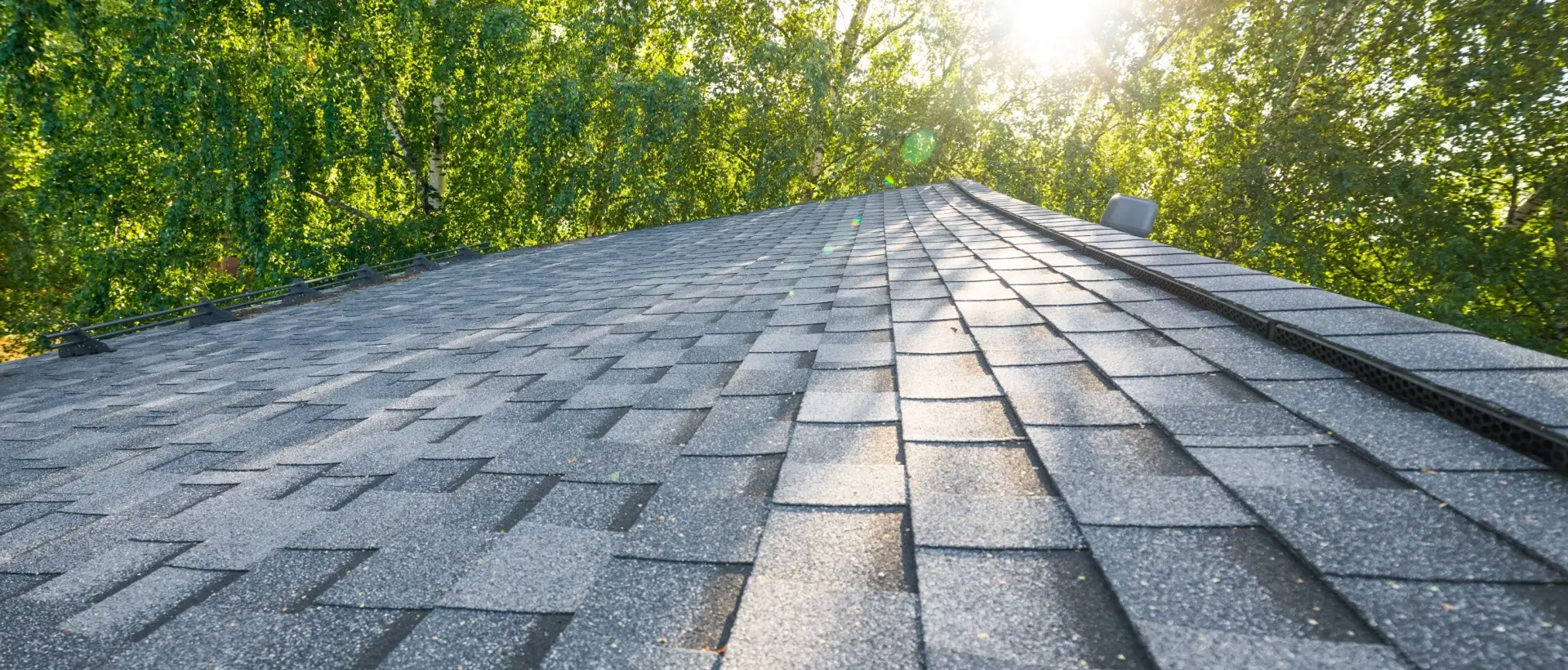
If you love the look of traditional shingles and aren't ready for a major material change, reflective asphalt shingles are a natural starting point. These are standard asphalt shingles manufactured with specially coated granules that reflect a greater portion of solar energy than conventional shingles.
2. Light-Colored or White Shingles
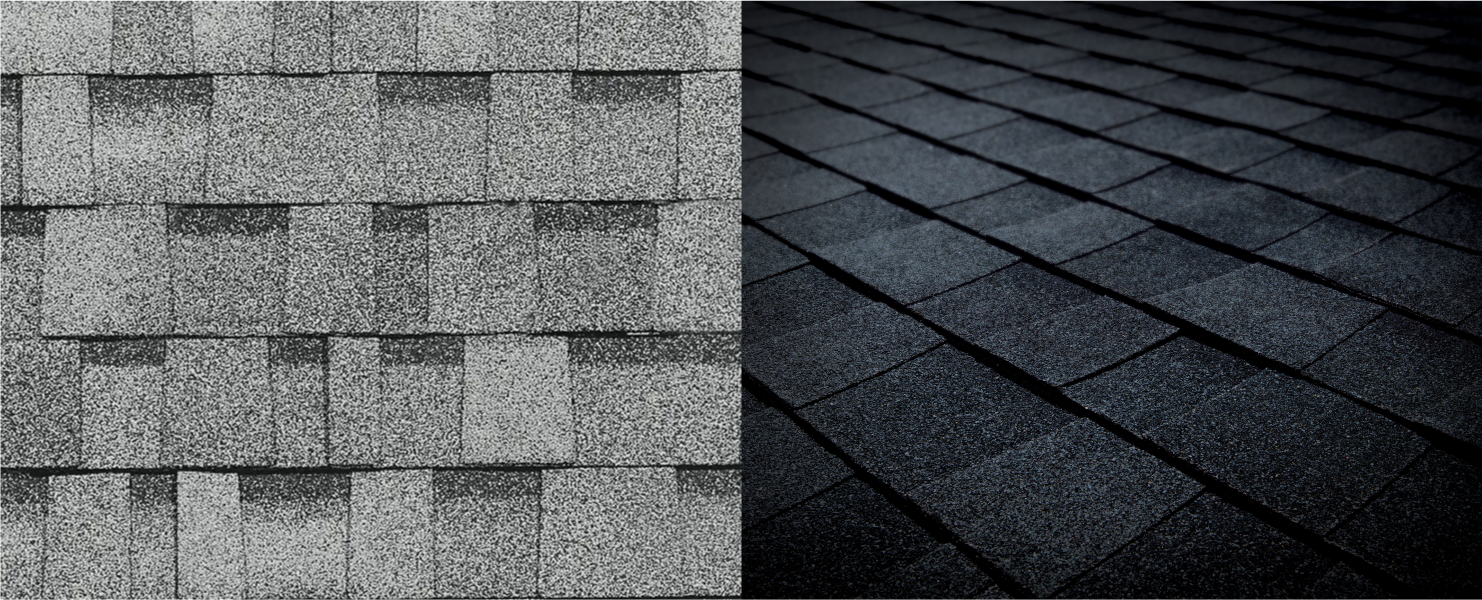
Color plays a bigger role than most homeowners realize. Lighter shingles — tans, light grays, and whites — naturally reflect more sunlight than dark browns or blacks. If you're approaching a roof replacement, simply choosing a lighter color from your preferred shingle line can reduce heat absorption noticeably, with no premium in material cost.
3. Metal Roofing
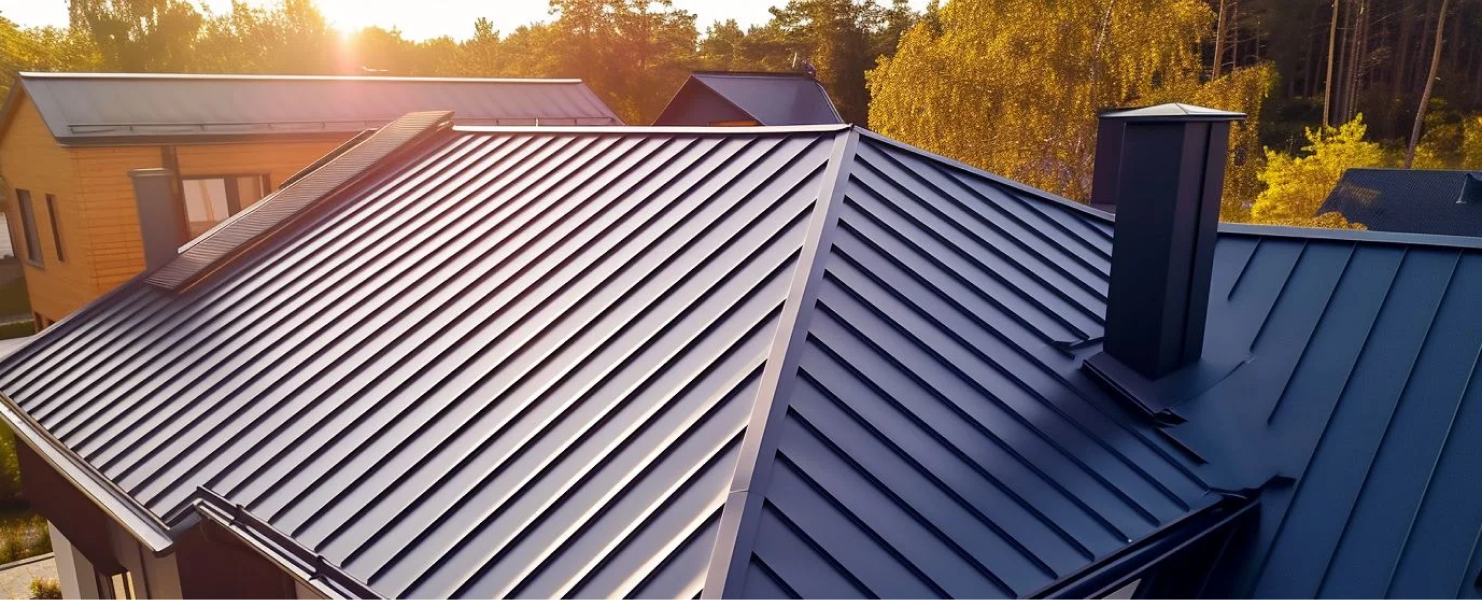
Metal roofing is one of the most effective cool roofing options available. It has naturally high solar reflectance and thermal emittance, meaning it both reflects sunlight well and quickly releases any absorbed heat. Metal roofs can reduce cooling energy use by 10–25% compared to conventional asphalt in hot climates.
Modern metal roofing comes in a wide range of styles — including profiles that mimic the look of traditional shingles or tiles — making it a viable option for homeowners who want performance without sacrificing curb appeal. Metal roofs also carry impressive lifespans of 40–70 years, making them a strong long-term investment.
4. Composite Roofing (Cedar & Slate Alternatives)
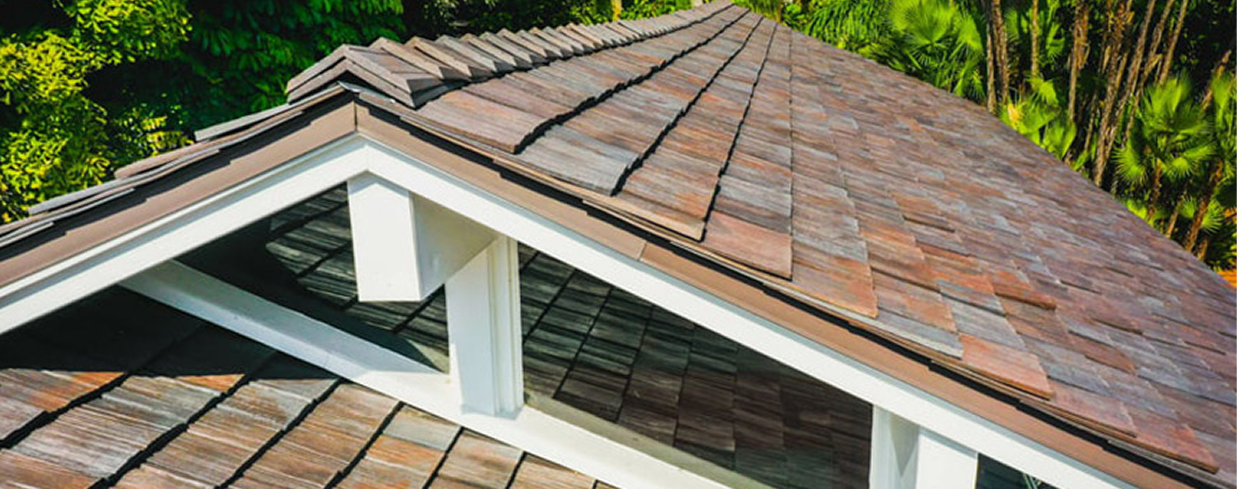
Premium composite options from manufacturers like BRAVA — a roofing partner of Exterior Techs — offer the natural beauty of cedar shakes or slate with significantly better thermal performance and durability. These products are engineered to resist heat absorption while delivering the aesthetic appeal of traditional premium roofing materials. They're also lighter than natural slate and far more impact-resistant.
5. Natural Cedar or Slate
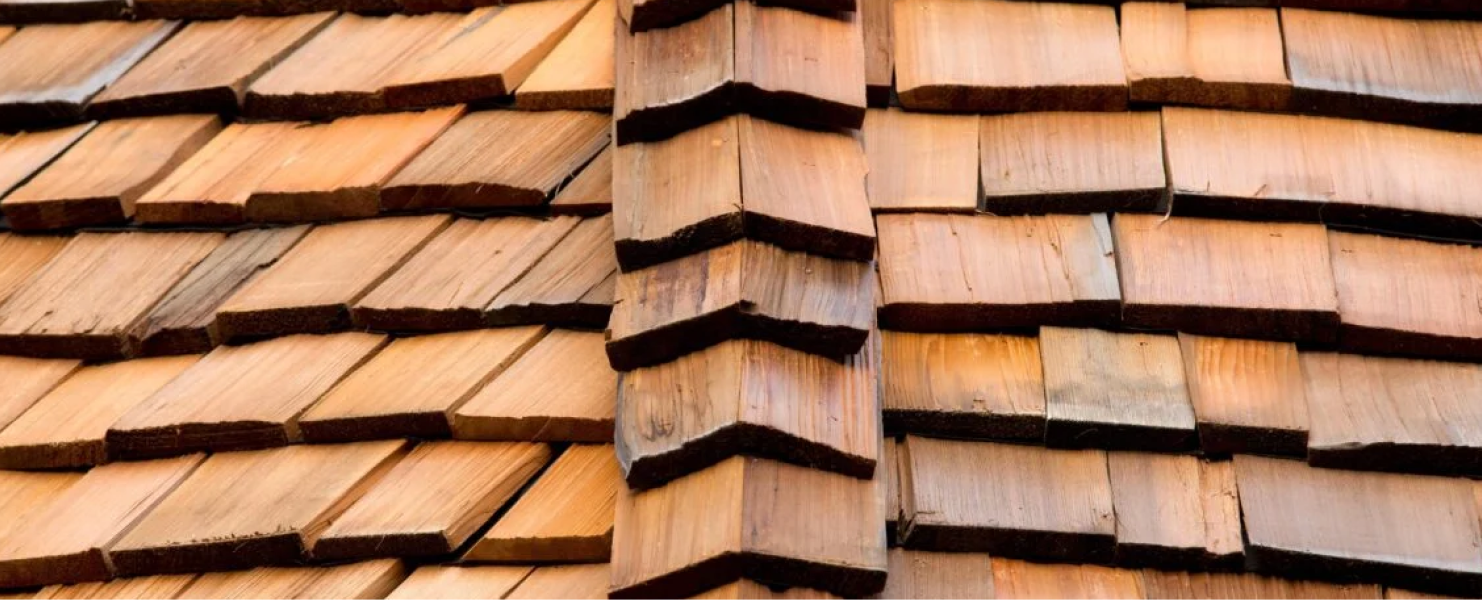
For homeowners drawn to traditional premium materials, both cedar and slate have natural thermal properties that perform better than standard asphalt in extreme heat. Cedar's cellular structure provides natural insulation, while slate's density moderates heat transfer. Both materials also carry exceptional lifespans — slate especially, which can last a century or more when properly installed.
Our Recommendation for the Coolest Materials
These are some of our favorite products to work with when it comes to choosing materials that will keep your roof cool:
- CertainTeed - Landmark® Solaris® The cool roof version of CertainTeed's popular Landmark shingle, Solaris features a special granule surface blend that reflects more than 40% of UV rays — far more than traditional roofing shingles — with a heavy-weight, dual-layered design that emulates the dimensionality of true wood shake.
- Owens Corning - TruDefinition® Duration® COOL Duration COOL shingles are specially designed with solar-reflecting granules to keep roofs cooler and may result in lower energy consumption and extended roof life, while featuring patented SureNail® Technology for outstanding wind performance.
- GAF - Timberline HDZ® RS (Reflector Series) GAF's flagship cool roof shingle, featuring their enhanced EcoDark® granule technology that delivers deep, rich colors while meeting solar reflectance requirements.
Which Cool Roofing Option Is Right for You?
The best choice depends on a couple of different things. Here are some questions to ask and consider:
- Are you due for a full roof replacement, or looking for improvements to your existing roof?
- Do you have a pitched roof, a flat roof, or both?
- How important is curb appeal versus maximum performance?
- Are you thinking about pairing your roof upgrade with solar panels?
These are exactly the kinds of questions our team at Exterior Techs can help you think through — at no cost to you.
Ready to explore cool roofing options for your home? Our team will assess your current roof, explain your options clearly, and give you an honest recommendation with no pressure.
Get A Free Quote!
~2 minute response times.

More Exterior Home Improvement Tips
Written with 20 years of hands on experience in Virginia.

Why Local Homeowners Trust Exterior Techs
From Richmond to NoVa we've got your neighbors protected.