
Black Replacement Windows: What to Know Before You Buy
Considering back frames for your next window upgrade or replacement? Here's everything you should know before making that decision.
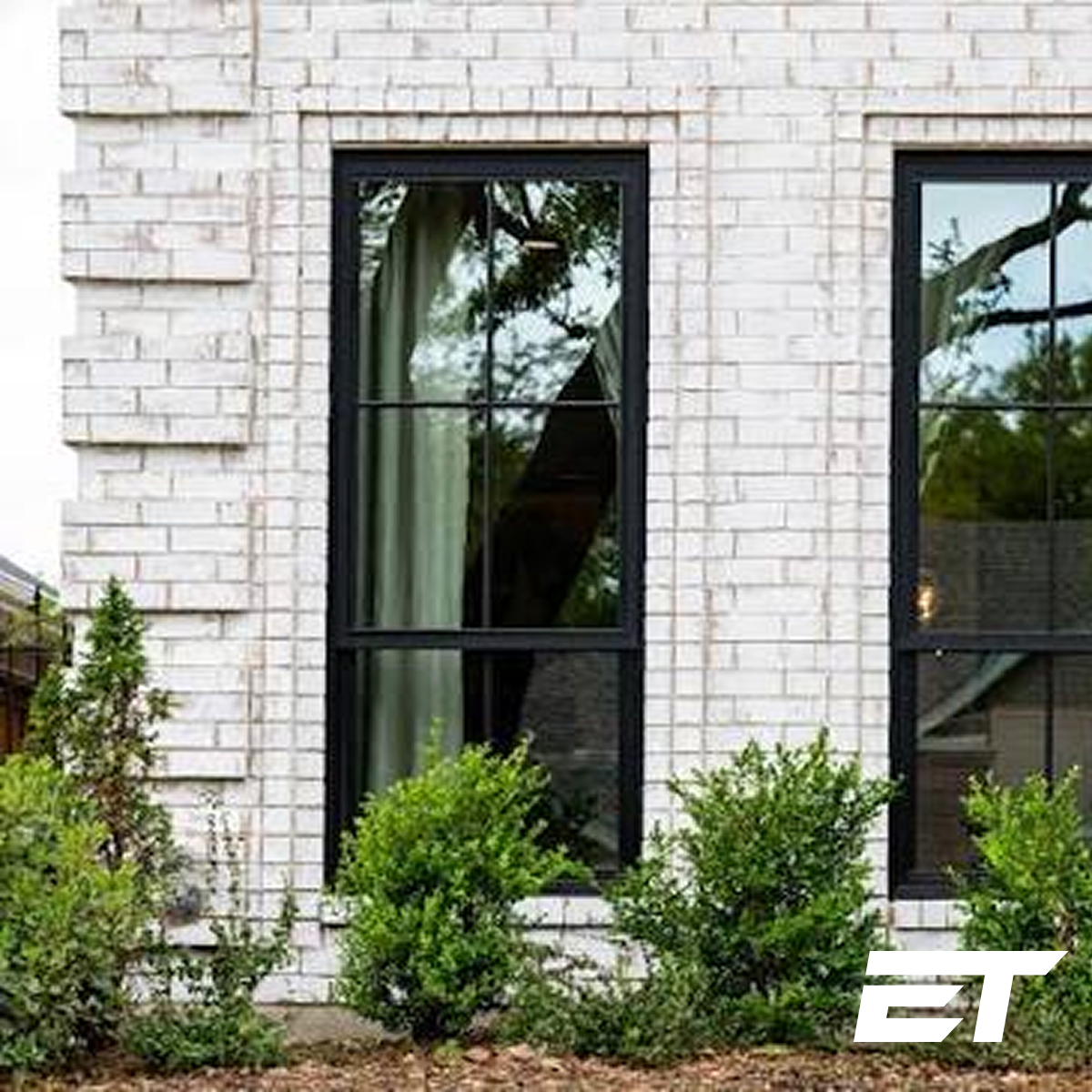
Black Replacement Windows: What to Know Before You Buy
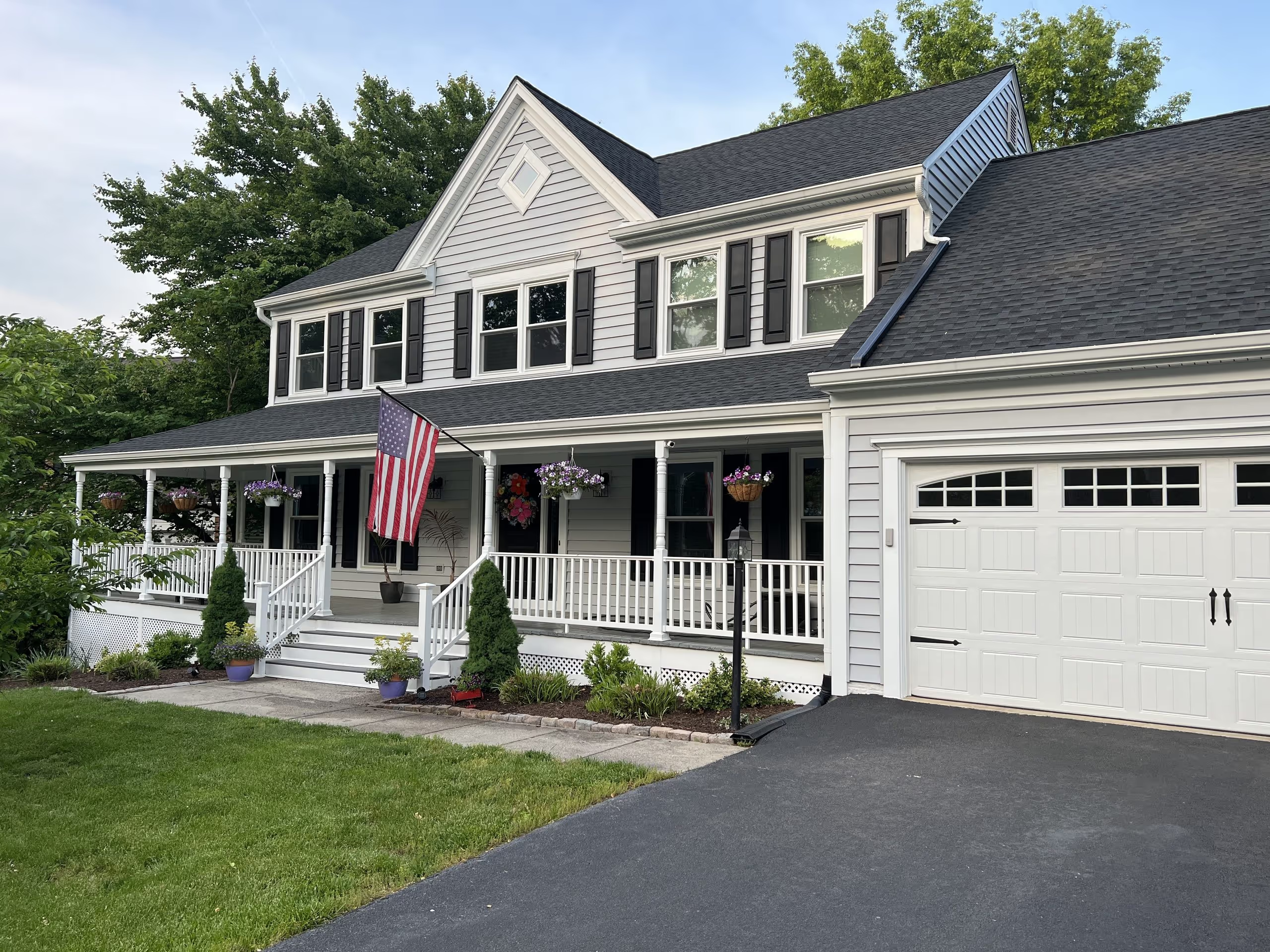
Black windows have become one of the most sought-after exterior design trends in residential remodeling — and for good reason. Whether it's the bold grid lines of a black casement window on a modern farmhouse, the dramatic contrast of black frames against white siding, or the sleek architectural statement of black windows on a transitional-style home, the aesthetic impact is undeniable. Searches for black replacement windows have surged in recent years, and the demand shows no signs of slowing.
But black windows come with considerations that standard white or tan frames don't — particularly in Virginia's climate, where summer heat is intense and sun exposure on south and west-facing walls is significant. Before you commit to black windows throughout your home, here's what you need to understand about how they perform, which materials hold up best, and what to realistically expect over the long term.
Why Black Windows Behave Differently Than Standard Colors
The same physics that apply to dark siding apply to dark window frames: black and near-black frames absorb significantly more solar energy than white or light-colored frames, converting that energy to heat at the frame surface. This matters for a few specific reasons:
Frame expansion: All window frame materials expand with heat and contract in cold. The greater the temperature swing at the frame surface, the more pronounced that expansion and contraction cycle becomes. For vinyl frames in particular — which already have higher thermal expansion coefficients than fiberglass or aluminum — black color accelerates this cycle significantly. Repeated expansion and contraction over years can stress seals, cause frames to bow slightly, and in poorly installed windows, create gaps that affect both weatherproofing and thermal performance.
Seal integrity: The insulated glass unit (IGU) seal — the bond that keeps argon gas between the panes and prevents moisture infiltration — experiences more stress in high heat-cycling environments. Black frames that absorb and retain more heat accelerate this stress, which is one reason some manufacturers limit or adjust warranty coverage on certain dark frame colors.
Interior heat near the frame: Black frames that absorb significant heat can radiate warmth toward the interior glass edge, which can affect comfort in rooms with large window exposures on south or west walls on the hottest days of summer.
None of this means black windows are a bad choice — it means material selection and product quality matter more with black windows than with lighter colors.
Which Frame Materials Handle Black Best
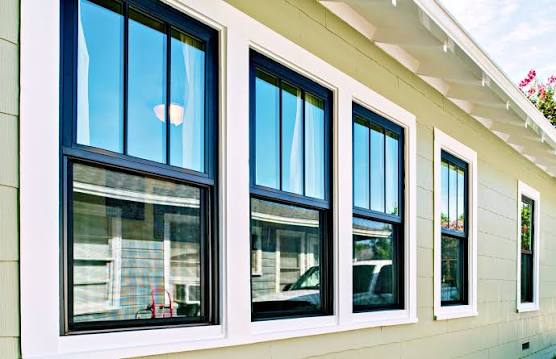
Fiberglass — The Best Material for Black Frames
Fiberglass is the strongest choice for black windows, and this is especially true in Virginia's climate. Fiberglass has a thermal expansion coefficient very close to that of glass itself — meaning the frame and the glass expand and contract at nearly the same rate, which dramatically reduces seal stress over time. A fiberglass frame running hot on a summer afternoon expands far less than a comparable vinyl frame, which means the expansion-contraction cycle that degrades seals and creates fit issues over time is significantly reduced.
Fiberglass frames also accept color exceptionally well. Black pigments embedded in or applied to fiberglass surfaces hold their depth and saturation over time with minimal fading — significantly better than vinyl's performance in dark colorways. For homeowners who want true, lasting black aesthetics over a 20 to 30-year window lifespan, fiberglass is the material worth the investment.
ProVia — which Exterior Techs installs as a certified dealer — offers black frame options across their fiberglass window lines with strong performance data and warranty coverage that doesn't carve out dark colors the way some vinyl manufacturers do.
Vinyl — Viable, With Important Caveats
Vinyl is the most common window material and is perfectly viable in black — but with more considerations than fiberglass. The thermal expansion issue described above is real, and it's most pronounced in black vinyl. Lower-quality vinyl windows in black can show frame bowing, seal degradation, and color fading more quickly than premium products.
If you're choosing vinyl black windows, focus on:
- Multi-chamber frame construction — more chambers in the vinyl extrusion mean greater structural stability and less flex under thermal stress
- Fusion-welded corners — mechanically fastened corners are more likely to loosen under repeated expansion cycling than welded corners
- UV-stabilized pigments — look for manufacturer documentation that black colorways are covered under the same warranty terms as standard colors, which signals confidence in their UV stability
- Manufacturer warranty language — read the fine print on whether the dark color is covered under the same terms as standard colors or whether there are exclusions
ProVia's vinyl lines use fully welded frames and UV-stabilized color options, which positions them better than commodity vinyl products for dark color applications. Wincore also produces ENERGY STAR®-certified vinyl windows that are built with multi-chamber profiles and fusion-welded construction — a solid choice in the mid-range for homeowners who want black vinyl at a more accessible price point than fiberglass.
Aluminum-Clad and Composite
Aluminum-clad windows — typically a wood or composite interior with an aluminum exterior cladding — handle black color exceptionally well. The aluminum cladding is factory-finished in black and holds color durably. Thermal performance of pure aluminum is lower than vinyl or fiberglass without a thermal break, but aluminum-clad windows with proper thermal break construction perform well and carry the aesthetic advantages of aluminum's ability to hold very fine, crisp sight lines in black.
For homeowners who want the thinnest, crispest black frame profile — popular in contemporary and modern architectural styles — aluminum-clad is worth considering.
What to Ask Your Contractor Before Committing
A few questions worth getting clear answers on before signing off on black replacement windows:
- Is the black color covered under the same warranty terms as standard colors? Some manufacturers limit coverage on dark frame colors. Know what you're getting.
- What is the frame material and construction? Welded corners, multi-chamber profiles, and fiberglass substrate all matter more in black than in standard colors.
- What CRRC or NFRC ratings does the product carry? Performance data should be verified independently, not just taken from marketing materials.
- How is the black finish applied? Factory-applied color is more consistent and durable than field-applied paint.
- Is interior color a separate choice? Confirm whether you can get black exterior with a different interior color if that's your preference.
The Bottom Line
Black replacement windows are a strong, lasting design choice when paired with the right material and a quality installation. Fiberglass frames are the best-performing substrate for black windows in Virginia's climate — they handle heat cycling better, hold color longer, and carry stronger warranty coverage. Premium vinyl with welded construction and UV-stabilized pigments is a solid alternative at a lower price point, particularly from manufacturers like ProVia and Wincore who build to higher standards than commodity products.
Whatever you choose, black windows reward quality at every level — better material, better installation, better long-term result.
Window Expertise Across Northern and Central Virginia
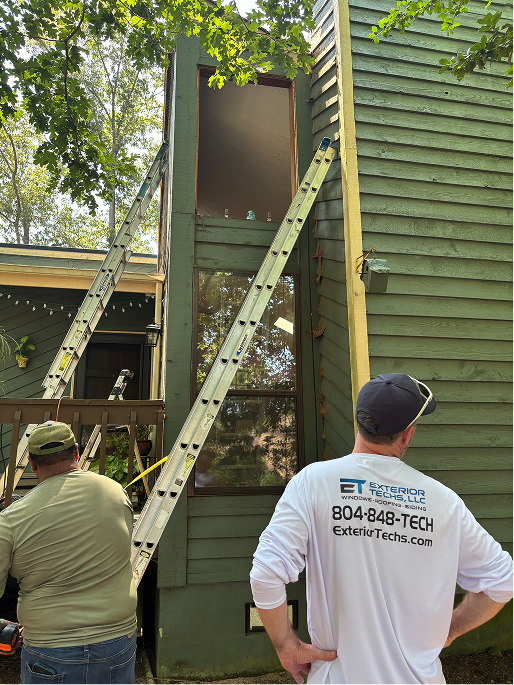
At Exterior Techs, we're certified installers for ProVia and Wincore windows — two of the strongest performers in black frame applications. Every window installation we complete is backed by our Lifetime Workmanship Guarantee.
Get A Free Quote!
~2 minute response times.

More Exterior Home Improvement Tips
Written with 20 years of hands on experience in Virginia.

Why Local Homeowners Trust Exterior Techs
From Richmond to NoVa we've got your neighbors protected.