Dark Siding Colors: What to Know About Heat, Fading, and Maintenance
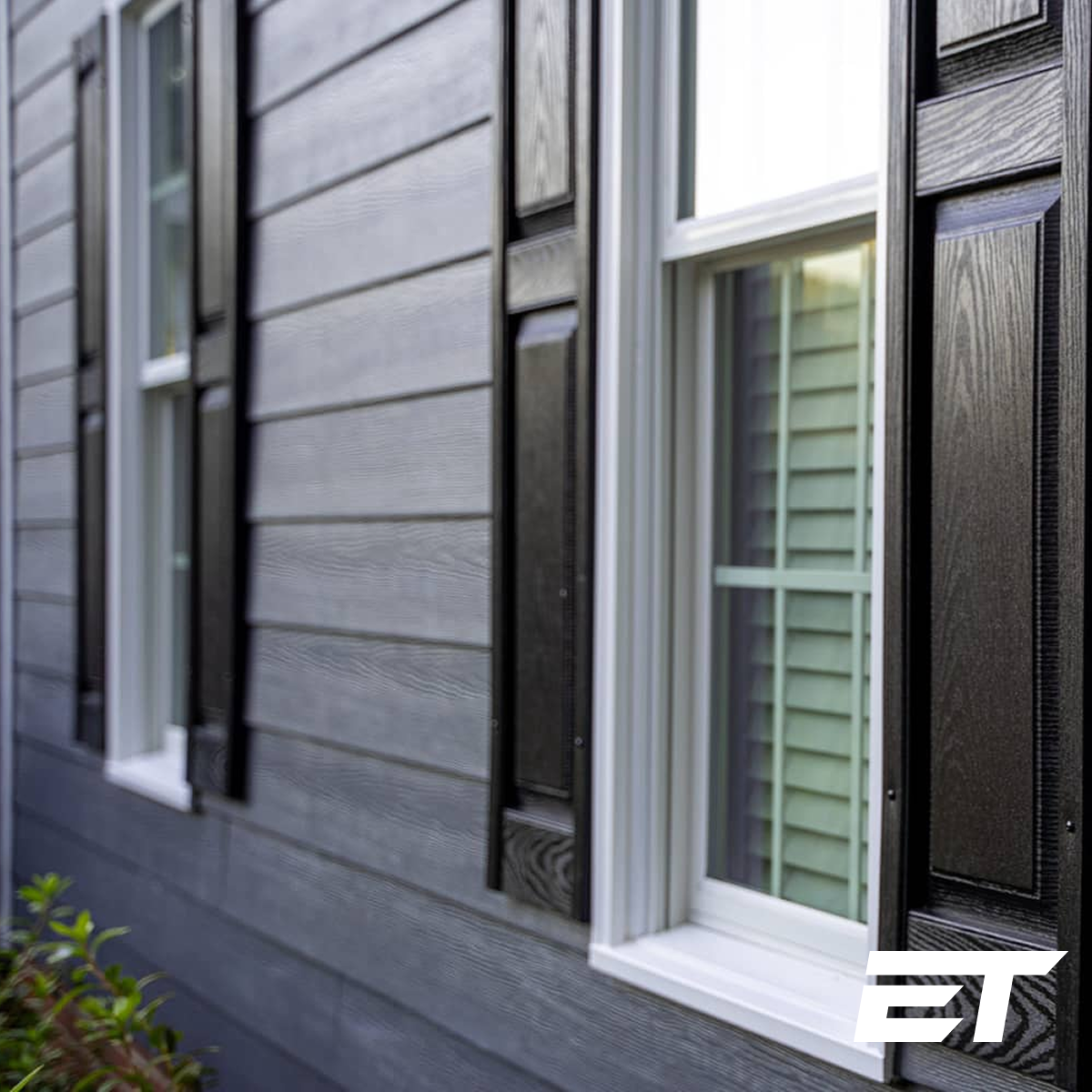
Dark exterior siding has had a serious moment in recent years — and it's not hard to see why. Deep charcoals, rich navy blues, forest greens, and true blacks give a home a striking, modern presence that lighter colors simply can't replicate. In neighborhoods across Northern Virginia, Fredericksburg, and Richmond, dark-sided homes have become increasingly common as homeowners move away from the beige-and-tan palette that dominated residential exteriors for decades.
But before you commit to a dark color for your next siding project, there are some practical realities worth understanding. Heat absorption, fading, and maintenance requirements all behave differently with dark siding than they do with lighter colors — and knowing what to expect upfront helps you make a decision you'll be happy with for the next 20 to 30 years.
Here's what Virginia homeowners need to know.
Dark Siding and Heat Absorption: The Real Impact
The physics here are straightforward: darker colors absorb more solar energy than lighter ones and convert it to heat. On a hot Virginia summer day, dark siding can reach surface temperatures significantly higher than light-colored siding under the same sun exposure — sometimes 20 to 30°F warmer on south- and west-facing walls.
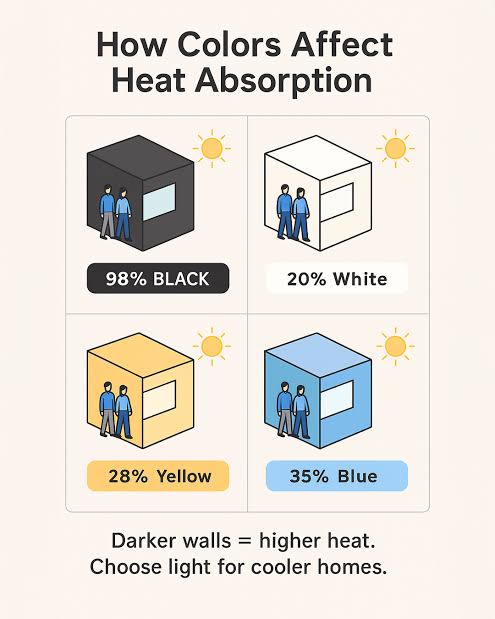
What does that mean in practical terms?
For your home's interior: Surface heat on the siding doesn't transfer dramatically into your living spaces the way roofing heat does, because siding has an air gap between it and your home's sheathing and insulation. The thermal impact on interior temperatures is typically minimal for well-insulated homes. If your walls have adequate insulation — which they should for any home built or renovated in the last 20 years — the additional heat absorbed by dark siding is unlikely to meaningfully affect your energy bills.
For the siding material itself: This is where heat absorption matters more. Elevated surface temperatures over sustained periods accelerate the breakdown of certain siding materials — particularly vinyl. We'll cover this in more detail below, because material choice is the most important variable in how well dark siding holds up over time in Virginia's climate.
For south and west-facing walls: These receive the most direct sun exposure during Virginia's long summer days and are where heat-related stress is most concentrated. If you're going dark on all four sides of the house, south and west walls will show any heat-related effects — fading, expansion, or distortion — first.
The Fading Question: Which Materials Hold Color Best
Fading is the most common concern homeowners raise about dark siding, and it's a legitimate one. Here's how the major siding materials compare:
Vinyl Siding
Vinyl is the most vulnerable dark siding material when it comes to both fading and heat-related distortion. The pigments in dark vinyl colors sit in the surface layer of the material and are particularly susceptible to UV degradation over time. Dark vinyl siding also expands and contracts more dramatically with temperature changes than lighter vinyl — a physical reality of the material that becomes more pronounced with deeper colors.
The practical risks: dark vinyl can develop a chalky, washed-out appearance within 5 to 10 years depending on sun exposure, and severe temperature cycling can cause warping or buckling in installations where panels weren't given adequate expansion gaps.
If you're set on vinyl and want a dark color, look specifically for products marketed as "fade-resistant" with UV-stabilized pigments — and confirm the manufacturer's warranty explicitly covers the dark colorway you're choosing. Some vinyl warranties exclude certain dark colors or limit coverage differently than lighter tones.
James Hardie Fiber Cement
.jpg)
Fiber cement is significantly better suited to dark colors than vinyl, and it's the material we most commonly recommend for homeowners who want a deep, rich exterior color in Virginia's climate. James Hardie's ColorPlus® Technology bakes color directly into the surface through a factory multi-coat process with UV-resistant finish coats — producing a depth and consistency of color that field-painted finishes and vinyl pigments rarely match.
Hardie's ColorPlus® finish is independently tested to retain color significantly longer than field-applied paint, and the fiber cement substrate doesn't expand and contract with temperature the way vinyl does, eliminating the warping and buckling risks associated with dark vinyl in hot climates.
Dark Hardie colors — Midnight Black, Iron Gray, Mountain Sage, and similar deep tones — look as rich after a decade in Virginia's sun as they do on installation day, provided the product is properly installed and the home's trim, caulking, and paint are maintained.
LP SmartSide Engineered Wood
LP SmartSide is another strong performer in darker color applications. Its substrate — treated engineered wood — doesn't exhibit the same thermal expansion issues as vinyl, and factory-primed panels accept paint adhesion exceptionally well. The limitation is that LP SmartSide arrives primed but not finished, so the quality and longevity of the dark color depends heavily on the paint product and application quality at installation. A premium exterior paint with high UV resistance, applied correctly with adequate coverage, will hold well. A cheaper paint applied in a single coat will not.
Maintenance Considerations for Dark Siding
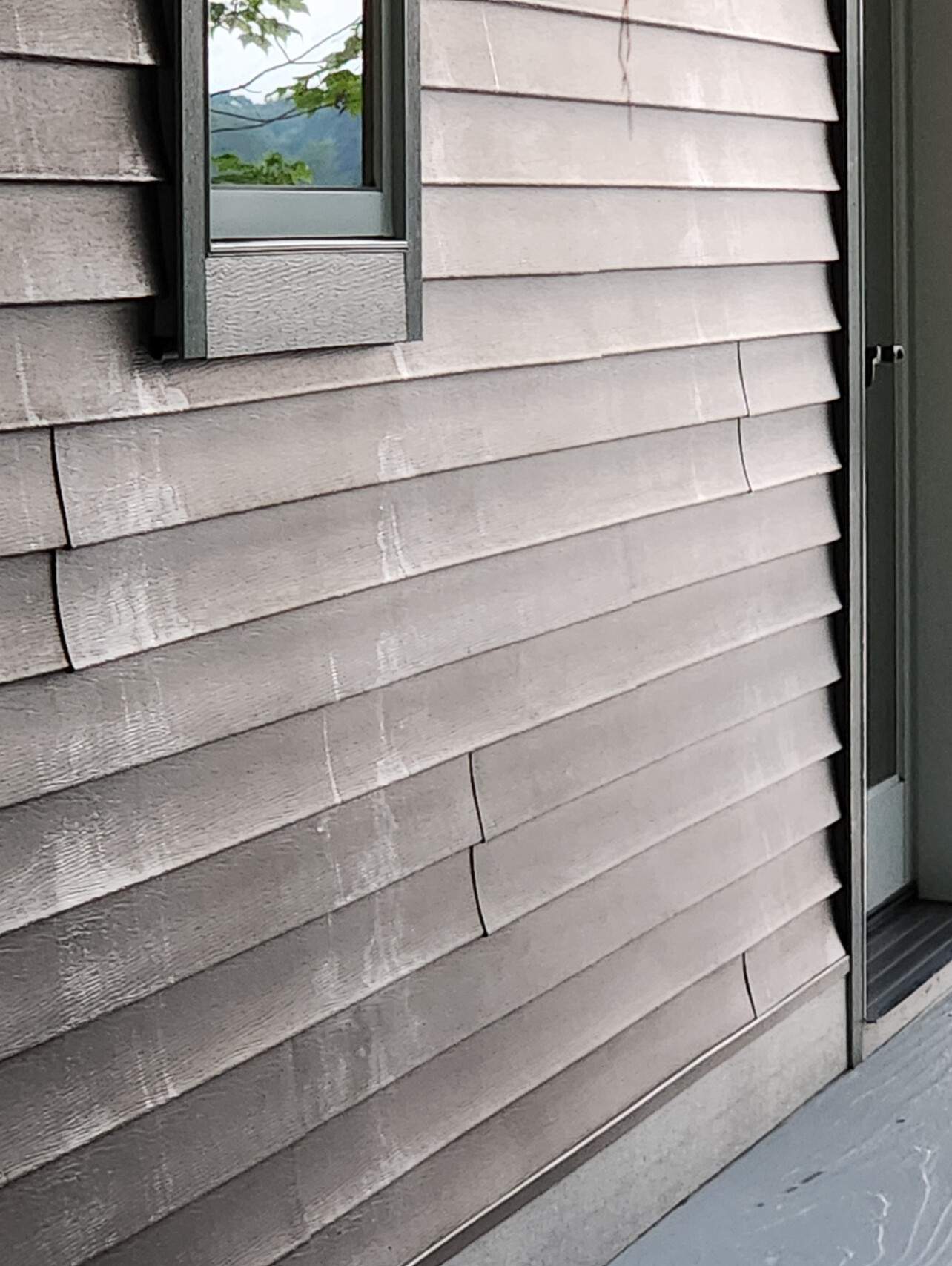
Dark siding shows certain things more visibly than light siding — and conceals others. Here's what to expect:
What shows more: Dust, pollen, water spots, bird droppings, and light-colored efflorescence from concrete or masonry nearby all stand out clearly against dark siding. In Virginia's spring pollen season, dark siding can look noticeably dusty within days of a cleaning. Plan for more frequent washing — typically two to three times per year — to keep dark siding looking its best.
What shows less: Mildew staining and algae growth, which tend to appear as dark streaks on light siding, are less immediately visible on dark surfaces. This isn't necessarily a benefit — it means problems can develop further before you notice them. Annual inspection of dark siding, particularly on north-facing and shaded walls where moisture lingers, is important.
Touch-up and repainting: For fiber cement and engineered wood, touch-up painting on dark colors requires careful color matching. Paint technology has made color matching significantly more accurate in recent years, but small touch-ups on deep, saturated colors can still show variation. This is an argument for doing trim and touch-up work comprehensively when it's needed rather than spot-treating individual areas.
Caulking at seams: Caulk around windows, doors, and panel seams experiences more thermal movement with dark siding on high-sun exposures. Inspecting and reseating caulk every few years — particularly on south and west walls — keeps the moisture barrier intact and prevents water intrusion behind the siding.
The Bottom Line: Dark Siding Works — With the Right Material
Dark siding is a legitimate, durable choice for Virginia homes when you match the color ambition to the right material. James Hardie fiber cement with ColorPlus® Technology is the strongest option for deep, saturated colors that hold up through Virginia's summers without fading, warping, or requiring excessive maintenance. LP SmartSide with a quality paint application is a solid alternative. Dark vinyl requires more careful product selection and comes with more caveats around long-term performance in high sun exposures.
Whatever material you choose, working with a contractor who understands the specific installation requirements for dark colors — adequate expansion allowances for vinyl, proper caulking protocols for fiber cement, paint quality for engineered wood — is as important as the product itself.
Thinking about dark siding for your home and want to know which product makes the most sense for your specific situation? Exterior Techs installs James Hardie, LP SmartSide, and vinyl siding across Northern Virginia, Fredericksburg, and Richmond — and we'll give you a straight recommendation based on your home, your color goals, and your budget. Request your free estimate → or call (804) 848-TECH.
Exterior Techs: Siding Expertise Across Virginia
As a James Hardie Preferred Contractor and experienced installer of multiple siding systems, Exterior Techs brings the product knowledge and installation precision that dark siding demands. Every siding project we complete is backed by our Lifetime Workmanship Guarantee.
Dark siding done right turns heads for decades. Let's make sure yours is built to do exactly that.
Get A Free Quote!
~2 minute response times.

More Exterior Home Improvement Tips
Written with 20 years of hands on experience in Virginia.
Why Local Homeowners Trust Exterior Techs
From Richmond to NoVa we've got your neighbors protected.