
Aluminum vs. Copper Gutters: When Is the Upgrade Worth It?
Most homeowners don't need copper gutters. But for the right home, copper can be one of those rare upgrades that genuinely changes the look and long-term character of the exterior.
The real question isn't whether copper is better. It's whether what copper does better is worth the premium for your home.
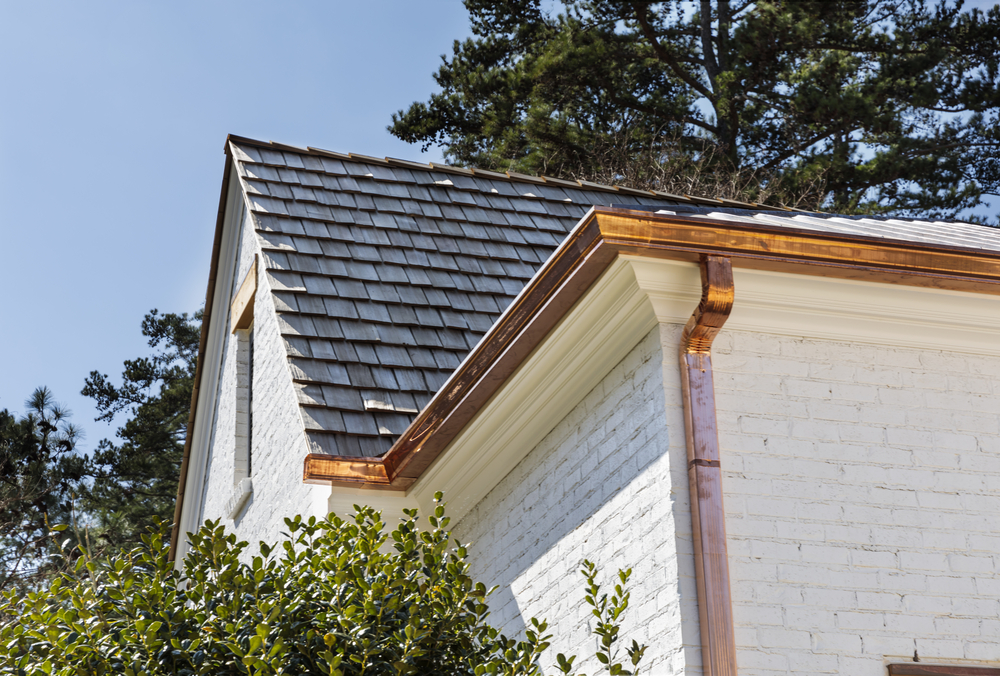
Gutters aren't usually the star of a home exterior. They're supposed to quietly collect rainwater, move it away from your foundation, and protect the roofline, siding, fascia, and landscaping. But the material you choose can make a surprisingly large difference in how your home looks — and how much you spend to get there.
For most Virginia homeowners, aluminum is the practical choice. It's lightweight, available in a wide range of colors, easy to maintain, and typically much less expensive than copper. Copper, on the other hand, is a premium architectural material. It costs considerably more, but it can develop a natural patina and last for decades with the right installation.
So when is the upgrade actually worth it?
Aluminum vs. Copper: The Quick Answer
If you're replacing gutters on a typical suburban home, we'd usually recommend aluminum. If you're restoring a historic property, building a high-end custom home, or intentionally designing around copper's distinctive appearance, copper can make sense.
Which gutter fits your home?
Pick the description that sounds most like your project.
Why Aluminum Gutters Are the Default Choice
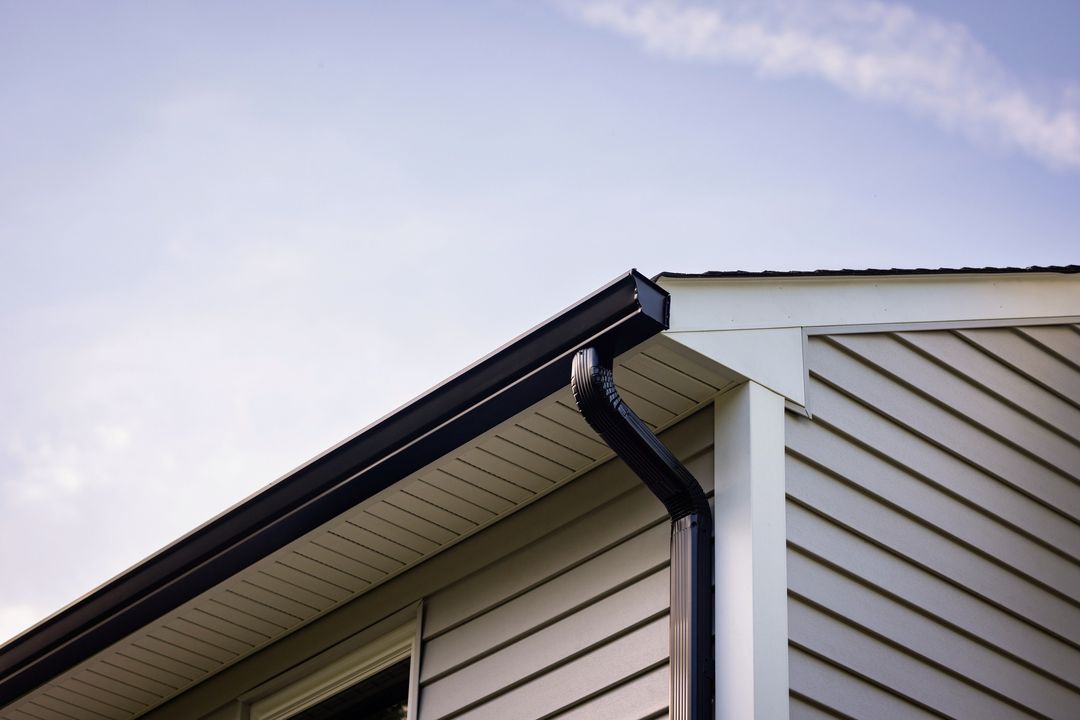
Aluminum has become the go-to residential gutter material because it delivers a strong balance of cost, performance, appearance, and flexibility.
Lightweight and versatile
Aluminum is relatively light and straightforward to work with. It can be formed into seamless runs and finished in colors that coordinate with siding, trim, roofing, windows, or doors.
Usually much easier on the budget
Exact pricing depends on the home's size, roofline, corners, downspouts, gutter size, access, and installation details. But as a material, aluminum is substantially less expensive than copper. For a homeowner who wants reliable water management without making the gutter line a major architectural investment, that difference matters.
The tradeoff: dents and finish wear
Aluminum can dent from ladders, branches, hail, or other impacts, and painted finishes can eventually fade or weather. That doesn't make it a bad material; it simply means the system may show its age sooner than premium copper.
What Makes Copper Gutters Different?
Copper isn't simply a more expensive version of aluminum. It creates a completely different visual effect.
New copper has a warm metallic appearance. Over time, exposure to the elements causes the surface to oxidize and develop a patina that can shift toward darker brown and eventually blue-green tones. Some homeowners love that evolution because the gutter system looks increasingly integrated with an older or more traditional home.
Longevity is part of the appeal
Well-installed copper gutter systems can last for many decades. The important phrase is well-installed: seams, hangers, outlets, downspouts, and connections still matter enormously.
Copper is a design decision
Copper makes the most sense when the gutter is supposed to be seen. Think historic homes, custom homes with natural stone or brick, detailed trim packages, and exterior designs where the metalwork is intentionally part of the aesthetic.
What Does the Premium Actually Buy?
You're not paying more because copper moves rainwater better. Both aluminum and copper can be engineered into effective gutter systems. You're paying for a combination of appearance, material character, longevity, and architectural fit.
- Distinctive finish: Copper has an appearance painted aluminum cannot truly duplicate.
- Natural aging: Its patina changes with time instead of simply looking faded.
- Long service life: A properly designed and installed copper system can remain in place for decades.
- Architectural cohesion: Copper can complement brick, stone, slate, and cedar exceptionally well.
Aluminum vs. Copper: Side by Side
| Factor | Aluminum | Copper |
|---|---|---|
| Upfront cost | Lower | Much higher |
| Appearance | Many colors | Natural metal + patina |
| Weight | Lightweight | Heavier |
| Maintenance | Low | Low; patina changes naturally |
| Best fit | Most residential projects | Historic, custom, and high-end architecture |
When Is the Copper Upgrade Worth It?
1. Your home has architectural character
If you've invested in real stone, brick, slate, cedar, detailed trim, or other premium exterior materials, copper can tie those elements together. Gutters run around the roofline, so they have a surprisingly large visual impact.
2. You're restoring a historic home
For historic or traditionally styled properties, material authenticity can matter. Copper has a long history in architectural applications, and its natural aging can fit much better than a painted gutter system.
3. You're building a custom home
If you're already making decisions about roofing, masonry, windows, doors, and trim with a long-term design in mind, copper can be the finishing detail that makes the whole exterior feel cohesive.
4. You're planning to stay for the long haul
A higher upfront investment becomes easier to rationalize when you expect to own the home for decades. You're getting the benefit of the material's appearance now and its longevity over the years ahead.
5. You actually like the way copper ages
Copper changes. If you want the gutters to stay exactly the same color forever, it may not be right for you. If you like the idea of a material developing character as the house gets older, that's where copper gets interesting.
When Aluminum Is the Smarter Investment
-p-1600.png)
Aluminum wins when the priority is performance without unnecessary expense.
- You want a specific color that coordinates with the house.
- You're replacing gutters as part of a practical exterior maintenance project.
- Your home has a conventional suburban or modern exterior.
- You've got other exterior projects where the budget could make a bigger difference.
- You want a lightweight material that's widely available and straightforward to service.
The gutter material is only one part of the system. Proper sizing, pitch, downspout placement, fastening, and drainage are just as important to performance.
Virginia Weather Makes Installation Matter
Virginia gutters have to handle heavy summer storms, intense rainfall, falling leaves, and freeze-thaw cycles. That's why a premium material doesn't automatically create a premium gutter system.
A poorly pitched copper gutter can still overflow. An undersized aluminum gutter can still struggle during a heavy downpour. Either material can perform poorly if the fascia or attachment points aren't in good condition.
For homes surrounded by mature trees, gutter protection may also be worth considering. Keeping leaves and debris from building up can reduce maintenance and help the system handle heavy rain more consistently.
One Important Detail: Don't Mix Metals Carelessly
Copper and aluminum can coexist on a home, but direct contact between dissimilar metals can create galvanic corrosion under the right conditions. Professional installers should pay attention to the materials used for fasteners, flashing, connectors, downspouts, and adjacent roof components.
If you're choosing copper, don't just ask what the gutters cost. Ask how the entire system will be installed and whether the surrounding materials are compatible.
The Bottom Line
For most Virginia homes, aluminum is the better value. It gives you an attractive, durable, low-maintenance gutter system without making gutters a huge line item in the exterior budget.
Copper is worth considering when the material itself is part of the design. If you own a historic home, are building a high-end custom property, or simply love the look of copper and its natural patina, the premium can be justified — especially when you're planning to stay in the home for many years.
The right question isn't “Which gutter material is best?” It's “Which material makes the most sense for this home?”
Not sure which gutter system fits your home?
Exterior Techs can assess your roofline, fascia, drainage needs, and exterior style and help compare the options with no pressure.
Get a Free Gutter EstimateExterior Techs: Gutters Built for Virginia Homes
Exterior Techs installs custom-formed seamless gutters for homeowners across Richmond, Chesterfield, Midlothian, Fredericksburg, and Northern Virginia. Our gutter systems are designed around the home and backed by our 10-Year Workmanship Guarantee.
Get A Free Quote!
~2 minute response times.

More Exterior Home Improvement Tips
Written with 20 years of hands on experience in Virginia.
Why Local Homeowners Trust Exterior Techs
From Richmond to NoVa we've got your neighbors protected.