
5 Ways to Reduce Heat in Your Home This Summer
5 Ways to Reduce Heat in Your Home This Summer
If you've read about the warning signs of a roof that's retaining too much heat, the next question is a natural one: what do you actually do about it? The good news is that heat buildup in your roof and attic isn't something you simply have to live with. There are proven, practical solutions — some straightforward upgrades, some more comprehensive — that meaningfully reduce how much heat your home absorbs and retains during Virginia's hottest months.
The best part: most of these improvements don't just make your home more comfortable this summer. They extend the life of your roof, reduce wear on your HVAC system, and lower your energy bills for years to come.
Here are five of the most effective ways to reduce heat buildup from the roof down.
1. Upgrade Your Attic Ventilation System
If there's one change that delivers the broadest impact on heat buildup, it's improving how your attic breathes. Ventilation is your roof system's primary defense against heat accumulation — and when it's inadequate, everything else suffers: shingles degrade faster, insulation loses effectiveness, attic temperatures skyrocket, and cooling costs climb.
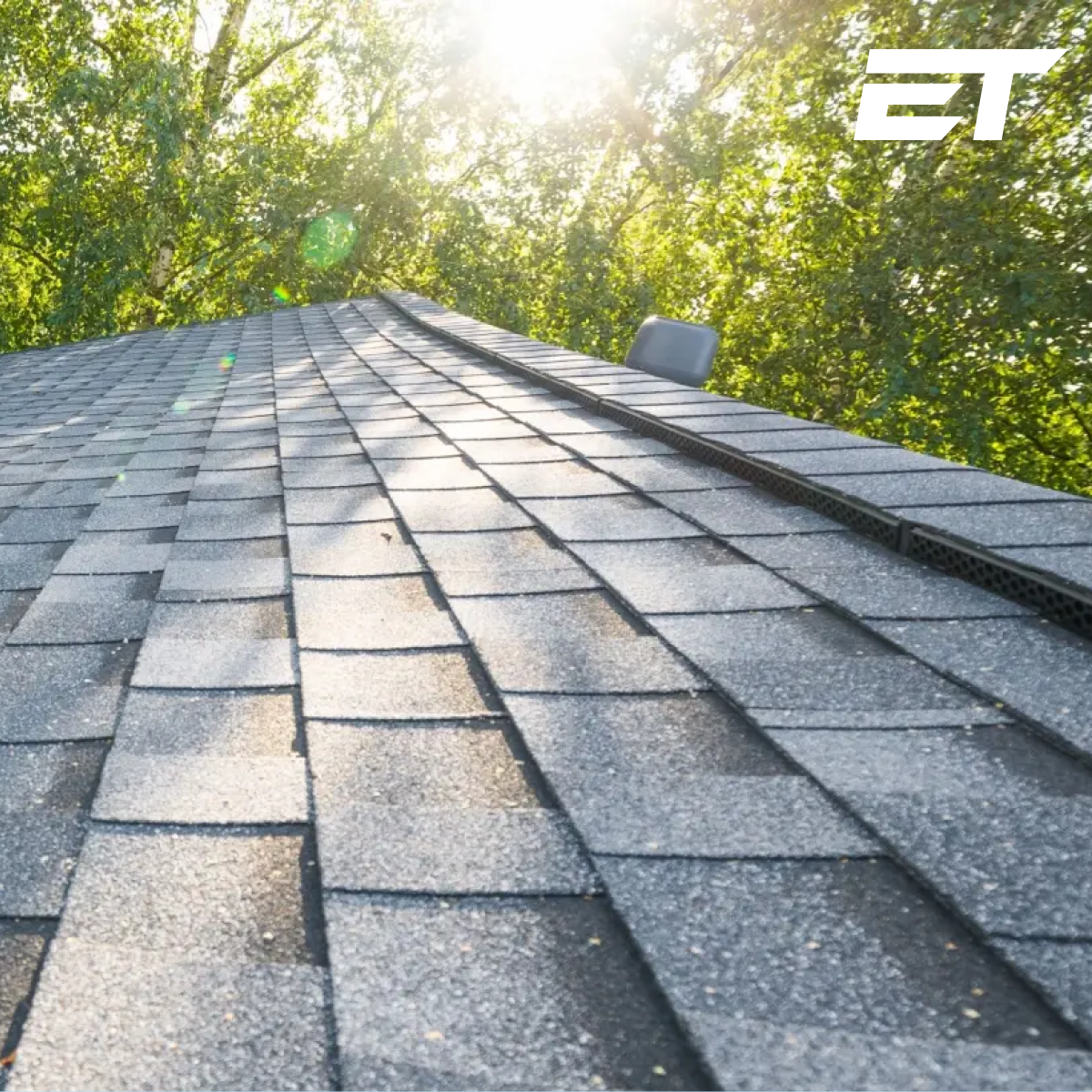
A properly designed ventilation system creates continuous airflow from the bottom of the attic to the top. Cooler air enters through soffit vents along the eaves, rises naturally as it warms, and exits through ridge vents at the peak of the roof. This passive convection cycle runs without electricity or mechanical parts — and when it's working correctly, it can reduce attic temperatures by 20 to 30 degrees on a hot summer day.
Common ventilation problems that undermine this system include:
- Insufficient soffit venting — blocking the intake side of the airflow cycle
- Blocked or inadequate ridge venting — trapping heat at the highest point of the attic
- Mismatched vent types — combining intake and exhaust vents incorrectly, which short-circuits airflow
- Insulation installed over soffit vents — a surprisingly common issue in older homes that completely eliminates intake airflow
If your attic runs hot, a professional ventilation assessment is the right first step. The fix is often more straightforward — and less expensive — than homeowners expect.
2. Add or Upgrade Attic Insulation
Ventilation moves heat out of the attic. Insulation keeps that heat from reaching your living spaces in the first place. Both are necessary — and both need to be doing their job for your home to stay comfortable in summer.
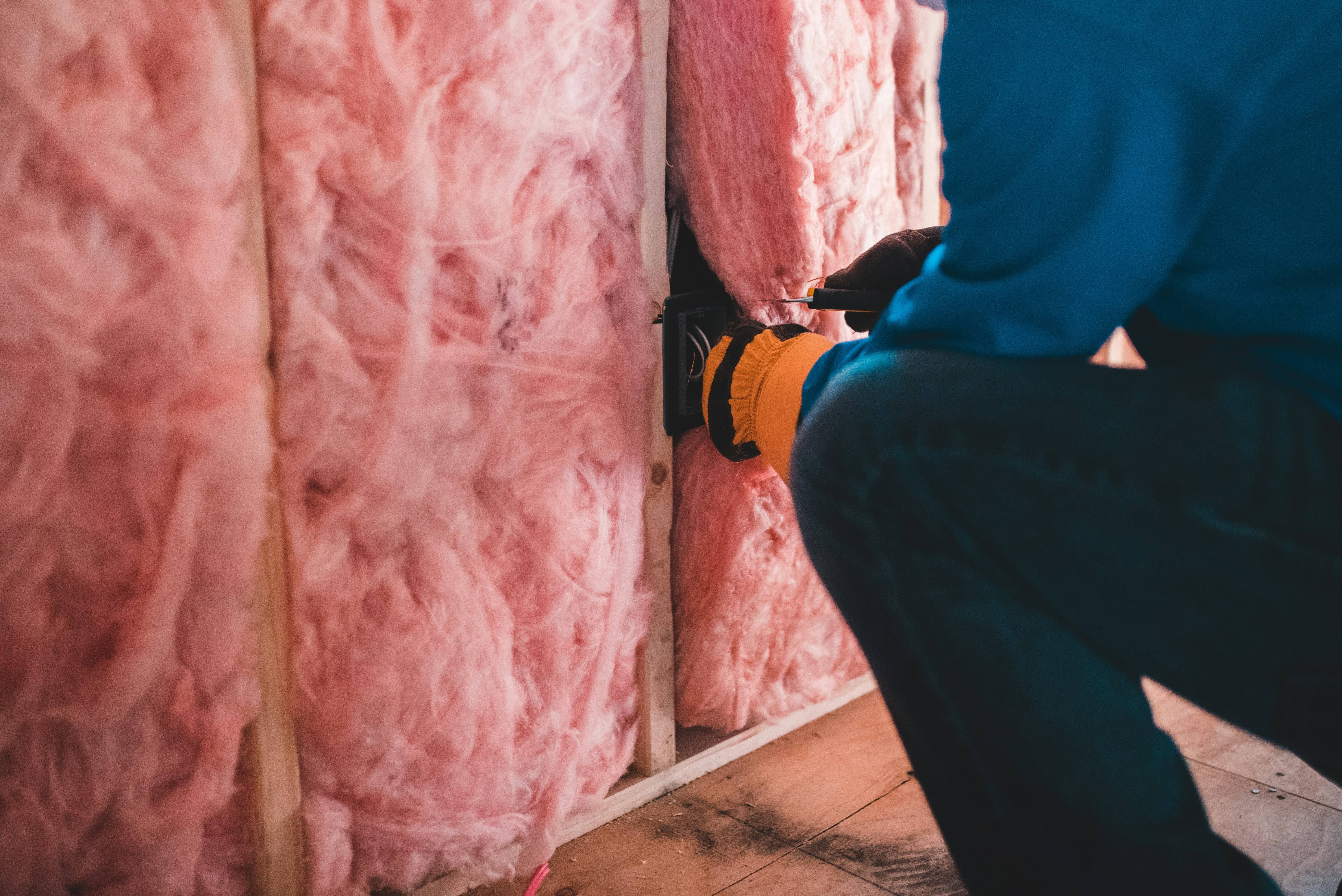
Insulation creates a thermal barrier between your attic and the conditioned space below. Without adequate insulation, the 140°F air in your attic on a hot July afternoon radiates downward into your top floor, your hallways, and eventually every room in the house. Your air conditioner runs constantly trying to compensate — and still can't quite get there.
The Department of Energy recommends attic insulation of R-38 to R-60 for Virginia's climate zone. Many older homes in Northern Virginia, Fredericksburg, and Richmond fall well below this threshold, particularly if insulation hasn't been updated in the past 15 to 20 years.
Options worth considering:
- Blown-in fiberglass or cellulose — the most accessible and cost-effective upgrade for most existing attics, filling gaps and topping off existing insulation to reach recommended R-values
- Spray foam — creates an airtight thermal and moisture barrier, particularly effective when applied at the roof deck or around penetrations where air infiltration is a problem
- Radiant barriers — reflective foil installed on the underside of roof rafters that blocks radiant heat transfer before it reaches the attic air, reducing attic temperatures by up to 30°F on sunny days
In many homes, the most cost-effective approach combines radiant barriers with blown-in insulation — targeting both the radiant and conductive paths that heat takes into your living spaces.
Not sure what your attic insulation situation actually looks like? Exterior Techs offers free inspections with no commitment. We'll assess your current setup and walk you through the options that make sense for your home. Request yours → or call (804) 848-TECH.
3. Choose Reflective or Cool Roofing Materials at Replacement Time
The color and composition of your shingles have a direct and measurable impact on how much solar energy your roof absorbs. Traditional dark asphalt shingles absorb up to 90% of the sun's energy — converting it to heat that transfers directly into your roof deck and attic. Reflective and cool roofing products are specifically engineered to reduce that absorption.
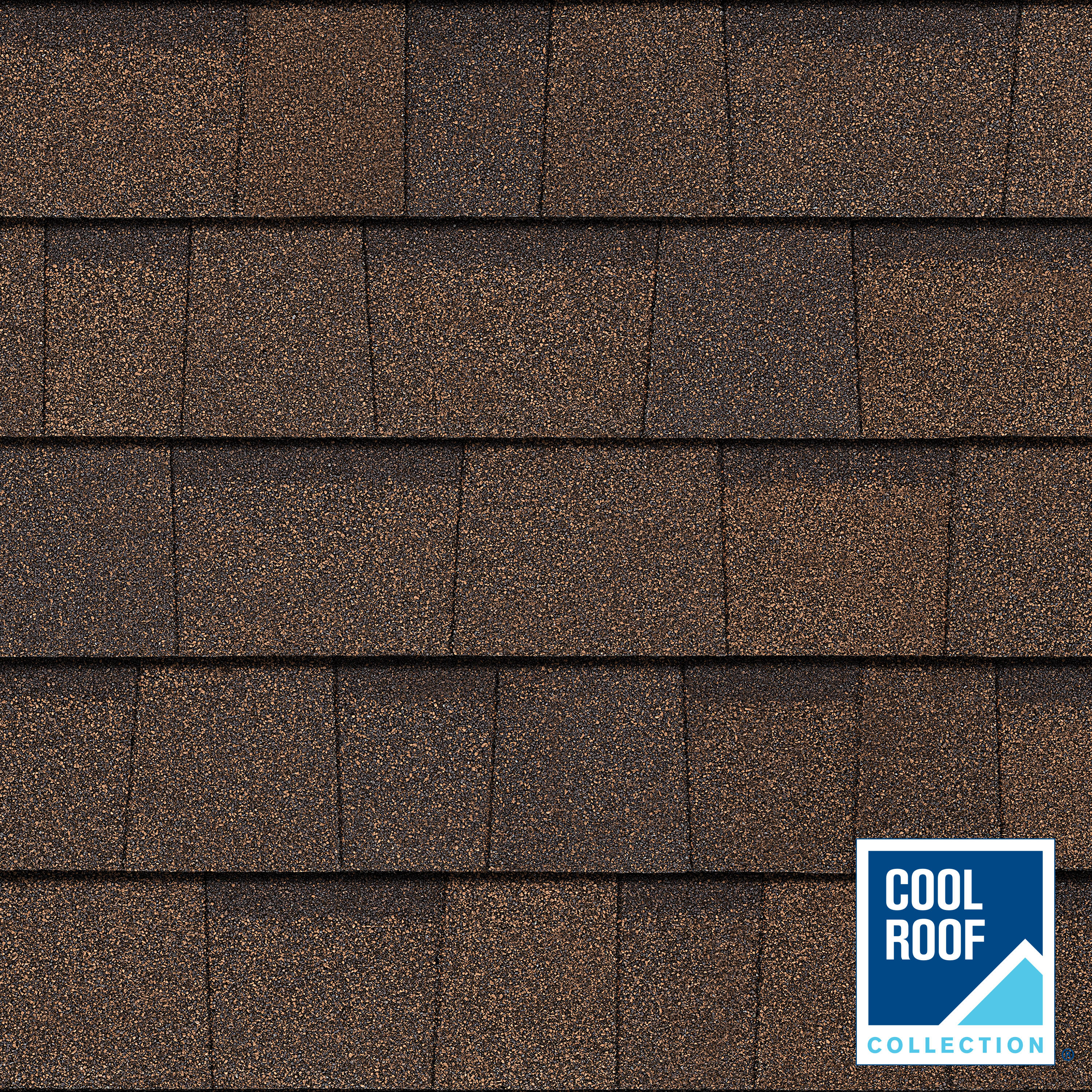
If you're approaching a roof replacement — or if your current roof is showing signs of heat-related deterioration — upgrading to a reflective product is one of the smartest investments you can make in your home's long-term comfort and energy performance.
Options available through Exterior Techs include:
Reflective Asphalt Shingles Products from GAF, CertainTeed, and Owens Corning all offer ENERGY STAR®-certified reflective shingle lines — including options in darker colorways for homeowners who don't want to sacrifice curb appeal. GAF's Timberline HDZ® Reflector Series and CertainTeed's Landmark® Solaris® line are two strong examples that deliver meaningful reflectance without the light-colored aesthetic that many homeowners want to avoid.
Metal Roofing Metal is one of the most thermally efficient roofing materials available, with high solar reflectance and rapid thermal emittance — it sheds absorbed heat back into the atmosphere quickly rather than transferring it into the structure below. Metal roofs can reduce cooling energy use by 10–25% compared to standard asphalt in hot climates and carry lifespans of 40–70 years.
BRAVA Composite Roofing BRAVA's composite cedar shake, slate, and Spanish tile profiles are available in CRRC-certified cool roof colorways that meet Title 24 reflectance requirements. For homeowners who want premium aesthetics with strong thermal performance, BRAVA's cool roof lines are an excellent option.
4. Address Air Sealing Throughout the Attic
Ventilation and insulation both work better when air isn't leaking freely between your attic and your living spaces. In most homes — particularly older construction — there are gaps, penetrations, and bypasses throughout the attic floor that allow conditioned air to escape upward and hot attic air to infiltrate downward.
Common air leakage points include:
- Around recessed light fixtures penetrating the ceiling
- At attic hatch openings
- Around plumbing stacks, electrical conduits, and HVAC ducts
- At the tops of interior walls where they meet the attic floor
Sealing these bypasses with spray foam or caulk — before adding insulation — closes the direct pathways that heat uses to move between your attic and your living spaces. Air sealing paired with insulation consistently outperforms insulation alone, and the combination is often the most cost-effective whole-home comfort improvement available.
5. Install Attic Fans Strategically
When passive ventilation isn't sufficient — particularly in homes with complex roof lines, limited ridge length, or unusually high attic volume — powered attic ventilation can bridge the gap.
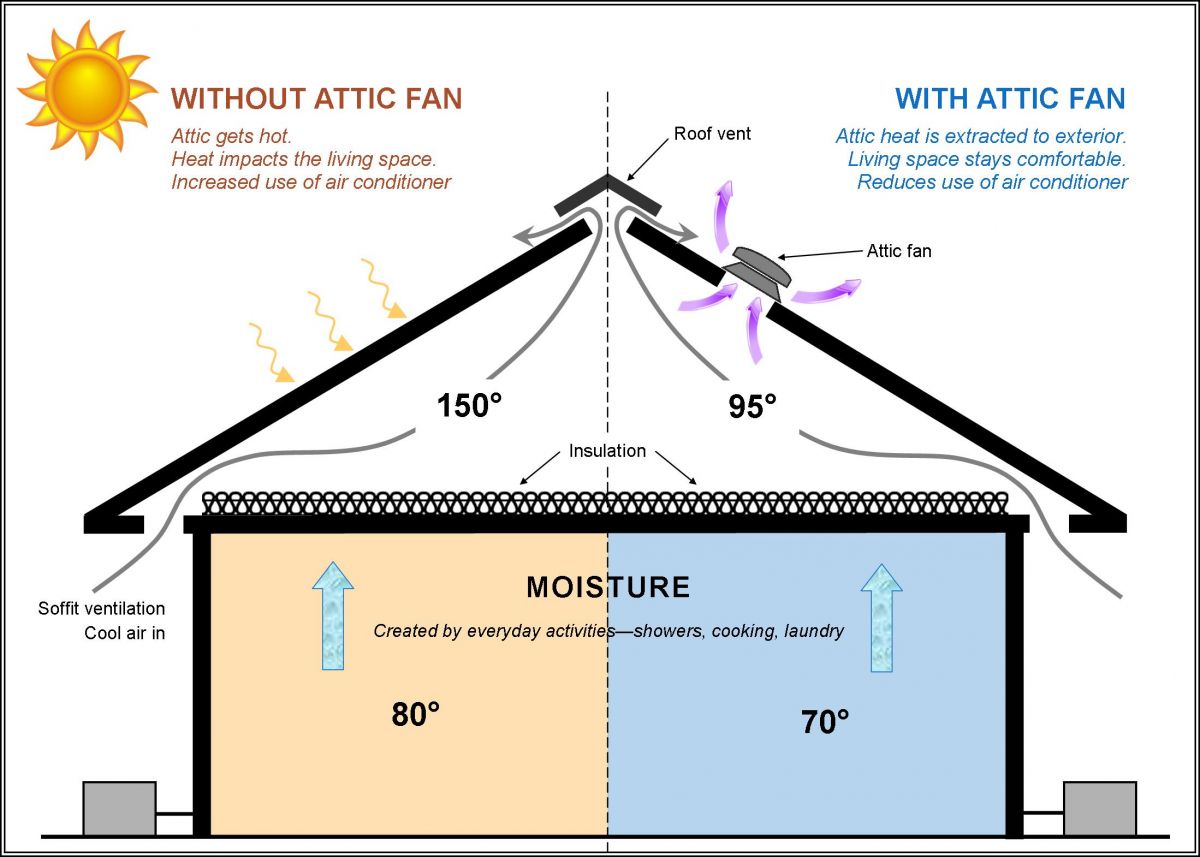
Solar-powered attic fans are a popular and energy-efficient option. They run on sunlight — meaning they work hardest precisely when the sun is creating the most heat — and require no electrical wiring or operating costs. Installed at the roof surface, they actively exhaust hot air from the attic, supplementing whatever passive ventilation exists.
Gable-mounted fans can also be effective in certain attic configurations, drawing hot air directly through gable vents on either end of the attic space.
A few important caveats: powered attic fans only work well when there's adequate intake ventilation — if your soffit vents are insufficient, a powered fan will pull conditioned air from your living space rather than outside air from the eaves, actually increasing your cooling costs. Proper sizing and placement matter, which is why professional assessment before installation is always worth the conversation.
The Right Combination Makes All the Difference
These five strategies aren't mutually exclusive — in most homes, the best results come from combining two or more of them. Upgraded ventilation paired with a radiant barrier and blown-in insulation, for example, addresses heat from three different angles simultaneously and produces results that no single upgrade could match alone.
The right combination for your home depends on your roof type, attic configuration, existing insulation, and budget — which is exactly the kind of assessment Exterior Techs is set up to provide, at no cost to you.
Let Exterior Techs Help You Beat the Heat
At Exterior Techs, we bring decades of combined roofing and exterior experience to homeowners across Northern Virginia, Fredericksburg, and Richmond. From reflective shingle upgrades to full ventilation system assessments, we help homeowners build roofing systems that perform through Virginia's toughest summers — and back every installation with our Lifetime Workmanship Guarantee.
Get A Free Quote!
~2 minute response times.

More Exterior Home Improvement Tips
Written with 20 years of hands on experience in Virginia.
Why Local Homeowners Trust Exterior Techs
From Richmond to NoVa we've got your neighbors protected.