
What Roofers Check On Your Roof
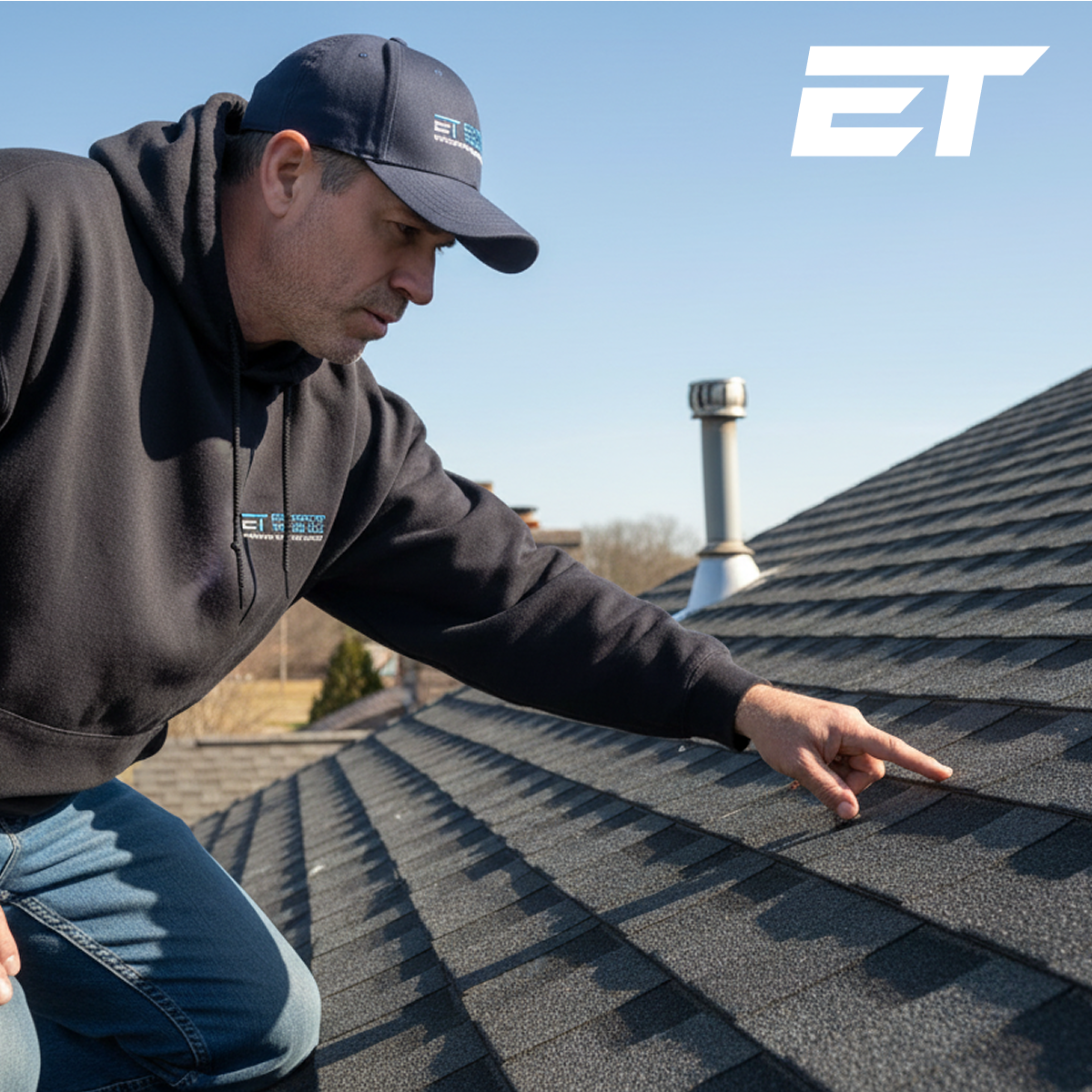
1. Potential Leak Spots
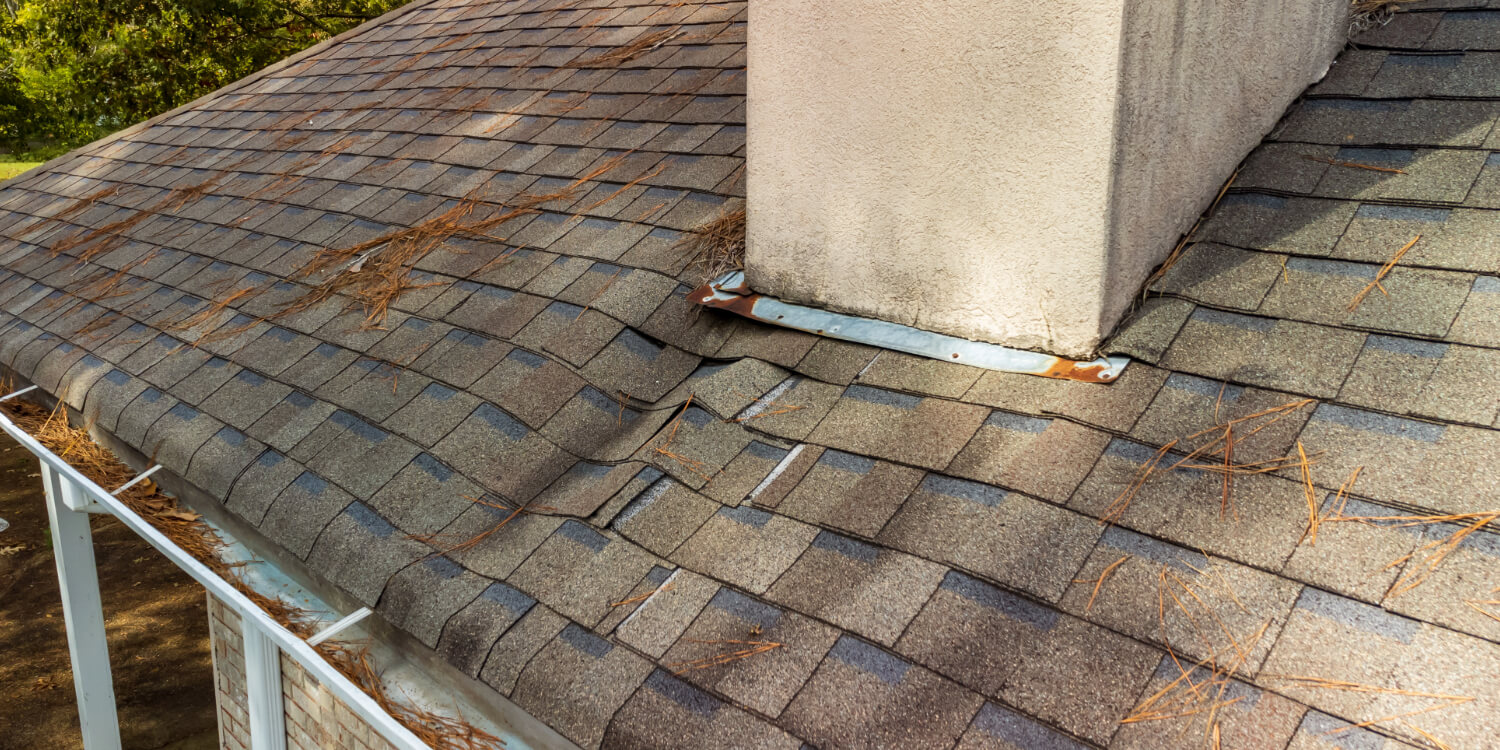
One of the biggest reasons homeowners schedule a roof inspection is roof leak detection. Leaks are tricky because the place where water enters your roof is not always the same place where it shows up inside your home. Water can travel along rafters, insulation, and ceiling materials before finally appearing as a stain, drip, or musty smell.
A roof inspector, like us, will carefully check common leak-prone areas, including:
- Around chimneys
- Skylights
- Roof valleys
- Vent pipes
- Flashing
- Gutters and drainage points
- Areas where roof planes meet
- Low-slope sections
- Previous repair areas
Flashing deserves special attention. These thin pieces of metal help direct water away from vulnerable roof joints and openings. If flashing is cracked, rusted, loose, or improperly installed, water can sneak in quickly.
The goal of roof leak detection is not just to find active leaks. It’s also to identify weak spots before they become water damage, mold concerns, or expensive interior repairs.
2. Damaged, Missing, or Aging Shingles
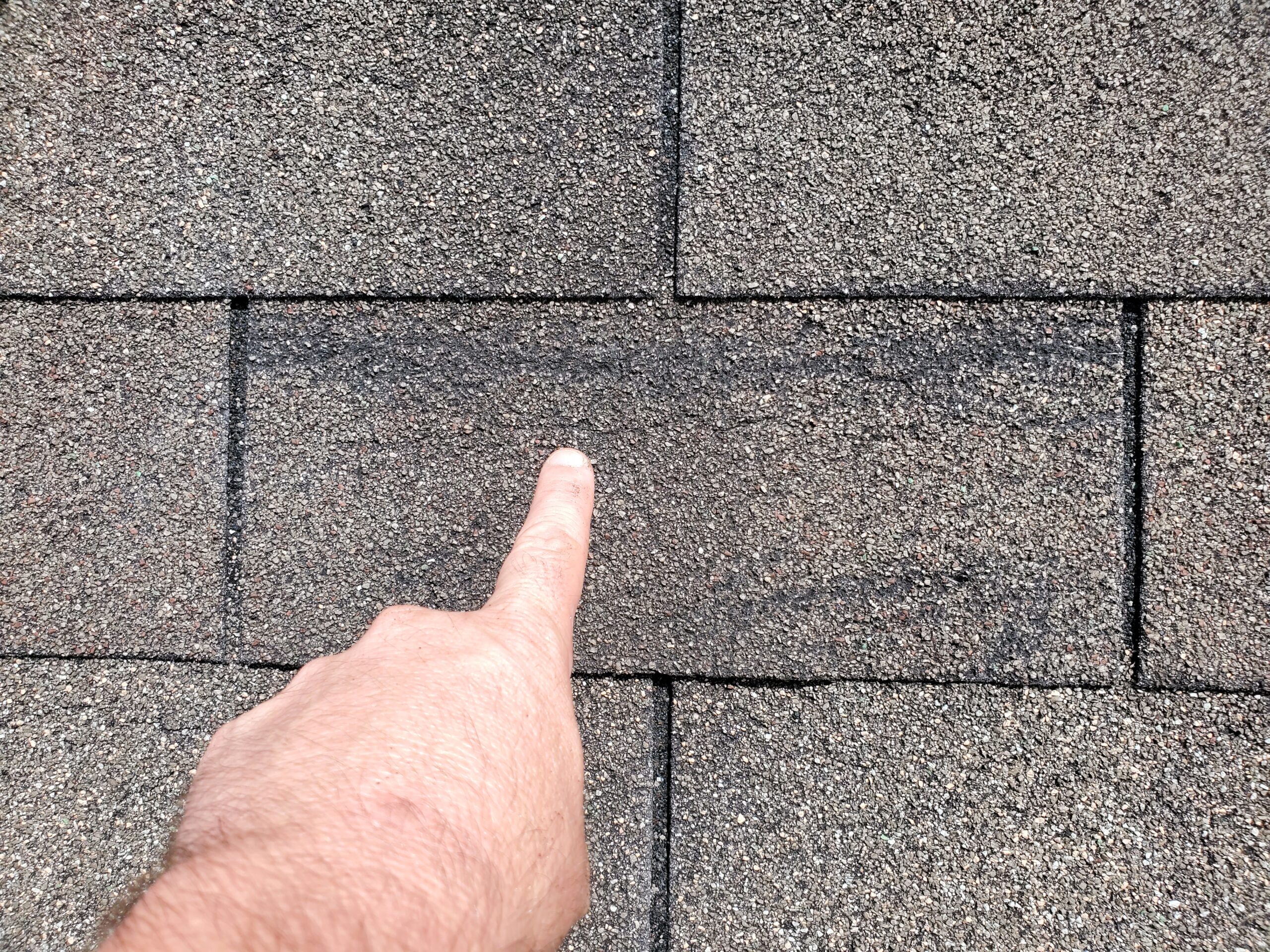
Shingles are your roof’s first line of defense, so inspectors spend plenty of time looking at their condition. Damaged shingles may seem like a small issue, but even one missing or cracked shingle can expose the layers underneath to moisture.
During a roof inspection, an inspector should look for:
- Missing shingles
- Cracked shingles
- Curling or cupping edges
- Bald spots where granules have worn away
- Lifted shingles
- Hail marks
- Wind damage
- Shingles that are loose or sliding
- Uneven color or texture changes
Granule loss is especially important. Asphalt shingles are coated with protective granules that help defend against UV rays and weather. When those granules start collecting in your gutters or washing out around downspouts, it may be a sign that the roof is aging.
A good certified or licensed roof inspector can help determine whether the damage is isolated or part of a bigger roofing issue.
3. General Wear and Tear
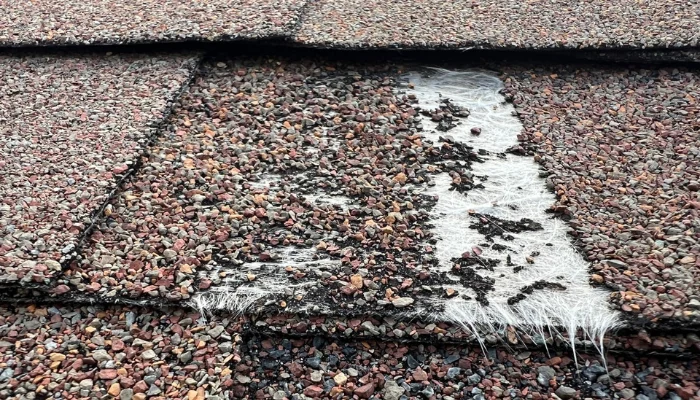
Every roof ages. Even a well-installed roof in Virginia has to handle humid summers, heavy rain, temperature swings, wind, falling leaves, and the occasional icy surprise. Wear and tear is normal, but it still needs to be monitored.
Inspectors look for signs that the roof is reaching the later stages of its service life, such as:
- Brittle shingles
- Sagging areas
- Dark streaks or algae growth
- Moss buildup
- Rusted metal components
- Exposed nail heads
- Worn sealant
- Deteriorated pipe boots
- Uneven roof surfaces
Not all wear and tear means your roof needs to be replaced immediately. Sometimes a small repair or maintenance visit can extend the life of the roof. Other times, widespread wear may suggest it’s time to start planning for replacement.
Either way, an inspection gives you the information you need without guessing.
4. Gutters, Drainage, and Water Flow
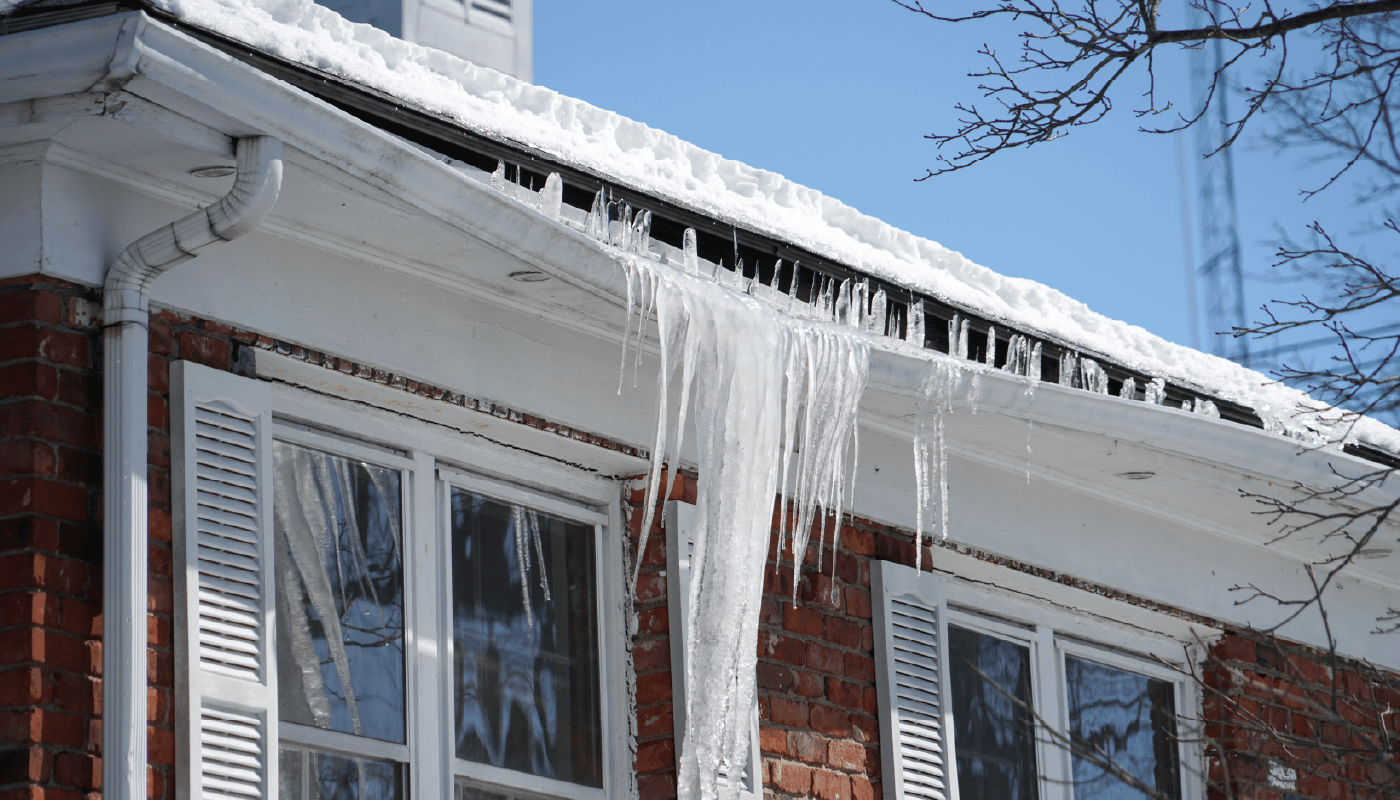
Your roof and gutters work as a team. If gutters are clogged, loose, or pulling away from the home, water may back up under shingles or spill over near the foundation. That can create roof damage, siding issues, basement moisture, and landscape erosion.
A roof inspector should check:
- Gutters are clogged with leaves or shingle granules
- Downspouts are draining properly
- Water is pooling in roof valleys
- Fascia boards show signs of rot
- Drip edges are installed and functioning
- Debris is trapping moisture on the roof
In a leafy Virginia neighborhood, this part of the inspection can be especially important. Trees are beautiful, but your roof may not appreciate the constant leaf blanket.
5. Flashing, Sealants, and Roof Penetrations
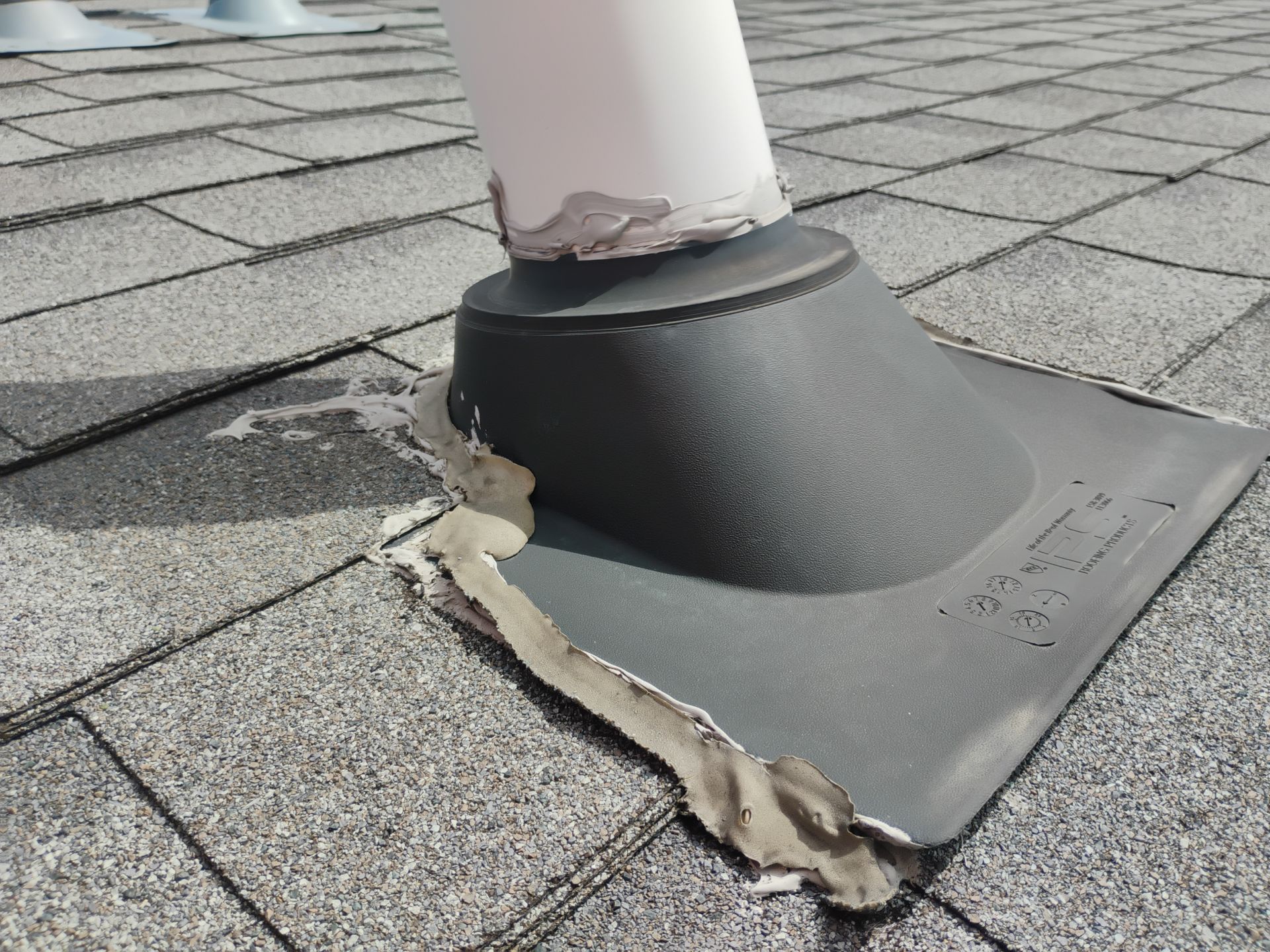
Anything that interrupts the surface of your roof creates a possible entry point for water. That includes vents, chimneys, skylights, satellite mounts, plumbing stacks, and exhaust pipes.
Inspectors look closely at these areas to make sure they are properly sealed and still in good condition. Over time, rubber boots can crack, sealants can dry out, and metal flashing can shift.
These are small details, but small details are exactly where roof problems like to hide.
6. Attic and Ventilation Clues
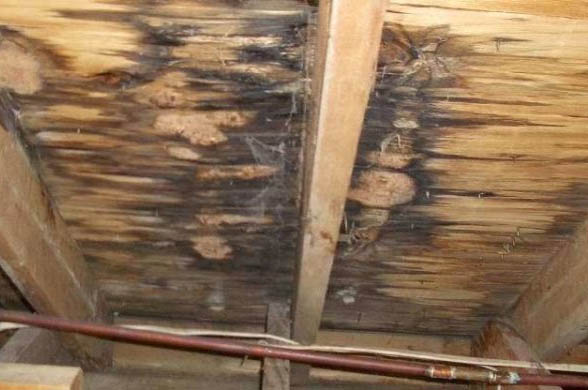
A thorough roof inspection may also include checking attic conditions, when accessible. The attic can reveal what the exterior roof surface does not.
Inside the attic, an inspector should look for:
- Water stains on decking or rafters
- Mold or mildew concerns
- Damp insulation
- Signs of poor ventilation
- Daylight showing through roof boards
- Rusted nails
- Heat buildup
Proper ventilation helps regulate temperature and moisture. Without it, your roof can age faster, your energy bills can rise, and moisture can become a problem inside the home.
When Should You Schedule a Roof Inspection?
You do not have to wait for water to drip into your living room to schedule an inspection. In fact, please don’t. Your ceiling would prefer not to be involved.
Consider scheduling a roof inspection:
- After a major storm
- If you notice missing shingles
- If you see water stains indoors
- If your roof is more than 10 years old
- After large branches fall near or on the roof
- Before installing solar panels
Annual inspections for older roofs can help you stay ahead of problems and protect your home investment and a roof inspection is one of the simplest ways to protect your home.
For homeowners in Virginia, Exterior Techs offers the local knowledge and roofing experience needed to inspect your roof with care, accuracy, and common sense. So book a free inspection today!
Get A Free Quote!
~2 minute response times.

More Exterior Home Improvement Tips
Written with 20 years of hands on experience in Virginia.
Why Local Homeowners Trust Exterior Techs
From Richmond to NoVa we've got your neighbors protected.