
How to Keep Your Attic Cool
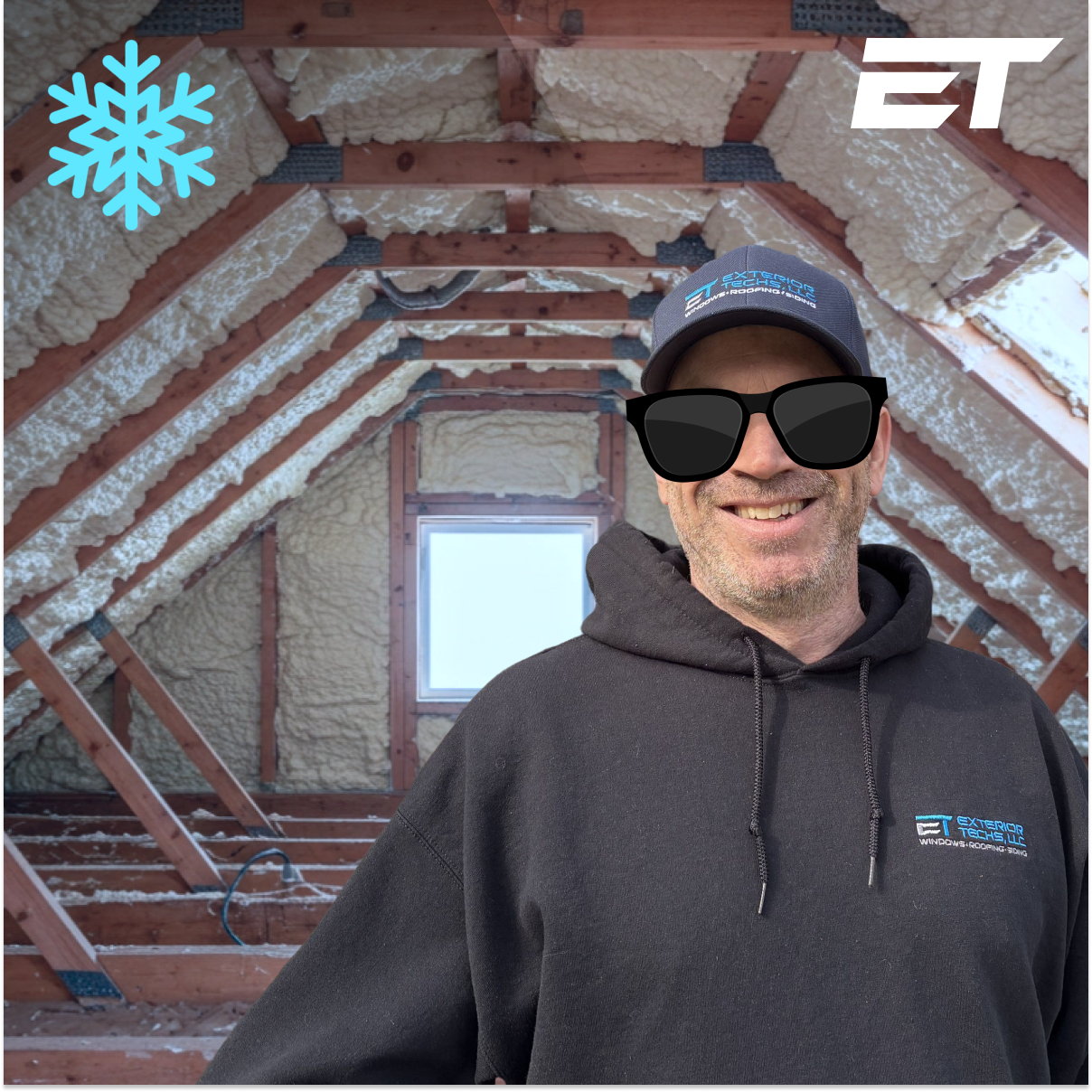
How Professional Exterior Systems Cool Your Home
In the midst of a Virginia summer, your attic can become the most hostile environment in your home. It isn't uncommon for attic temperatures to climb 40 to 50 degrees higher than the outside air.
While many homeowners view a hot attic as a simple discomfort, it is actually a significant threat to the structural integrity of your home. Understanding how to manage this heat through a professional, whole-home approach is the key to protecting your investment and ensuring long-term energy efficiency.
Understanding the "Oven Effect"
Heat enters your attic primarily through radiant energy from the sun hitting your roof. Without a proper system to manage this energy, your attic acts like an oven, storing heat and radiating it downward into your living spaces.
This process doesn't just make your air conditioner work harder; it causes "thermal shock" to your roofing materials. Over time, excessive heat can cause shingles to become brittle, curl, and lose their protective granules, leading to a premature need for a full roof replacement.
The Three Pillars of Attic Temperature Control
Keeping an attic cool requires a balanced system. If one part of the system is failing, the others cannot compensate.
1. Advanced Ventilation (The Inhale and Exhale)
A cool attic relies on the physics of passive ventilation. For the system to work, it needs two components:
- Intake Vents: Usually located at the lowest point of the roof (the soffits), these allow cool, fresh air to enter.
- Exhaust Vents: Located at the highest point (the ridge), these allow hot air to escape naturally as it rises.
A professional installation ensures these vents are balanced. If there is too much exhaust and not enough intake, the system can actually pull conditioned air out of your living space, driving up your utility bills.
2. High-Performance Roofing Materials
The materials you choose for a full roof replacement play a massive role in heat absorption. Modern, high-quality shingles from manufacturers like GAF or CertainTeed are designed with advanced granules that reflect a higher percentage of solar radiation. Utilizing a synthetic underlayment rather than traditional felt also provides a more effective secondary barrier against heat and moisture.
3. Thermal Insulation Barriers
While ventilation moves heat out, insulation prevents the remaining heat from transferring into your home. Think of insulation as a thermal "brake." In Virginia's climate, having the correct R-value (a measure of thermal resistance) is essential for keeping the heat in the attic where the ventilation system can handle it, rather than letting it seep through your ceilings.
The Whole-Home Connection: Siding and Windows
A home is a sealed envelope. While the attic is the primary collector of heat, your siding and windows act as the supporting cast.
If your home has aging, single-pane windows or thin, non-insulated siding, the "ambient" temperature of your home rises. This makes the job of your attic ventilation system much harder. Upgrading to energy-efficient windows—such as those from ProVia or Wincore—and modern siding helps maintain a stable internal temperature, reducing the overall thermal load on the entire structure.
Why Quality Installation is Non-Negotiable
Properly cooling an attic isn't a "plug-and-play" fix. It requires an understanding of local building codes and manufacturer specifications. For example, installing a ridge vent without ensuring the soffit vents are clear is a common mistake that can lead to moisture buildup and wood rot.
A professional exterior replacement focuses on the following:
- Code Compliance: Ensuring the attic has the exact square footage of ventilation required for its size.
- System Integrity: Using matching components that are designed to work together.
- Craftsmanship: Ensuring every seal and vent is watertight and positioned for maximum airflow.
Investing in Long-Term Protection
Managing attic heat is about more than just a lower electric bill this month. It is about extending the life of your roof by a decade or more and protecting the wood framing of your home from heat-related warping and moisture damage.
When you approach your home's exterior as a high-performance system rather than a series of individual parts, you ensure that your home remains a comfortable, durable sanctuary for years to come.
Looking to improve your home's efficiency? At Exterior Techs, we specialize in full-scale exterior replacements that prioritize craftsmanship and long-term value. With over 20 years of experience in the Virginia market, we help homeowners make smart investments in their home's protection.
Get A Free Quote!
~2 minute response times.

More Exterior Home Improvement Tips
Written with 20 years of hands on experience in Virginia.

Why Local Homeowners Trust Exterior Techs
From Richmond to NoVa we've got your neighbors protected.